Delicious Homemade Chow Mein Recipe You’ll Love to Make
Chow mein nights happen at my house when the day gets away from me and takeout feels too slow. I want something fast, cozy, and way tastier than a soggy box. If you’ve ever had a pile of limp noodles or a sauce that tastes flat, I’ve been there and fixed that. This version cooks quick, packs big flavor, and leaves the pan with those tasty little caramelized bits we all love. It’s also super flexible, so you can use whatever veggies and protein you have on hand. My family calls it the midweek miracle, and you’ll see why.
What is Chow Mein?
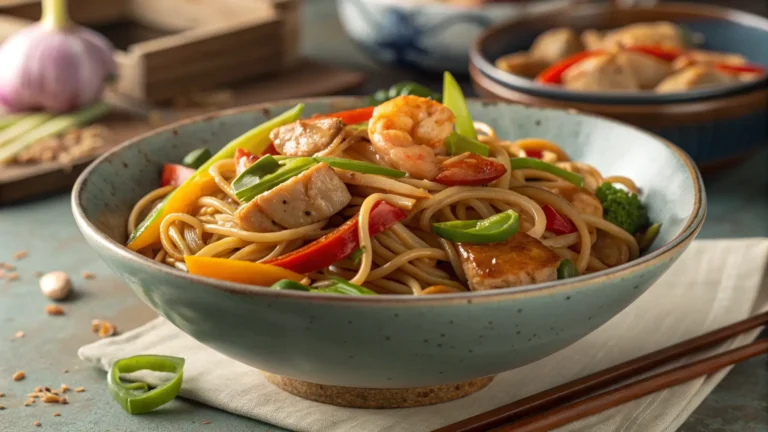
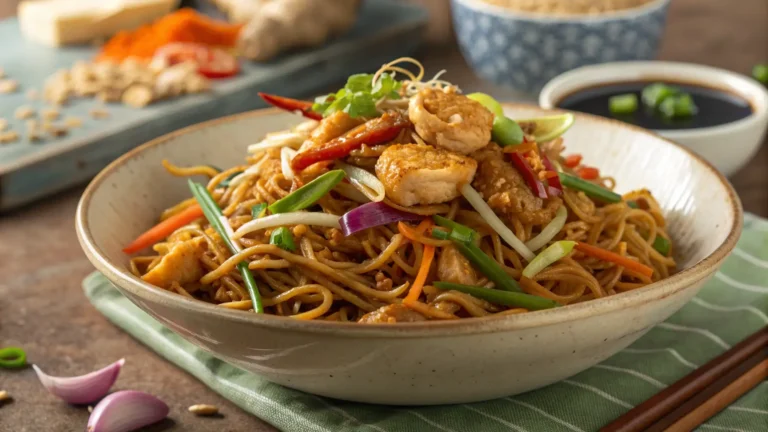
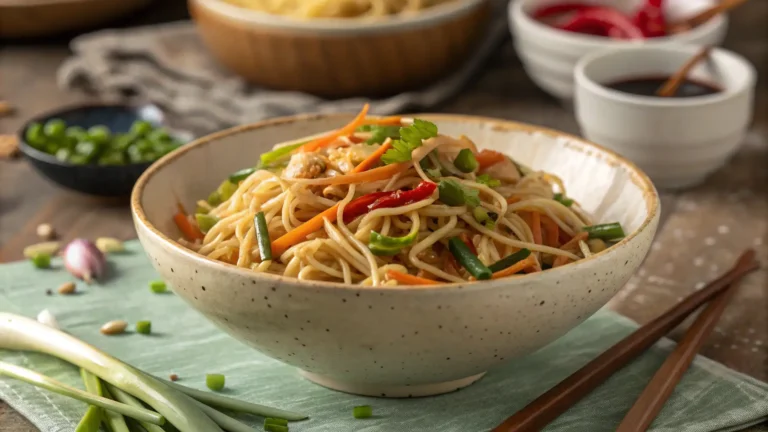
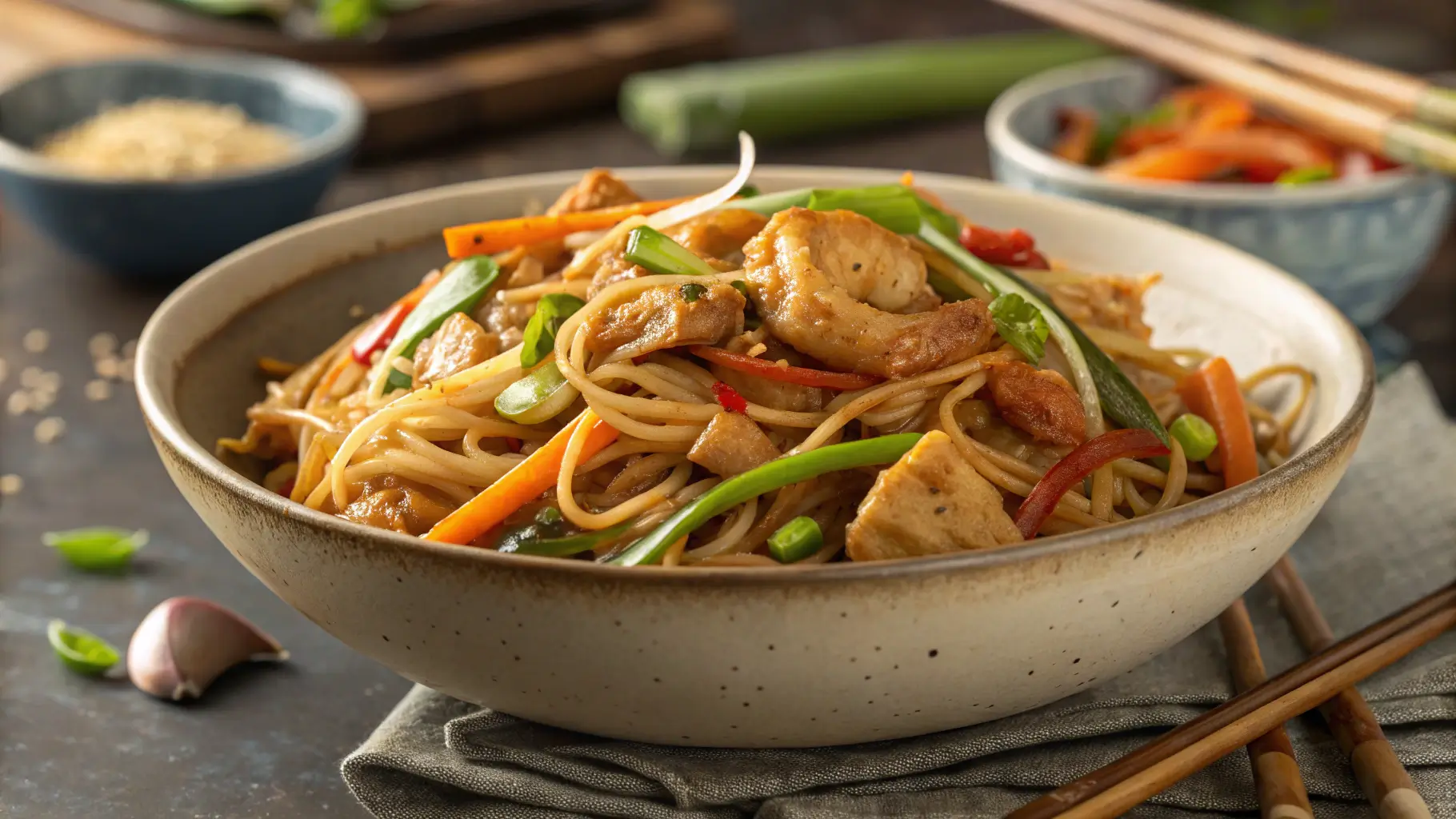
At its heart, chow mein is a quick stir fried noodle dish with crisp-tender vegetables, a savory sauce, and your choice of protein. The name basically means fried noodles, which explains the magic: hot pan, a touch of oil, and noodles that get a little toasty at the edges. You’ll see different regional takes all over the world. Some focus on a deeper char, some on a softer finish, and many families mix it up based on what’s in the fridge.
I keep my chow mein light, balanced, and a little glossy. The sauce is simple: soy for salt, a hint of sweetness, a nudge of acid, and sesame for aroma. When that clings to springy noodles, dinner just sings. This is the version I make on autopilot, and it’s the same approach I teach friends who say their noodles always turn out mushy. If you’re hunting for a go-to, the Delicious Homemade Chow Mein Recipe You’ll Love to Make is a great foundation that you can tweak any night of the week.
Quick tip for success: get everything chopped before you heat the pan. Chow mein cooks fast, and having your veggies, noodles, and sauce ready is the difference between calm and chaos.
“I used to think chow mein needed a restaurant kitchen. Then I tried this method. The noodles were bouncy, veggies still crisp, and my picky teen asked for seconds.”
What noodles to use for Chow Mein
Fresh vs dried noodles
Fresh chow mein noodles are my first choice. They’re usually in the refrigerated section near tofu or dumpling wrappers. They cook in seconds, hold their shape, and give you that bouncy bite. If fresh isn’t available, use thin dried egg noodles or even thin spaghetti in a pinch. Just don’t overcook them. You want them a little firmer than you think because they’ll finish in the pan.
If you’re using dried noodles, boil until just shy of tender, then drain. Rinse briefly with cool water to stop the cooking. Toss with a teaspoon of oil so they don’t clump. That tiny step keeps them loose and ready to sear.
Tips to keep noodles springy
Use a big pan or wok and heat it until it’s almost smoking. High heat helps the noodles sear rather than steam. Add oil, then the noodles, and let them sit for 20 to 30 seconds before tossing so they pick up some color. Don’t crowd the pan. If your pan is small, cook the noodles in two batches and reunite them with the veggies and sauce at the end.
Salt your water like you do for pasta. It adds flavor from the inside out. And if your noodles get sticky, a splash of water in the hot pan and a quick toss will loosen them right up.
These little habits turn a good pan of chow mein into a great one. They also make the Delicious Homemade Chow Mein Recipe You’ll Love to Make repeatable, which is what you want for fast weeknight cooking.
What goes in Chow Mein
Think of this as a flexible formula rather than a strict rulebook. You’ll want a noodle, a protein, some colorful veggies, and a simple sauce. Here’s a starter list that never fails.
- Noodles: Fresh chow mein noodles or thin dried egg noodles. Par-cook and oil lightly.
- Protein: Thinly sliced chicken thigh, shrimp, pork, beef, or extra firm tofu. Keep pieces small for quick cooking.
- Veggies: Cabbage, carrots, bell pepper, green onion, bean sprouts, snap peas. Go for a mix of textures and colors.
- Base aromatics: 2 cloves garlic, 1 teaspoon grated ginger. Simple and fragrant.
- Sauce essentials: 3 tablespoons soy sauce, 1 tablespoon oyster sauce, 1 teaspoon sugar or honey, 1 teaspoon rice vinegar, 1 teaspoon sesame oil, 2 to 3 tablespoons water.
- Optional boosters: A pinch of white pepper, a dab of chili crisp, or a squeeze of sriracha for gentle heat.
Quick 10 minute method
Prep first. Slice protein thin, chop veggies, and whisk your sauce in a small bowl. Put everything near the stove because this goes fast.
Heat a large skillet or wok over high heat. Add a tablespoon of neutral oil. Sear the protein with a pinch of salt until just cooked through. Remove to a plate.
Add another teaspoon of oil. Stir in garlic and ginger for 10 seconds, then add veggies starting with the ones that take longest. Cabbage and carrots go first, sprouts and green onions later so they stay crisp.
Push veggies to the sides. Add a touch more oil and tumble in the noodles. Let them sit to sear for a half minute, then toss everything together. Pour in the sauce and the cooked protein. Stir until the noodles look glossy and the sauce is clinging. Taste and adjust with a splash of soy or a pinch of sugar.
Finish with a drizzle of sesame oil and a sprinkle of sliced green onions. That’s it. Plate it hot and enjoy the bouncy noodles, tender veg, and savory sauce. It’s the kind of pan that disappears fast, which is why I keep the Delicious Homemade Chow Mein Recipe You’ll Love to Make taped inside a cabinet for instant reference.
Difference between Lo Mein and Chow Mein
This question pops up all the time, and the answer helps you cook better noodles. Both dishes use similar noodles and a savory sauce, but the technique sets them apart. Chow mein means the noodles spend time in the pan getting fried. They pick up a little chew and a lightly crisp edge. Lo mein noodles are typically boiled, then tossed with sauce and ingredients with minimal pan time. They’re saucier and softer.
If you crave a slight crisp and smokier flavor, go chow mein. If you want silky noodles and more sauce, go lo mein. Neither is wrong. It just depends on your mood and the texture you want that day.
Recipe Variations
Once you nail the basics, you can spin chow mein in a dozen directions. Use the same core method and swap the mix-ins. Here are some favorites that never miss.
- Chicken and cabbage classic: Use thigh meat, green cabbage, and a touch of white pepper for that restaurant vibe.
- Shrimp and garlic: Quick cooking shrimp, extra garlic, and a squeeze of lemon at the end for brightness.
- Beef and broccoli: Thin flank steak, blanched broccoli florets, and a teaspoon of hoisin added to the sauce.
- Tofu veggie feast: Crisp tofu cubes, bell pepper, snap peas, and a light drizzle of chili oil.
- Spicy sesame: Add 1 tablespoon of chili crisp and a spoon of toasted sesame seeds for warmth and crunch.
- Gluten conscious: Use tamari instead of soy sauce and rice noodles if needed. Keep sauce ratios the same, then adjust to taste.
Pro tip: marinate meat in 1 teaspoon soy sauce, 1 teaspoon cornstarch, and a splash of oil for 10 minutes before cooking. It keeps protein tender and helps it brown nicely.
And yes, you can double the sauce if you like things a little juicier. Just taste as you go. The best pan of noodles is the one that lines up with your preferences and the ingredients you have right now. This flexibility is exactly why the Delicious Homemade Chow Mein Recipe You’ll Love to Make fits into so many kitchens with ease.
Common Questions
How do I keep noodles from sticking? Rinse cooked noodles briefly, toss with a little oil, and use a hot pan. If they clump, add a splash of water and toss.
Can I make it ahead? You can prep sauce, chop veggies, and slice protein in advance. Cook everything right before eating for the best texture.
What oil should I use? Neutral oils like canola, avocado, or peanut handle high heat well. Add sesame oil at the end for flavor.
How do I avoid soggy vegetables? Cut veggies evenly, cook them hot and fast, and add delicate ones last so they stay crisp.
Is oyster sauce required? Not required, but it adds depth. If you skip it, bump up soy slightly and add a touch more sugar for balance.
A happy plate every time
You’ve got the method, the noodle tips, and plenty of mix-ins to play with. Keep your pan hot, your sauce simple, and your noodles springy. If you want a little backstory on the dish itself, this overview of Chow mein is a fun read while the water boils. Now grab your favorite pan and make the Delicious Homemade Chow Mein Recipe You’ll Love to Make. I’m betting it’ll slide into your weeknight rotation after the very first bite.
Chow Mein
A quick stir-fried noodle dish with crisp-tender vegetables, savory sauce, and your choice of protein, perfect for weeknight dinners.
Noodles and Base Ingredients
- 8 oz Fresh chow mein noodles or thin dried egg noodles (Par-cook and lightly oil to prevent clumping.)
- 1 tablespoon Neutral oil (For searing the protein.)
- 2 cloves Garlic, minced (For flavor.)
- 1 teaspoon Grated ginger (For flavor.)
Protein
- 1 lb Thinly sliced chicken thigh, shrimp, pork, beef, or firm tofu (Choose your protein.)
Vegetables
- 2 cups Mixed colorful vegetables (cabbage, carrots, bell pepper, green onion, bean sprouts, snap peas) (Use a mix of textures.)
Sauce
- 3 tablespoons Soy sauce (For saltiness.)
- 1 tablespoon Oyster sauce (Adds depth (optional).)
- 1 teaspoon Sugar or honey (For sweetness.)
- 1 teaspoon Rice vinegar (For acidity.)
- 1 teaspoon Sesame oil (For aroma.)
- 2-3 tablespoons Water (Adjust sauce consistency.)
Optional Seasonings
- 1 pinch White pepper (For extra heat.)
- 1 dab Chili crisp (For added spice.)
- 1 squeeze Sriracha (Optional for more heat.)
Preparation
- Slice protein thin, chop vegetables, and whisk sauce in a small bowl.
- Keep everything near the stove for fast cooking.
Cooking
- Heat a large skillet or wok over high heat and add a tablespoon of neutral oil.
- Sear the protein with a pinch of salt until just cooked through, then remove to a plate.
- Add another teaspoon of oil, stir in garlic and ginger for 10 seconds, then add vegetables starting with those that take the longest to cook.
- Push veggies to the sides, add more oil, and tumble in the noodles. Let sit to sear for 30 seconds, then toss everything together.
- Pour in the sauce and cooked protein, stir until glossy and well mixed. Adjust flavor with soy or sugar as needed.
Finishing
- Finish with a drizzle of sesame oil and a sprinkle of sliced green onions.
- Plate hot and enjoy your delicious chow mein!
Keep your pan hot, use a big pan to avoid steaming the noodles. For leftovers, store the protein and vegetables separately to maintain texture.