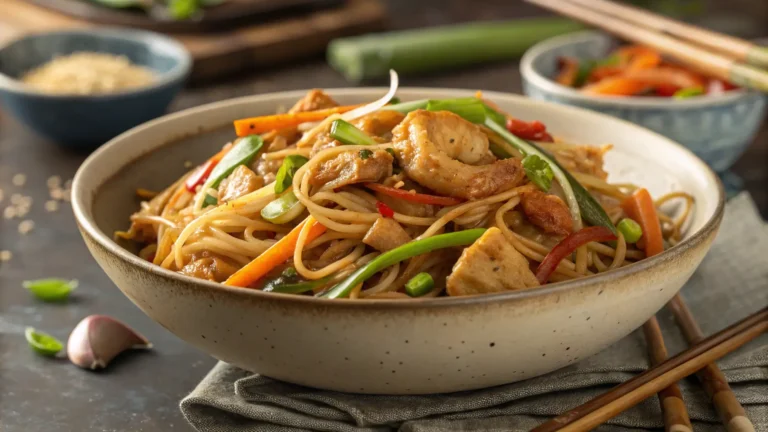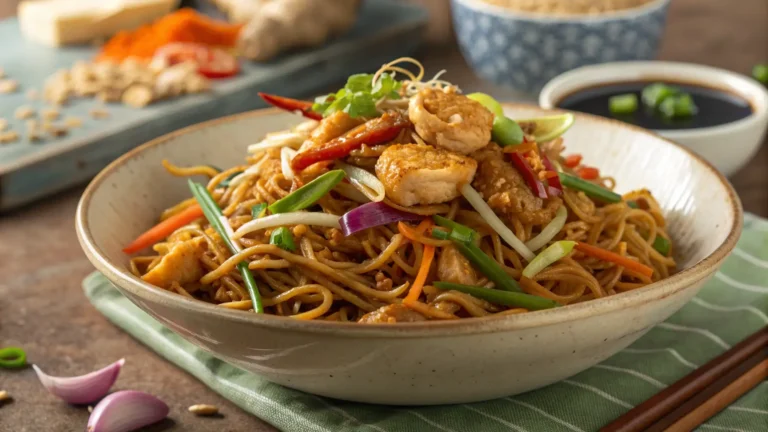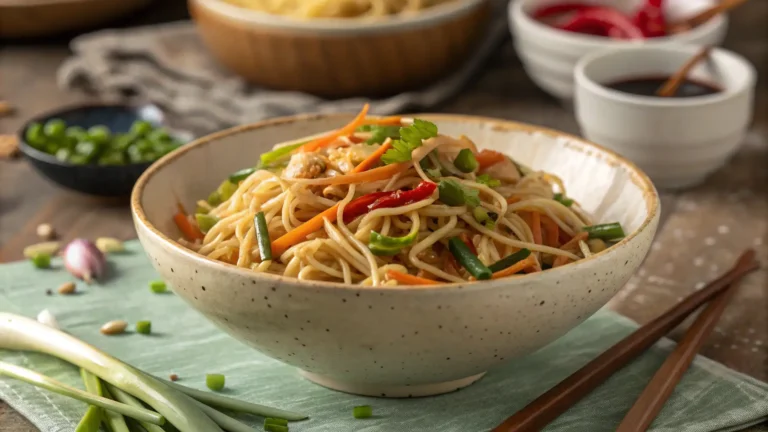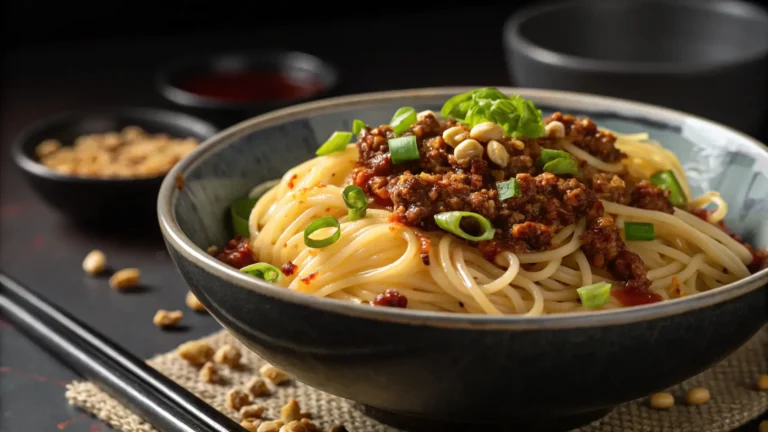
Easy Chinese Noodles Recipe – Quick, Flavorful & Restaurant-Style at Home
Craving takeout but want something homemade and healthier? This Chinese noodles recipe delivers authentic restaurant flavor in just 20 minutes! With tender noodles tossed in a savory-sweet sauce packed with garlic, ginger, and soy, this dish is everything you love about Chinese cuisine. Whether you’re making it for a quick weeknight dinner or meal prep, this homemade Chinese noodles recipe is versatile, customizable, and incredibly satisfying. The best part? You probably have most of the ingredients in your pantry already.
Chinese noodles are a staple in Asian cooking, loved for their chewy texture and ability to soak up bold, umami-rich sauces. This recipe captures that perfect balance of salty, sweet, and savory with just the right amount of heat. Serve it as a main dish or a side, and prepare to impress your family with minimal effort and maximum flavor.
Why You’ll Love This Chinese Noodles Recipe
- Ready in 20 minutes – Faster than delivery and just as delicious
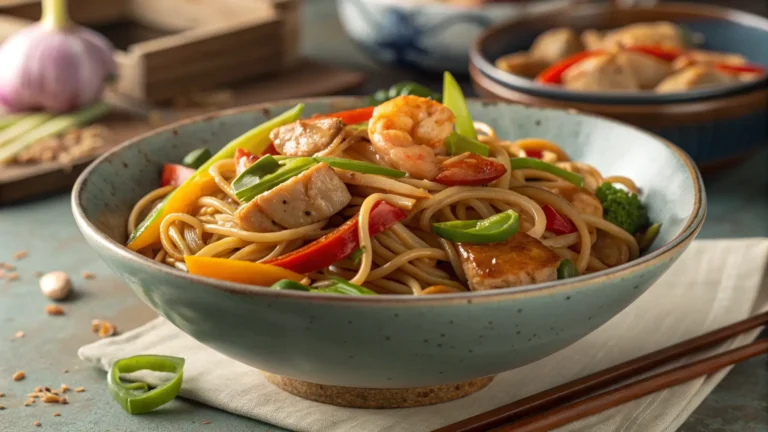
- Incredibly versatile – Add your favorite protein (chicken, shrimp, tofu) or keep it vegetarian
- Pantry-friendly ingredients – No specialty store trips required
- Better than takeout – Control the sodium, sweetness, and spice level to suit your taste
- Perfect for meal prep – Makes great leftovers and reheats beautifully
Ingredients
For the Noodles:
- 8 oz (225g) Chinese egg noodles, lo mein noodles, or dried spaghetti
- 1 tablespoon vegetable oil or sesame oil
- 3 cloves garlic, minced
- 1 tablespoon fresh ginger, grated
- 2 cups mixed vegetables (bell peppers, carrots, snap peas, cabbage)
- 2 green onions, sliced (white and green parts separated)
- Optional: 8 oz protein of choice (sliced chicken, shrimp, beef, or tofu)
For the Sauce:
- 3 tablespoons soy sauce (or tamari for gluten-free)
- 1 tablespoon oyster sauce (or hoisin sauce for vegetarian)
- 1 tablespoon dark soy sauce (adds color and depth)
- 1 tablespoon rice vinegar or Chinese black vinegar
- 1 tablespoon brown sugar or honey
- 1 teaspoon sesame oil
- ½ teaspoon chili oil or red pepper flakes (optional, for heat)
- 2 tablespoons water or chicken broth
Garnish:
- Sesame seeds
- Extra green onions
- Fresh cilantro (optional)
How to Make Chinese Noodles
Step 1: Prepare the Sauce In a small bowl, whisk together soy sauce, oyster sauce, dark soy sauce, rice vinegar, brown sugar, sesame oil, chili oil (if using), and water. Set aside. This savory sauce is the heart of your Chinese noodles recipe, so taste and adjust sweetness or saltiness to your preference.
Step 2: Cook the Noodles Bring a large pot of water to a boil. Cook the noodles according to package directions until just al dente (usually 3-5 minutes for fresh noodles, 8-10 for dried). Drain and rinse briefly under cold water to stop cooking. Toss with a small drizzle of oil to prevent sticking. Set aside.
Step 3: Prep Your Ingredients While the noodles cook, slice your vegetables into thin, uniform pieces so they cook evenly. If using protein, cut into bite-sized pieces and season lightly with salt and pepper.
Step 4: Stir-Fry the Protein (Optional) Heat 1 tablespoon of oil in a large wok or skillet over high heat. Add your protein and stir-fry for 3-5 minutes until cooked through. Remove from the wok and set aside.
Step 5: Stir-Fry the Aromatics and Vegetables In the same wok, add another drizzle of oil if needed. Add minced garlic, ginger, and the white parts of the green onions. Stir-fry for 30 seconds until fragrant (don’t let the garlic burn). Add your mixed vegetables and stir-fry for 2-3 minutes until crisp-tender.
Step 6: Combine Everything Add the cooked noodles back to the wok along with the cooked protein (if using). Pour the prepared sauce over everything and toss vigorously for 1-2 minutes, ensuring the noodles are evenly coated and heated through. The sauce should cling to the noodles beautifully.
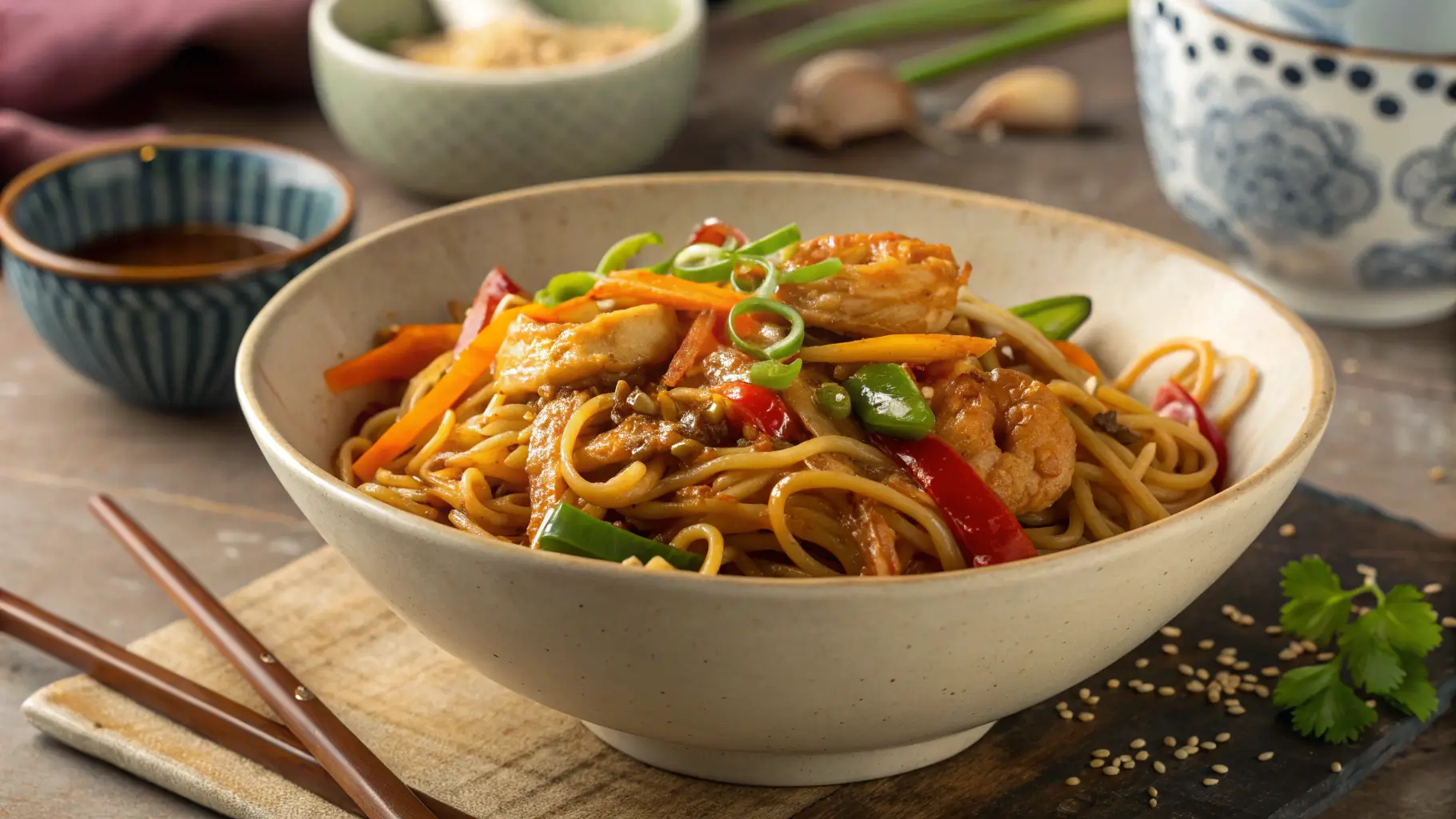
Step 7: Garnish and Serve Remove from heat and toss in the green parts of the green onions. Transfer to serving plates and garnish with sesame seeds, extra green onions, and cilantro if desired. Serve your homemade Chinese noodles immediately while hot!
Recipe Tips & Variations
For Extra Flavor:
- Add a splash of Chinese cooking wine (Shaoxing wine) when stir-frying the aromatics
- Include a teaspoon of Chinese five-spice powder for depth
- Finish with a drizzle of chili crisp oil for extra umami and heat
Vegetable Options:
- Bok choy, mushrooms, baby corn, water chestnuts, or bean sprouts all work beautifully
- Frozen stir-fry vegetable mixes save time and work perfectly
Protein Variations:
- Chicken Chinese Noodles: Use sliced chicken breast or thighs
- Shrimp Chinese Noodles: Quick-cooking and elegant
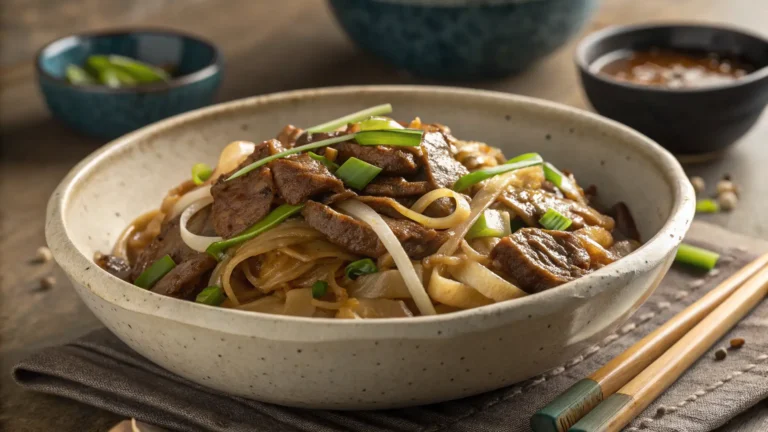
- Beef Chinese Noodles: Thinly sliced flank steak or sirloin
- Vegan Chinese Noodles: Use firm tofu, tempeh, or extra vegetables
Noodle Substitutions:
- Rice noodles, udon noodles, ramen noodles, or even regular spaghetti work in a pinch
- For a low-carb option, try zucchini noodles or shirataki noodles
Make It Gluten-Free: Use tamari instead of soy sauce and gluten-free noodles (rice noodles are naturally gluten-free).
Serving Suggestions
This Chinese noodles recipe is delicious on its own, but here are some ways to elevate your meal:
- Serve alongside potstickers, spring rolls, or egg rolls for a complete Chinese feast
- Pair with hot and sour soup or egg drop soup
- Top with a fried egg for extra richness and protein
- Serve with steamed bok choy or Chinese broccoli on the side
- Add crushed peanuts or cashews for extra crunch and flavor
This dish is perfect for casual weeknight dinners, potlucks, or when you’re craving Chinese takeout but want to eat healthier and save money.
Storage & Freezing Instructions
Refrigerator Storage: Store leftover Chinese noodles in an airtight container in the refrigerator for up to 4 days. The noodles may absorb some of the sauce as they sit, which actually makes them even more flavorful!
Reheating:
- Microwave: Heat in 1-minute intervals, stirring between, adding a splash of water or soy sauce if the noodles seem dry
- Stovetop: Reheat in a wok or skillet over medium heat with a tablespoon of water, tossing frequently until heated through
Freezing: While you can freeze this dish for up to 2 months, noodles tend to change texture slightly when frozen. If freezing, slightly undercook the noodles initially. Thaw overnight in the refrigerator and reheat on the stovetop for best results.
Meal Prep Tip: Cook the noodles and prepare the sauce separately. Store vegetables raw or lightly blanched. Assemble and stir-fry fresh when ready to eat for the best texture and flavor.
Nutrition Information (Per Serving)
- Calories: 380
- Protein: 12g (varies with protein additions)
- Carbohydrates: 58g
- Fat: 10g
- Fiber: 4g
- Sodium: 980mg
Based on a recipe serving 4, without additional protein. Nutritional values are approximate.
Conclusion
This easy Chinese noodles recipe proves you don’t need to order takeout to enjoy restaurant-quality noodles at home. With simple ingredients, a quick cooking time, and endless customization options, it’s bound to become a regular in your dinner rotation. The savory-sweet sauce, tender noodles, and crisp vegetables create the perfect balance of flavors and textures that everyone loves.
Whether you’re cooking for one or feeding a family, this recipe scales easily and adapts to whatever you have on hand. Don’t be afraid to experiment with different vegetables, proteins, and spice levels to make it your own!
Have you tried this Chinese noodles recipe? I’d love to hear how it turned out! Leave a comment below, rate the recipe, and share your favorite variations. If you love Asian-inspired dishes, be sure to check out my other recipes for fried rice, stir-fry, and dumplings!
Frequently Asked Questions (FAQs)
Can I use different types of noodles for this Chinese noodles recipe?
Absolutely! While traditional Chinese egg noodles or lo mein noodles work best, you can substitute with rice noodles, udon, ramen noodles, soba, or even regular spaghetti. Each noodle type will give a slightly different texture, but the sauce works beautifully with all of them. Just adjust cooking times according to the package directions.
Can I make Chinese noodles ahead of time?
Yes! You can prep all ingredients (chop vegetables, mix sauce, cook noodles) up to 24 hours in advance and store them separately in the refrigerator. When ready to eat, just stir-fry everything together. For best results, avoid combining the noodles with the sauce until you’re ready to serve, as they’ll absorb the liquid and may become soggy.
How do I prevent my noodles from sticking together?
After cooking and draining the noodles, rinse them briefly under cold water and toss with a small amount of oil (vegetable or sesame oil works great). This creates a coating that prevents sticking. Also, make sure your wok or pan is very hot when you add the noodles—high heat prevents sticking and creates that signature “wok hei” (breath of the wok) flavor.
What’s the difference between light and dark soy sauce?
Light soy sauce (regular soy sauce) is saltier and used primarily for seasoning. Dark soy sauce is aged longer, slightly sweeter, less salty, and adds a rich brown color to dishes. Many authentic Chinese noodle recipes use both for the best flavor and appearance. If you only have regular soy sauce, you can use it exclusively, though your noodles will be lighter in color.
Why are my Chinese noodles soggy or mushy?
This usually happens from overcooking the noodles or adding too much sauce. Cook noodles until just al dente—they’ll continue cooking slightly when stir-fried. Also, ensure your wok is very hot and avoid crowding the pan, which creates steam instead of a proper stir-fry. If your noodles seem wet, cook them a bit longer over high heat to evaporate excess liquid.
Can I make this recipe vegetarian or vegan?
Yes! Simply replace the oyster sauce with hoisin sauce or mushroom-based vegetarian oyster sauce. Skip any meat or seafood and load up on vegetables and tofu instead. Make sure your noodles don’t contain eggs if going fully vegan (rice noodles are a great egg-free option). The recipe is just as delicious and satisfying in its plant-based form!