Chinese Fried Rice Recipe – Restaurant-Quality at Home
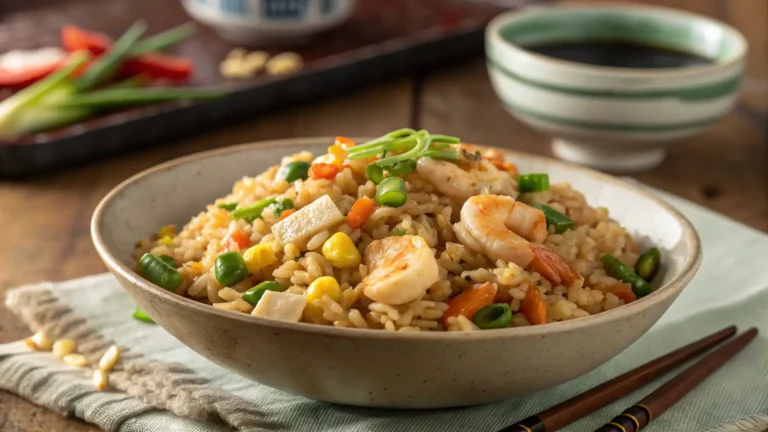
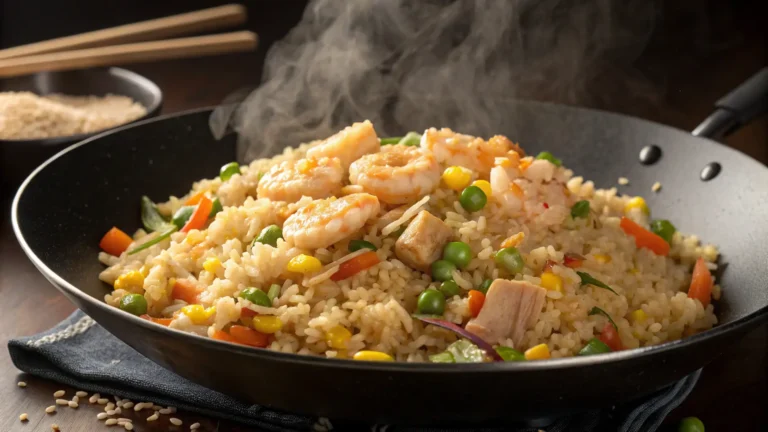
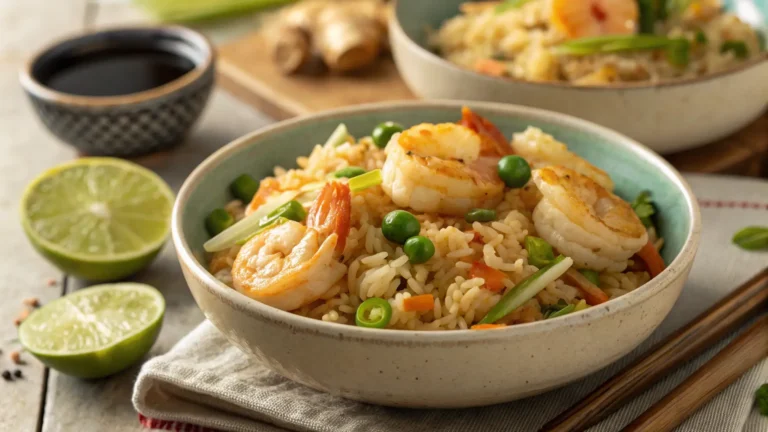
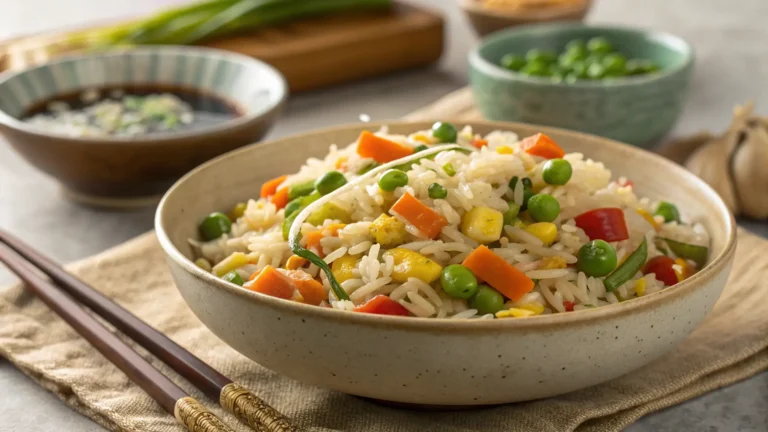
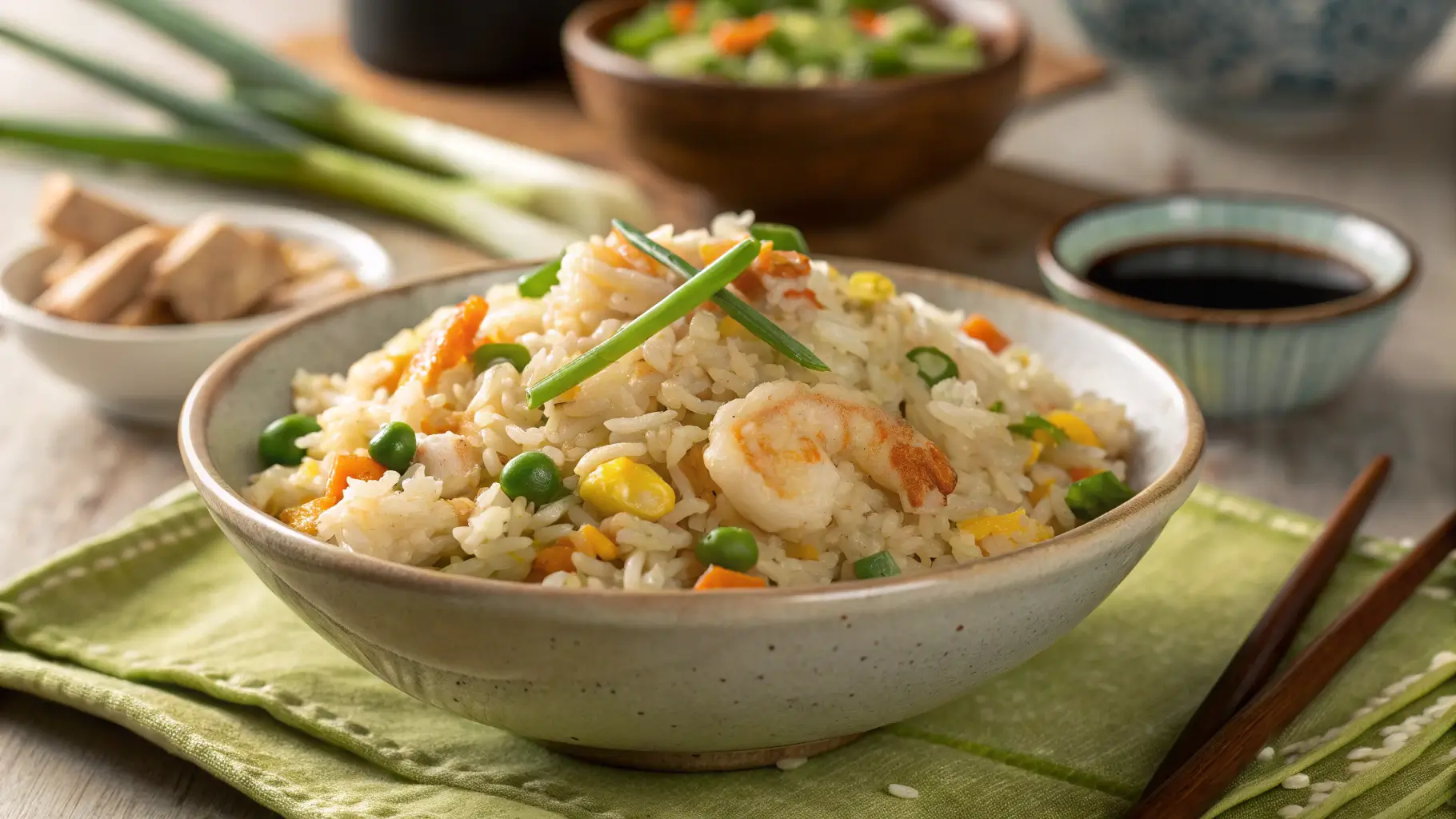
There’s something magical about a steaming plate of Chinese fried rice with its golden grains, savory aroma, and satisfying texture. This beloved staple of Chinese cuisine has won hearts worldwide, and for good reason. Making authentic Chinese fried rice at home might seem intimidating, but with the right technique and a few simple ingredients, you can create a dish that rivals your favorite takeout spot. This fried rice recipe delivers perfectly separated grains coated in savory seasonings, studded with tender vegetables, scrambled eggs, and your choice of protein. Whether you’re using up leftover rice or planning a weeknight dinner, this Chinese fried rice comes together in just 15 minutes and tastes absolutely incredible.
The beauty of Chinese fried rice lies in its versatility—it’s the perfect canvas for whatever ingredients you have on hand, making it an economical and practical meal solution for busy families.
Why You’ll Love This Recipe
- Quick and Easy: Ready in just 15 minutes from start to finish, making it perfect for busy weeknights
- Budget-Friendly: Uses simple, affordable ingredients and transforms leftover rice into something spectacular
- Completely Customizable: Adapt it to your preferences with different proteins, vegetables, and seasonings
- Better Than Takeout: Control the sodium, oil, and ingredients while achieving that authentic restaurant taste
- Meal Prep Friendly: Makes excellent leftovers and can be prepared in advance for the week ahead
Ingredients
For the Rice Base:
- 4 cups cooked and chilled rice (preferably day-old jasmine or long-grain white rice)
- 3 tablespoons vegetable oil or peanut oil, divided
- 3 large eggs, lightly beaten
- ½ teaspoon sesame oil
Vegetables:
- 1 cup frozen mixed vegetables (peas, carrots, corn) or fresh vegetables of choice
- 3 green onions, sliced (white and green parts separated)
- 2 cloves garlic, minced
- 1 teaspoon fresh ginger, minced (optional)
Protein (Choose One or Mix):
- 1 cup cooked chicken, diced
- 1 cup cooked shrimp, chopped
- 1 cup cooked pork or ham, diced
- Or leave protein-free for vegetable fried rice
Seasonings:
- 3 tablespoons soy sauce (light or low-sodium)
- 1 tablespoon oyster sauce
- ½ teaspoon white pepper or black pepper
- ½ teaspoon sugar (optional, balances flavors)
- Salt to taste
How to Make Chinese Fried Rice
Step 1: Prepare Your Ingredients Before you start cooking, ensure all ingredients are prepped and ready—this dish cooks quickly! Break up any clumps in your cold rice using your hands. Having day-old rice is crucial as freshly cooked rice contains too much moisture and will turn mushy rather than achieving that coveted separated, slightly crispy texture.
Step 2: Scramble the Eggs Heat your wok or large skillet over medium-high heat. Add 1 tablespoon of oil and swirl to coat. Pour in the beaten eggs and scramble quickly, breaking them into small pieces as they cook, about 30-45 seconds. Remove the scrambled eggs to a plate and set aside.
Step 3: Cook the Aromatics Add another tablespoon of oil to the same wok. Toss in the white parts of the green onions, minced garlic, and ginger (if using). Stir-fry for about 30 seconds until fragrant but not browned. The aromatics create the flavor foundation for your fried rice.
Step 4: Add Vegetables and Protein Add your chosen vegetables to the wok and stir-fry for 2-3 minutes until they’re tender-crisp. If using frozen vegetables, there’s no need to thaw them first. Add your cooked protein of choice and stir-fry for another minute to heat through.
Step 5: Fry the Rice Push everything to the sides of the wok, creating a well in the center. Add the remaining tablespoon of oil, then add the cold rice. Break up any remaining clumps with your spatula. Spread the rice across the wok and let it sit undisturbed for about 1 minute to develop a slight crust. Then toss and stir-fry everything together for 2-3 minutes.
Step 6: Season and Finish Pour the soy sauce and oyster sauce over the rice, tossing constantly to distribute evenly. The rice should take on a light golden-brown color. Add the scrambled eggs back in, along with white pepper and sugar if using. Stir-fry for another minute. Drizzle with sesame oil and toss in the green parts of the green onions. Taste and adjust seasoning with additional soy sauce or salt if needed.
Step 7: Serve Immediately Transfer your Chinese fried rice to a serving platter and garnish with extra green onions if desired. Serve hot for the best texture and flavor.
Recipe Tips & Variations
The Rice Secret: Day-old refrigerated rice is essential for perfect fried rice. Fresh rice is too moist and sticky. If you must use fresh rice, spread it on a baking sheet and refrigerate for 1-2 hours before cooking.
High Heat is Key: Use the highest heat your stove allows. This creates that characteristic “wok hei” (breath of wok) flavor found in restaurant-style Chinese fried rice.
Don’t Overcrowd: If doubling the recipe, cook in two batches. Too much rice in the pan creates steam rather than frying, resulting in mushy rice.
Protein Variations: Try crispy tofu for vegetarian, bacon for smoky flavor, or Chinese BBQ pork (char siu) for authentic taste. Always use pre-cooked protein.
Vegetable Options: Snow peas, bell peppers, baby corn, mushrooms, broccoli, or bok choy all work beautifully. Keep pieces small and uniform for even cooking.
Spice it Up: Add red pepper flakes, sriracha, or chili oil for a spicy kick. For extra umami, try adding a splash of fish sauce or dark soy sauce.
Make it Gluten-Free: Substitute tamari or gluten-free soy sauce and ensure your oyster sauce is gluten-free.
Lower Sodium Option: Use low-sodium soy sauce and reduce the amount to 2 tablespoons, adjusting to taste.
Serving Suggestions
Chinese fried rice is incredibly versatile and can be served as a main dish or side. For a complete meal, pair it with egg drop soup, spring rolls, or potstickers. It’s excellent alongside sweet and sour chicken, General Tso’s chicken, or Mongolian beef. Garnish your fried rice with toasted sesame seeds, extra sliced green onions, or a fried egg on top for added richness.
Serve it family-style in a large bowl, letting everyone help themselves. For meal prep, portion it into individual containers with steamed broccoli or other vegetables on the side. It also makes a fantastic base for rice bowls—top with teriyaki chicken, grilled salmon, or Korean BBQ beef.
Storage & Freezing Instructions
Refrigerator: Store leftover Chinese fried rice in an airtight container in the refrigerator for up to 4-5 days. The flavors often deepen overnight, making leftovers especially delicious.
Reheating: For best results, reheat in a skillet or wok over medium-high heat with a splash of oil or water to prevent drying. You can also microwave in 1-minute intervals, stirring between, though this may result in softer rice. Add a few drops of soy sauce or sesame oil when reheating to refresh the flavors.
Freezing: Yes, fried rice freezes well! Cool completely, then portion into freezer-safe containers or bags, removing as much air as possible. Freeze for up to 3 months. Thaw overnight in the refrigerator before reheating. The texture may be slightly softer after freezing, but it’s still delicious.
Make-Ahead Tip: Cook your rice a day in advance and refrigerate it specifically for making fried rice. You can also prep all your vegetables and protein ahead of time, storing them separately until ready to cook.
Nutrition Information
Approximate per serving (based on 4 servings with chicken):
- Calories: 380-420
- Protein: 18g
- Carbohydrates: 48g
- Fat: 13g
- Fiber: 2g
- Sodium: 650mg (varies based on soy sauce used)
Note: Nutritional values are estimates and will vary based on specific ingredients and portion sizes.
Conclusion
Making restaurant-quality Chinese fried rice at home is easier than you might think! With day-old rice, high heat, and a few simple techniques, you’ll create a dish that’s flavorful, satisfying, and endlessly customizable. Whether you’re cooking for your family on a busy weeknight or impressing guests with your Asian-inspired cooking skills, this recipe delivers every time. The best part? You control the ingredients, making it healthier and more economical than ordering takeout.
Give this Chinese fried rice recipe a try and discover how simple it is to bring authentic flavors to your kitchen. Don’t forget to share your results in the comments below—I’d love to hear about your favorite ingredient combinations and any creative variations you try!
Frequently Asked Questions (FAQs)
Can I use freshly cooked rice instead of day-old rice?
While day-old rice is ideal, you can use fresh rice if needed. Spread freshly cooked rice on a baking sheet and refrigerate uncovered for at least 1-2 hours to remove excess moisture. Alternatively, cook your rice with slightly less water than usual, then let it cool completely before using. The key is having dry, separated grains rather than sticky, moist rice.
What type of rice works best for Chinese fried rice?
Long-grain white rice, particularly jasmine rice, is the gold standard for fried rice. It has the perfect texture and doesn’t clump together as much as short-grain varieties. You can also use basmati rice for a slightly different flavor profile. Avoid using sticky rice or sushi rice, as these varieties are too moist and won’t achieve the proper texture.
Can I make Chinese fried rice without a wok?
Absolutely! While a wok is traditional and provides even heat distribution, a large skillet or non-stick frying pan works perfectly well. Choose the largest pan you have to allow maximum surface contact with the heat. Cast iron skillets are also excellent for achieving that slightly crispy texture. The most important factor is using high heat rather than the specific cookware.
Why does my fried rice turn out mushy or sticky?
Mushy fried rice typically results from using rice that’s too fresh or too moist. Other common causes include overcrowding the pan (which creates steam), using insufficient heat, or adding too much sauce. Make sure your rice is cold and dry, cook in batches if needed, use high heat, and add sauces sparingly—you can always add more, but you can’t remove excess moisture.
Can I make this recipe vegetarian or vegan?
Yes! Simply omit the eggs or use a vegan egg substitute, and skip the oyster sauce or replace it with vegetarian oyster sauce (mushroom-based) or hoisin sauce. Load up on colorful vegetables like bell peppers, snap peas, mushrooms, and broccoli. Add crispy tofu or tempeh for extra protein. The dish will be just as flavorful and satisfying while being completely plant-based.
What’s the secret to getting that smoky restaurant flavor?
The characteristic smoky flavor, called “wok hei” in Chinese cooking, comes from cooking at very high heat in a well-seasoned wok. While home stoves don’t reach the same temperatures as restaurant woks, you can approximate it by using the highest heat setting, ensuring your wok or pan is properly preheated, and working quickly. A small amount of sesame oil added at the end also enhances that authentic flavor.