Yangzhou Fried Rice – Authentic Chinese Restaurant-Style Recipe at Home
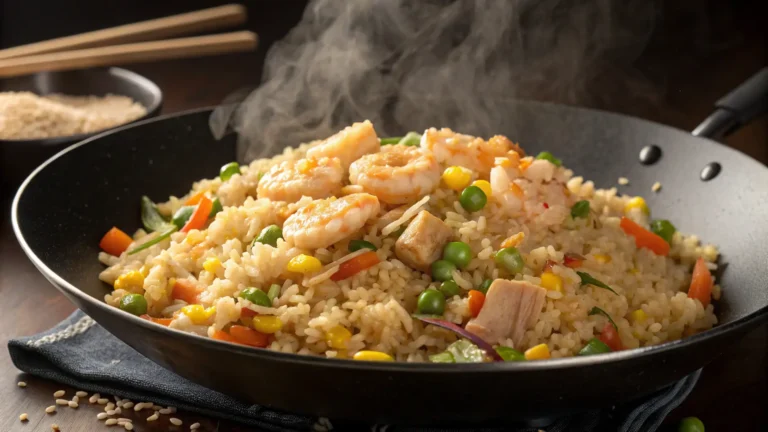
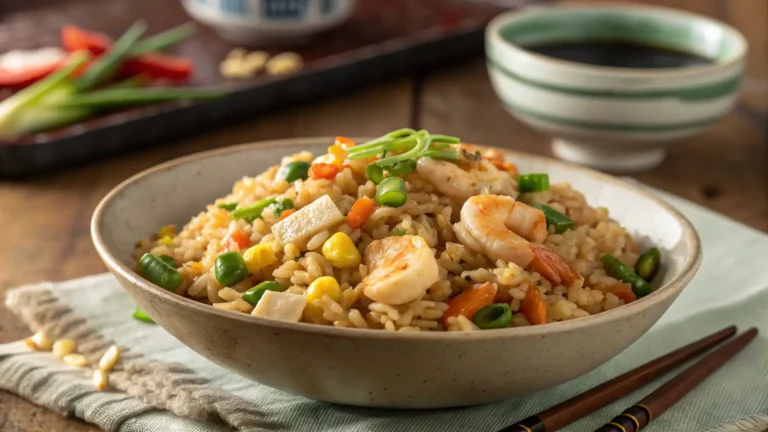
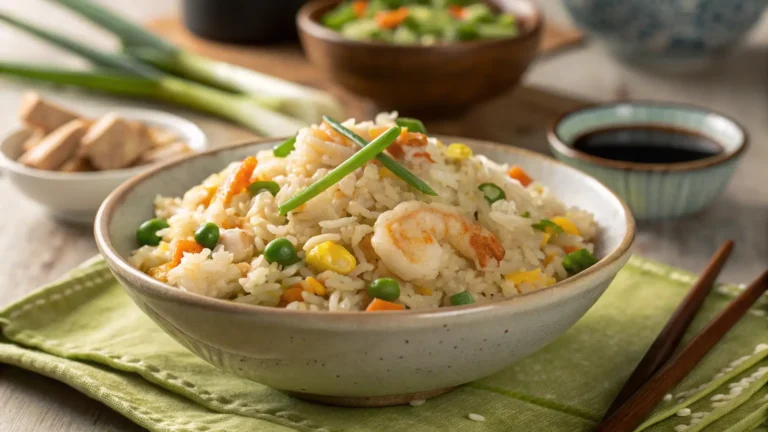
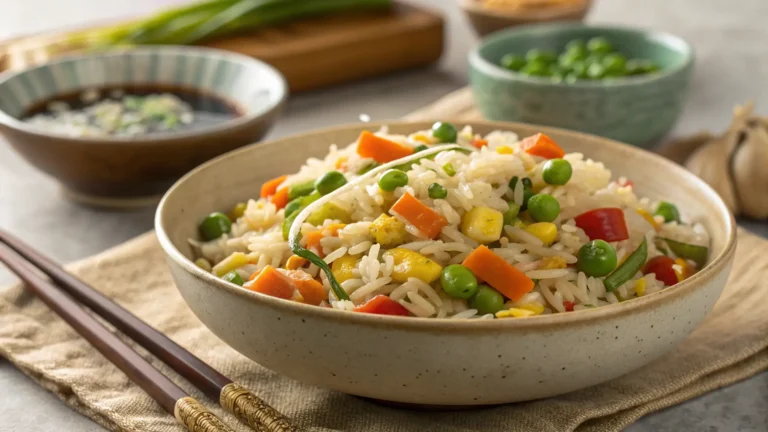
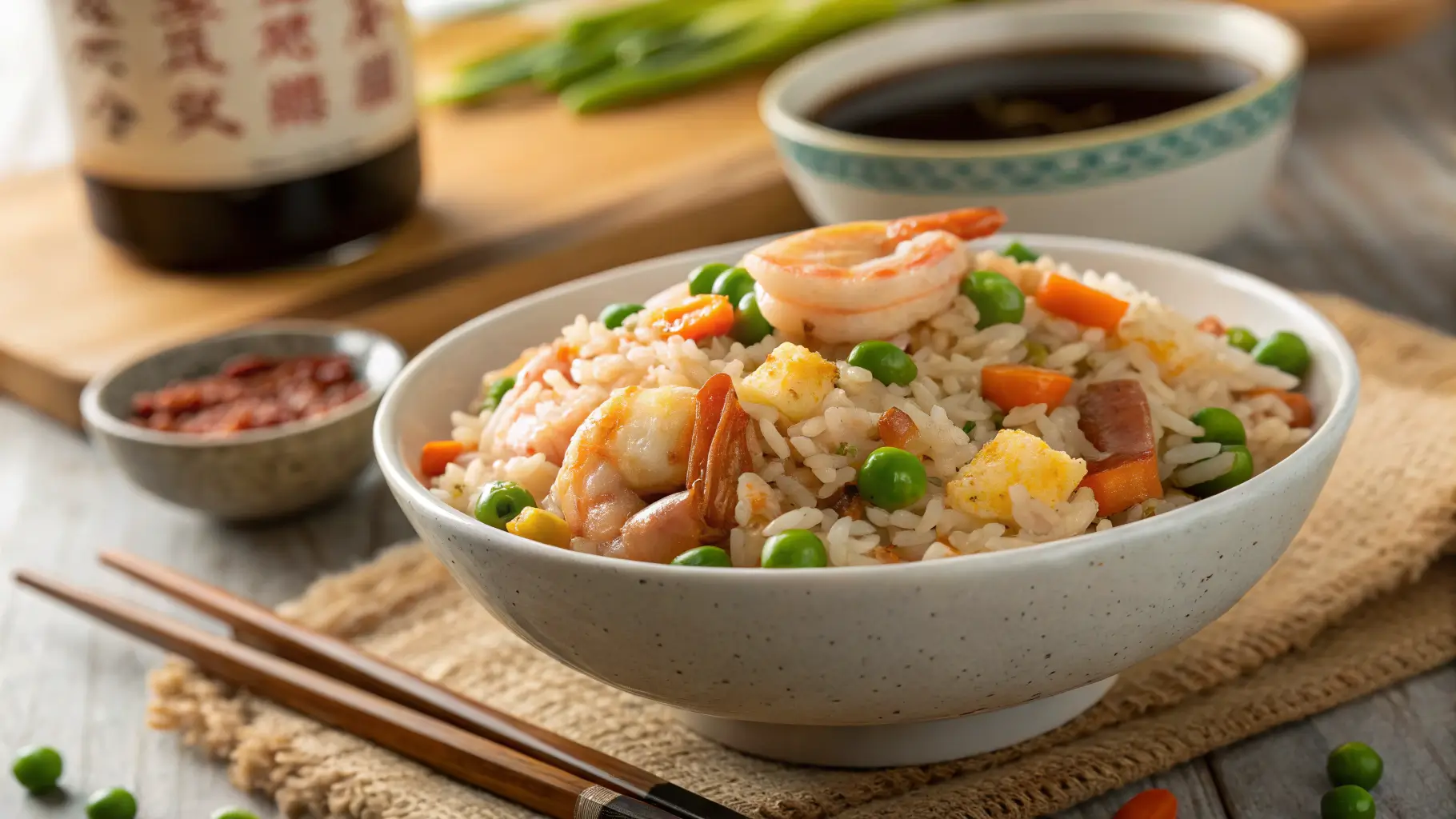
There’s something magical about a steaming plate of Yangzhou fried rice that makes it one of China’s most beloved dishes. This classic Jiangsu Province specialty combines fluffy grains of rice with colorful vegetables, tender shrimp, savory ham, and perfectly scrambled eggs all tossed together in a hot wok with aromatic seasonings. Also known as Yangzhou chao fan or Yang Chow fried rice, this restaurant-quality dish is surprisingly easy to recreate in your own kitchen, delivering that signature “wok hei” (breath of the wok) flavor that makes Chinese fried rice so irresistible.
Unlike plain fried rice, authentic Yangzhou fried rice is considered a premium variety thanks to its generous mix of proteins and vegetables. Every bite offers a delightful combination of textures from the slight chew of the rice to the snap of fresh vegetables and the tenderness of shrimp. The dish strikes a perfect balance between savory, slightly sweet, and umami-rich flavors that have made it a staple on Chinese restaurant menus worldwide.
Why You’ll Love This Yangzhou Fried Rice Recipe
- Restaurant-quality results – Achieve that professional wok-tossed texture and flavor right in your home kitchen
- Complete one-pan meal – Packed with protein, vegetables, and carbs for a satisfying, balanced dinner
- Perfect for meal prep – Great way to use leftover rice and easily customizable with whatever ingredients you have on hand
- Ready in 20 minutes – Quick weeknight dinner that’s faster than takeout
- Impressive yet approachable – Looks and tastes sophisticated but uses simple cooking techniques
Ingredients
For the Rice:
- 4 cups cooked jasmine or long-grain rice, preferably day-old and refrigerated
- 3 tablespoons vegetable oil (or peanut oil), divided
For the Protein:
- 8 oz medium shrimp, peeled, deveined, and cut into bite-sized pieces
- 4 oz Chinese BBQ pork (char siu) or cooked ham, diced into small cubes
- 3 large eggs, lightly beaten with a pinch of salt
For the Vegetables:
- 1 cup frozen peas and carrots, thawed (or ½ cup each fresh)
- 3 green onions, white and green parts separated and thinly sliced
- 2 cloves garlic, minced
For the Seasoning:
- 2 tablespoons light soy sauce
- 1 tablespoon oyster sauce
- ½ teaspoon sesame oil
- ¼ teaspoon white pepper
- ½ teaspoon sugar
- Salt to taste
Pro tip: Day-old rice is essential for authentic Yangzhou fried rice. Freshly cooked rice contains too much moisture and will result in a mushy texture. If you need to use fresh rice, spread it on a baking sheet and refrigerate for at least 2 hours before cooking.
How to Make Yangzhou Fried Rice
Step 1: Prepare Your Ingredients Before you start cooking, have everything prepped and within arm’s reach this is called “mise en place.” Break up any clumps in your cold rice with your hands or a fork. The individual grains should be separated for the best fried rice texture.
Step 2: Cook the Eggs Heat a large wok or non-stick skillet over medium-high heat. Add 1 tablespoon of oil and swirl to coat. Pour in the beaten eggs and let them sit for a few seconds until they start to set. Gently scramble into soft curds, then transfer to a plate. Don’t overcook they’ll cook more later.
Step 3: Cook the Shrimp Add another tablespoon of oil to the wok. Increase heat to high and add the shrimp in a single layer. Cook for 1-2 minutes per side until pink and just cooked through. Remove and set aside with the eggs.
Step 4: Stir-Fry the Aromatics and Vegetables Add the remaining oil to the wok. Toss in the white parts of the green onions and minced garlic, stirring constantly for about 30 seconds until fragrant. Add the peas, carrots, and diced ham or char siu. Stir-fry for 1-2 minutes until heated through.
Step 5: Add the Rice Add the cold rice to the wok, breaking up any remaining clumps. Use your spatula to press the rice against the hot wok surface, then toss and repeat. This technique helps achieve that slightly crispy, toasted texture. Stir-fry for 3-4 minutes, ensuring the rice gets evenly heated and starts to look slightly dry.
Step 6: Season and Combine Drizzle the soy sauce and oyster sauce around the edges of the wok (this allows them to heat quickly and caramelize slightly). Add the white pepper and sugar. Toss everything vigorously to distribute the seasonings evenly. The rice should take on a light golden-brown color.
Step 7: Final Assembly Return the cooked eggs and shrimp to the wok. Add the sesame oil and green onion tops. Give everything a final toss for 1 minute until well combined and heated through. Taste and adjust seasoning with additional soy sauce or salt if needed.
Step 8: Serve Immediately Transfer your beautiful Yangzhou fried rice to a serving platter or individual bowls. Garnish with extra sliced green onions if desired. Serve hot for the best flavor and texture.
Recipe Tips & Variations
Rice Selection: Jasmine rice provides the most authentic flavor, but Japanese short-grain rice or basmati rice also work well. The key is using rice that’s been refrigerated overnight the cold, dry grains separate easily and won’t turn mushy.
Protein Swaps: Traditional Yangzhou style uses shrimp and Chinese BBQ pork, but you can substitute with chicken, tofu, or additional vegetables for a vegetarian version. Some variations include small pieces of sea cucumber or scallops for an upscale version.
Vegetable Additions: While peas and carrots are classic, feel free to add corn, diced bell peppers, mushrooms, or snow peas. Just keep the vegetable pieces small and uniform for even cooking.
Heat Control: The secret to restaurant-style fried rice is high heat. Your wok should be smoking hot before adding ingredients. If your stove doesn’t get very hot, cook in smaller batches to maintain the temperature.
Soy Sauce Balance: Start with the recommended amount and add more at the end if needed. It’s easier to add more seasoning than to fix over-seasoned rice.
Gluten-Free Option: Use tamari instead of regular soy sauce and check that your oyster sauce is gluten-free (or substitute with mushroom sauce).
Serving Suggestions
Yangzhou fried rice is substantial enough to serve as a main course, but it also pairs beautifully with other Chinese dishes as part of a larger meal. Here are some serving ideas:
- As a main dish: Serve with a simple cucumber salad or Chinese pickled vegetables on the side
- Part of a Chinese feast: Pair with Kung Pao chicken, sweet and sour pork, or stir-fried green beans
- With soup: Balance the richness with hot and sour soup or egg drop soup
- Restaurant-style presentation: Pack into a small bowl and invert onto a plate for a dome shape, garnished with fresh cilantro or a carved tomato rose
- Casual lunch: Enjoy with a fried egg on top and a drizzle of chili oil for extra flavor
Storage & Freezing Instructions
Refrigerator Storage: Store leftover Yangzhou fried rice in an airtight container in the refrigerator for up to 3-4 days. The flavors often develop and taste even better the next day.
Reheating: For best results, reheat in a skillet or wok over medium-high heat with a splash of water or oil to restore moisture. Microwave reheating works in a pinch add a tablespoon of water, cover with a damp paper towel, and heat in 1-minute intervals, stirring between each.
Freezing: This fried rice freezes well for up to 2 months. Allow it to cool completely, then portion into freezer-safe containers or bags. Freeze flat for easier storage and quicker thawing.
From Frozen: Thaw overnight in the refrigerator, then reheat using the skillet method. You can also reheat directly from frozen just add a few extra minutes and a bit more liquid.
Nutrition Information (Per Serving)
Based on 6 servings
- Calories: 385
- Protein: 18g
- Carbohydrates: 48g
- Fat: 12g
- Fiber: 2g
- Sodium: 680mg
Note: Nutritional values are approximate and will vary based on specific ingredients used.
Conclusion
This Yangzhou fried rice recipe brings the authentic taste of Chinese restaurant cooking right to your home kitchen. With its colorful presentation, satisfying mix of proteins and vegetables, and that irresistible wok-kissed flavor, it’s no wonder this dish has remained a favorite for generations. Whether you’re looking for a quick weeknight dinner, a way to use up leftover rice, or an impressive dish for guests, this classic fried rice delivers every time.
The beauty of this recipe lies in its versatility once you master the basic technique, you can customize it endlessly to suit your tastes and whatever ingredients you have on hand. Don’t be intimidated by the high heat and quick cooking time; with a little practice, you’ll be tossing fried rice like a professional chef.
Give this recipe a try and let me know how it turns out! Share your photos, tips, and variations in the comments below. I’d love to hear what proteins and vegetables you included in your version of this timeless Chinese classic.
Frequently Asked Questions (FAQs)
Can I use freshly cooked rice for Yangzhou fried rice?
While day-old rice is strongly recommended, you can use fresh rice if needed. Spread freshly cooked rice on a baking sheet in a thin layer and refrigerate uncovered for at least 2 hours, or place it in the freezer for 20-30 minutes. This dries out the surface moisture that would otherwise make your fried rice mushy. Avoid using hot or warm rice directly in the wok.
What’s the best type of wok for making fried rice?
A carbon steel wok is ideal for achieving authentic results because it heats quickly and distributes heat evenly. However, a large non-stick skillet (12 inches or larger) works well for home cooking, especially if your stove doesn’t produce very high heat. The key is having enough surface area to spread ingredients out and get that signature slightly crispy texture.
Can I make Yangzhou fried rice ahead of time?
Yes! This dish actually reheats beautifully, making it perfect for meal prep. Cook the fried rice fully, let it cool to room temperature, then refrigerate for up to 4 days. Some people actually prefer the flavor after it’s had time to sit and the seasonings have melded together. Just reheat in a hot wok or skillet with a tiny splash of water or oil.
Why does my fried rice turn out mushy or clumpy?
Mushy fried rice usually results from three mistakes: using warm or freshly cooked rice, overcrowding the pan, or cooking at too low a temperature. Always use cold, day-old rice with separated grains. Cook over high heat and avoid stirring too frequently let the rice sit against the hot surface for a few seconds to develop texture. If your wok is crowded, cook in two batches instead.
Can I make a vegetarian version of Yangzhou fried rice?
Absolutely! Replace the shrimp and ham with firm tofu (pressed and cubed), more vegetables like mushrooms and bell peppers, or plant-based proteins. You can also add cashews or edamame for extra protein and texture. Replace oyster sauce with vegetarian mushroom sauce to keep it completely plant-based. The cooking technique remains the same.
What can I substitute for Chinese BBQ pork (char siu)?
If you can’t find char siu, regular cooked ham, diced bacon, Chinese sausage (lap cheong), or even leftover roasted pork all work wonderfully. Each will give a slightly different flavor profile, but all provide that savory, slightly sweet element that makes Yangzhou fried rice special. For a shortcut, some rotisserie chicken torn into small pieces also works in a pinch.