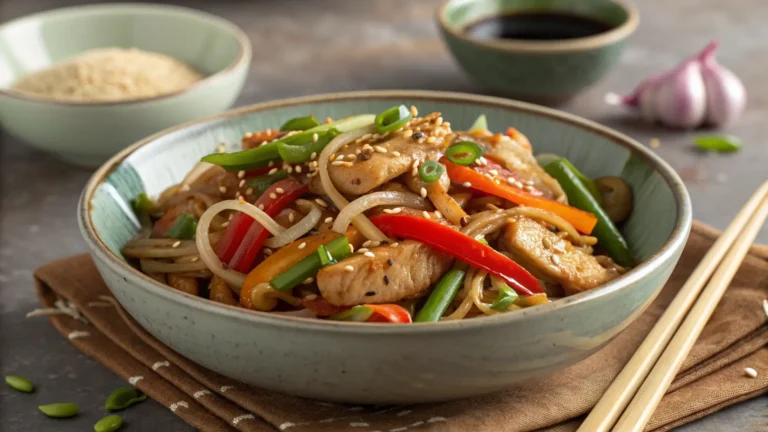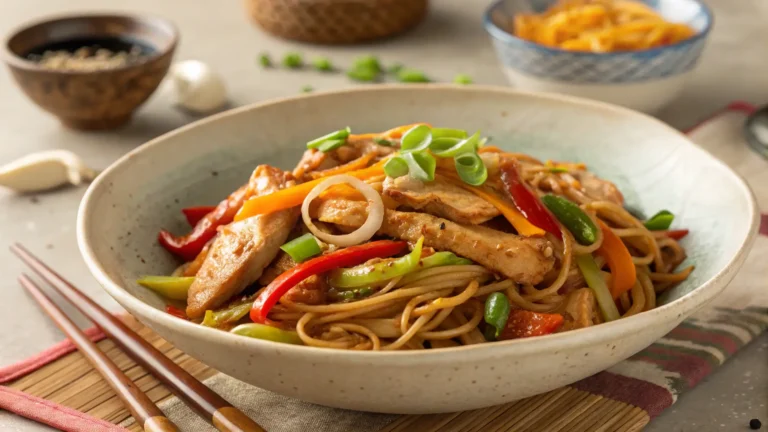
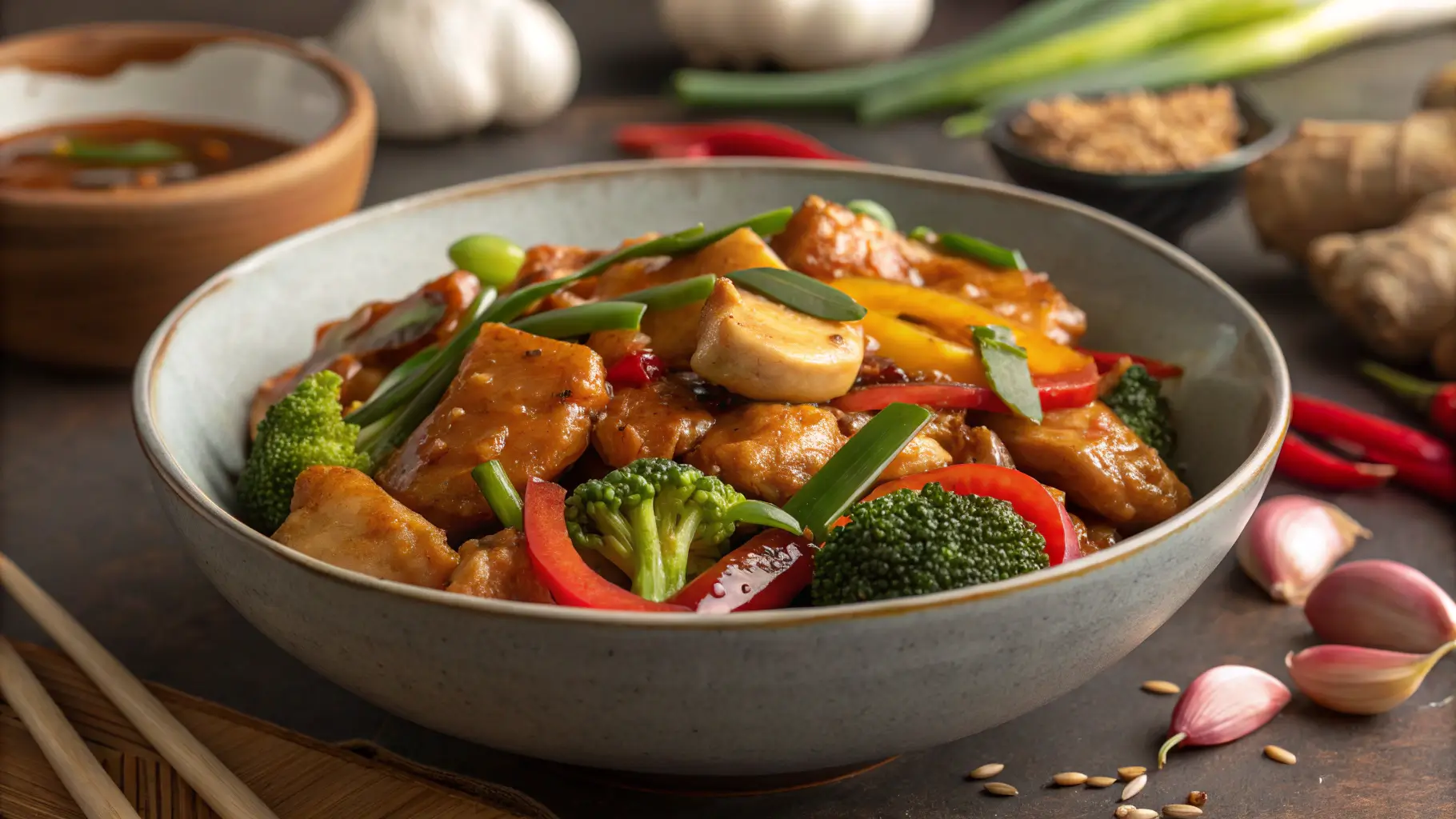
Chinese Chicken Stir-Fry – Authentic, Easy & Restaurant-Quality at Home
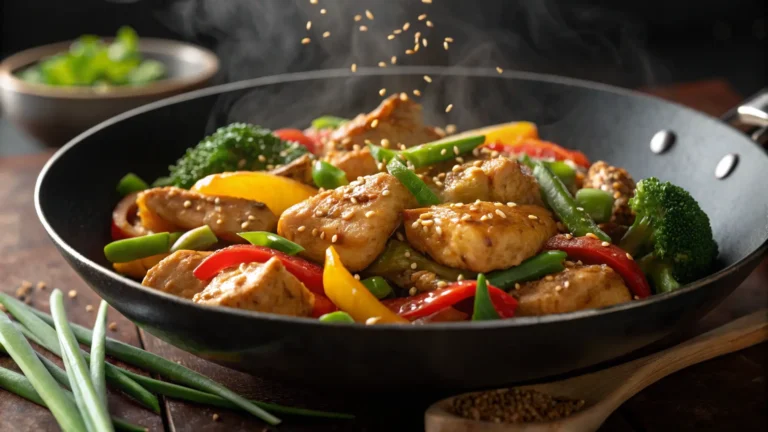
There’s something magical about a sizzling wok filled with tender Chinese chicken that instantly transforms your kitchen into your favorite takeout spot. This Chinese chicken stir-fry recipe delivers all the flavor, texture, and aromatic appeal of authentic Chinese cuisine, without the need for special equipment or hard-to-find ingredients. With juicy, velvety chicken pieces coated in a glossy, savory-sweet sauce and paired with crisp vegetables, this dish brings the taste of China right to your dinner table in just 30 minutes.
Whether you’re craving a quick weeknight dinner or looking to impress guests with your culinary skills, this Chinese chicken recipe checks all the boxes. The chicken is marinated using a traditional velveting technique that keeps it incredibly tender, while the sauce strikes the perfect balance between salty, sweet, and umami-rich flavors. Serve it over steamed rice or noodles, and you’ve got a complete meal that rivals any restaurant version.
Why You’ll Love This Recipe
- Restaurant-quality results at home – Achieve that signature tender texture and glossy sauce without leaving your kitchen
- Quick and convenient – Ready in 30 minutes from start to finish, perfect for busy weeknights
- Budget-friendly – Costs a fraction of takeout while serving the whole family
- Customizable vegetables – Use whatever fresh or frozen veggies you have on hand
- Meal prep friendly – Makes excellent leftovers and reheats beautifully for lunch
Ingredients
For the Chicken Marinade (Velveting):
- 1½ pounds boneless, skinless chicken breast or thighs, cut into bite-sized pieces
- 1 tablespoon soy sauce
- 1 tablespoon Shaoxing wine (or dry sherry)
- 1 tablespoon cornstarch
- 1 teaspoon sesame oil
- ¼ teaspoon white pepper
For the Stir-Fry Sauce:
- 3 tablespoons soy sauce (or tamari for gluten-free)
- 2 tablespoons oyster sauce
- 1 tablespoon hoisin sauce
- 1 tablespoon rice vinegar
- 1 tablespoon honey or brown sugar
- 1 teaspoon cornstarch
- ¼ cup chicken broth or water
- 1 teaspoon sesame oil
For the Stir-Fry:
- 3 tablespoons vegetable oil, divided
- 3 cloves garlic, minced
- 1 tablespoon fresh ginger, minced
- 1 bell pepper, cut into chunks
- 1 cup broccoli florets
- 1 medium onion, cut into wedges
- ½ cup snap peas or snow peas
- 2-3 scallions, cut into 1-inch pieces
- Optional: dried red chili peppers or red pepper flakes for heat
How to Make Chinese Chicken Stir-Fry
1. Velvet the chicken: In a medium bowl, combine the chicken pieces with soy sauce, Shaoxing wine, cornstarch, sesame oil, and white pepper. Mix thoroughly until each piece is well coated. Let marinate for 15-20 minutes at room temperature. This velveting technique creates that silky, tender texture characteristic of Chinese restaurant chicken.
2. Prepare the sauce: In a small bowl, whisk together soy sauce, oyster sauce, hoisin sauce, rice vinegar, honey, cornstarch, chicken broth, and sesame oil until the cornstarch is fully dissolved. Set aside within easy reach of your stove.
3. Prep your ingredients: Cut all vegetables into uniform bite-sized pieces and have them arranged near your cooking station. Stir-frying moves quickly, so having everything ready (mise en place) is essential for success.
4. Cook the chicken: Heat a large wok or deep skillet over high heat until smoking hot. Add 2 tablespoons of vegetable oil and swirl to coat. Add the marinated chicken in a single layer (work in batches if needed to avoid crowding). Let it sear undisturbed for 1-2 minutes, then stir-fry for 3-4 minutes until golden and just cooked through. Remove chicken to a plate and set aside.
5. Stir-fry the aromatics and vegetables: Add the remaining tablespoon of oil to the wok. Add garlic, ginger, and dried chilies (if using) and stir-fry for 30 seconds until fragrant. Add the harder vegetables first (broccoli, onion) and stir-fry for 2 minutes. Then add bell pepper and snap peas, cooking for another 2 minutes until crisp-tender.
6. Combine and finish: Return the cooked chicken to the wok along with any accumulated juices. Give the sauce a quick stir to recombine the cornstarch, then pour it over the chicken and vegetables. Toss everything together vigorously for 1-2 minutes until the sauce thickens and creates a glossy coating on the chicken and vegetables. Add scallions and toss once more.
7. Serve immediately: Transfer to a serving platter and enjoy hot over steamed jasmine rice, fried rice, or lo mein noodles.
Recipe Tips & Variations
Protein variations: Swap chicken for thinly sliced beef, pork, shrimp, or even firm tofu. Adjust cooking times accordingly shrimp cooks in just 2-3 minutes.
Make it spicier: Add Szechuan peppercorns, douban jiang (spicy bean paste), or fresh Thai chilies for an authentic spicy Chinese chicken version.
Vegetable swaps: Try baby corn, water chestnuts, mushrooms, bok choy, carrots, or zucchini based on what’s in season or available in your fridge.
Sauce adjustments: For a sweeter profile, increase the honey. For more umami depth, add a splash of fish sauce. Want it less salty? Reduce the soy sauce by half and add more broth.
Gluten-free option: Use tamari instead of soy sauce and ensure your oyster and hoisin sauces are certified gluten-free.
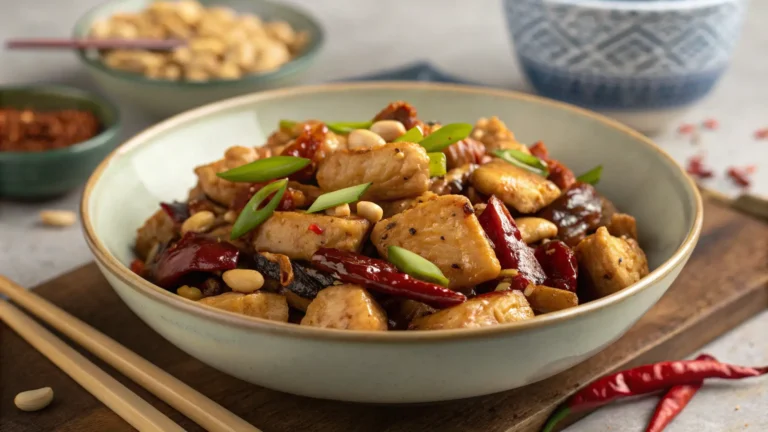
Cashew or kung pao style: Add ½ cup roasted cashews or peanuts in the final minute of cooking for extra crunch and richness.
Serving Suggestions
This versatile Chinese chicken stir-fry pairs beautifully with:
- Steamed jasmine or white rice – The classic choice that soaks up the delicious sauce
- Fried rice – Turn it into a double-carb feast for special occasions
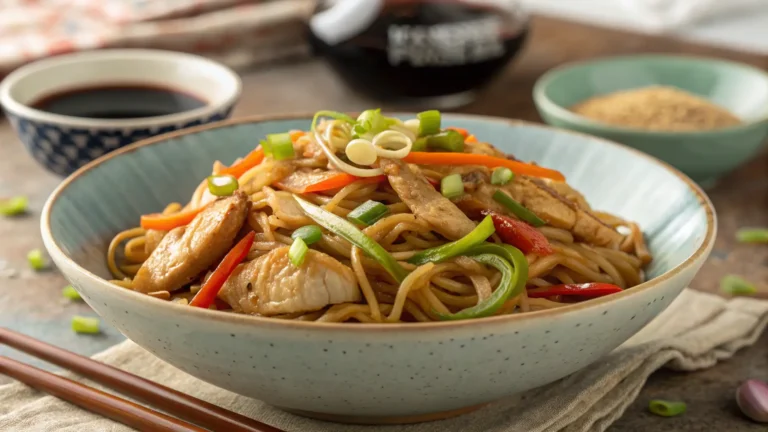
- Lo mein or chow mein noodles – Toss the stir-fry with cooked noodles for a one-bowl meal
- Cauliflower rice – For a low-carb alternative that’s equally satisfying
- Spring rolls or egg rolls – Complete the Chinese takeout experience
- Hot and sour soup – Start your meal with this tangy, warming soup
Garnish with extra sliced scallions, toasted sesame seeds, or crispy fried onions for added texture and visual appeal.
Storage & Freezing Instructions
Refrigerator: Store leftover Chinese chicken in an airtight container for up to 4 days. The flavors often deepen overnight, making leftovers even more delicious.
Reheating: For best results, reheat in a wok or skillet over medium-high heat with a splash of water or broth to revive the sauce. Microwave reheating works but may result in softer vegetables. Heat in 1-minute intervals, stirring between, until steaming hot.
Freezing: This dish freezes reasonably well for up to 2 months, though vegetables may lose some crispness. Freeze in portion-sized containers, leaving some headspace for expansion. Thaw overnight in the refrigerator before reheating.
Meal prep tip: Prepare the marinated chicken and chopped vegetables in advance. Store separately in the fridge for up to 2 days, then cook fresh when ready to eat.
Nutrition Information (Per Serving)
Based on 4 servings
- Calories: 320
- Protein: 38g
- Carbohydrates: 18g
- Fat: 11g
- Fiber: 3g
- Sodium: 980mg
Note: Nutrition information is approximate and will vary based on specific ingredients and portion sizes.
Conclusion
This Chinese chicken stir-fry recipe proves you don’t need to order takeout to enjoy authentic, flavorful Chinese food at home. With simple ingredients, a hot wok, and about 30 minutes of your time, you can create a restaurant-quality dish that’s healthier, more economical, and just as delicious as what you’d get from your favorite Chinese restaurant. The velveting technique ensures tender, succulent chicken every time, while the sauce delivers that perfect balance of savory, sweet, and umami flavors.
Give this recipe a try tonight and discover how easy it is to master Chinese cooking in your own kitchen. Don’t forget to leave a comment below sharing your results, any variations you tried, or questions you might have. Happy cooking!
Frequently Asked Questions (FAQs)
Can I use chicken thighs instead of chicken breast?
Absolutely! Boneless, skinless chicken thighs actually work beautifully in this Chinese chicken recipe. They’re more forgiving than breast meat, staying juicy even if slightly overcooked. The velveting marinade works equally well with thighs, and many prefer their richer flavor. Just ensure they’re cut into uniform bite-sized pieces for even cooking.
Can I make this recipe ahead of time?
While stir-fries are best enjoyed fresh for optimal texture, you can prep components ahead. Marinate the chicken and chop all vegetables up to 24 hours in advance, storing them separately in the refrigerator. Mix your sauce and keep it refrigerated. When ready to eat, the actual cooking takes only 10 minutes. Fully cooked stir-fry can be refrigerated and reheated, though vegetables will be softer.
What’s the secret to getting restaurant-style tender chicken?
The key is the velveting technique coating chicken in a mixture of cornstarch, soy sauce, and wine before cooking. This creates a protective coating that seals in moisture and prevents the protein from toughening. Also crucial: don’t overcrowd the pan, cook over high heat, and avoid overcooking. Remove chicken when it’s just cooked through (165°F internal temperature), as it will continue cooking slightly with residual heat.
Can I make this without a wok?
Yes! While a wok is traditional and ideal for stir-frying due to its high, sloped sides and even heat distribution, a large deep skillet or sauté pan works perfectly fine. Use a 12-inch or larger pan, and ensure it’s heavy-bottomed for good heat retention. The most important factor is high heat get your pan very hot before adding ingredients. You may need to work in smaller batches with a skillet.
Why is my stir-fry watery instead of having a thick sauce?
This usually happens when: (1) there’s too much liquid in your sauce make sure you’re measuring accurately; (2) the cornstarch wasn’t mixed properly always stir it right before adding to ensure it’s dissolved; (3) your heat is too low high heat evaporates excess moisture and allows the cornstarch to thicken properly; or (4) your vegetables released water avoid overcrowding the pan and ensure vegetables are dry before cooking.
Can I make this dish less salty?
Traditional Chinese chicken stir-fry has a robust salty-savory flavor, but you can adjust it to your taste. Use low-sodium soy sauce and reduce the amount by 25-30%. Increase the chicken broth or water in the sauce to maintain volume. You can also add a bit more honey or a squeeze of fresh lime juice to balance the saltiness. Taste the sauce before adding it to the stir-fry and adjust as needed. Remember that sauce gets distributed across all the ingredients, so it should taste slightly strong on its own.