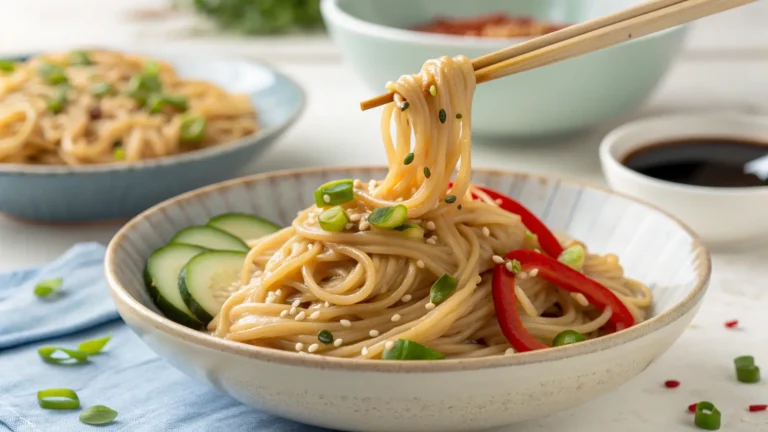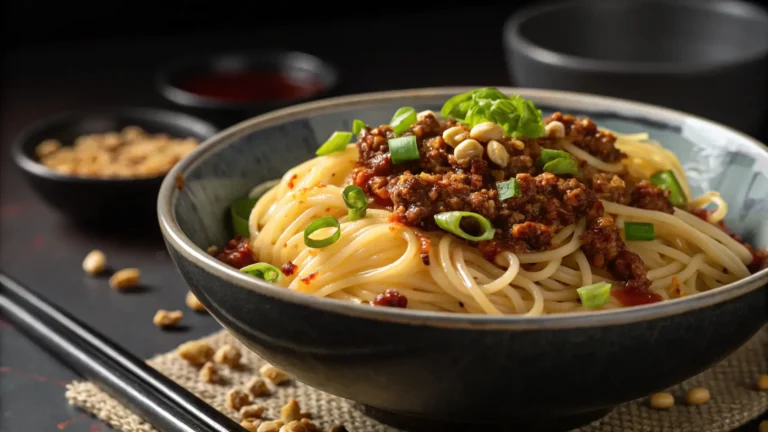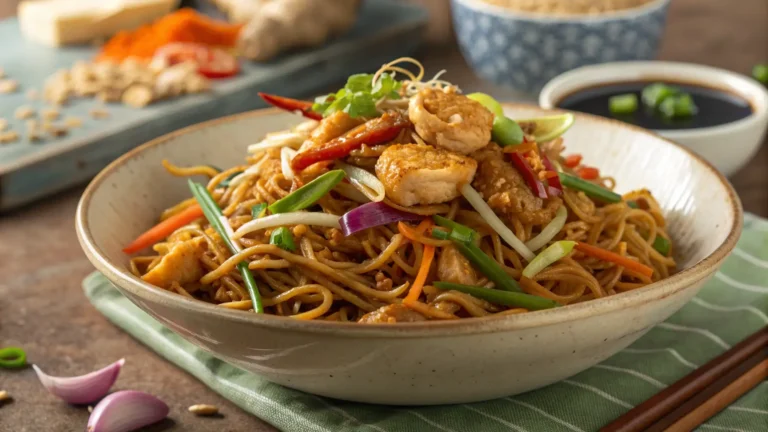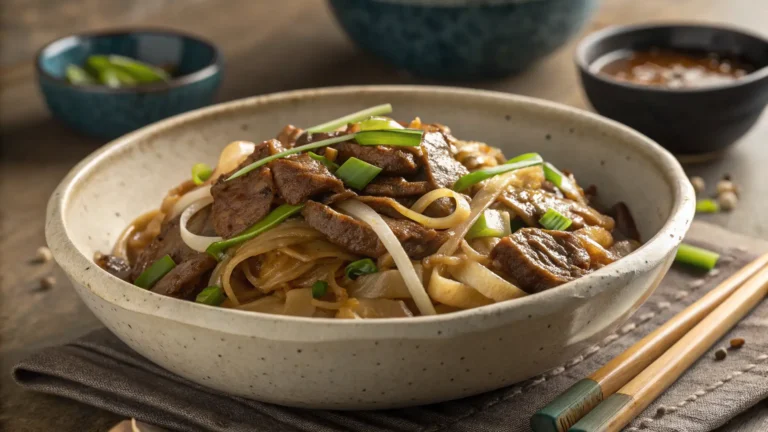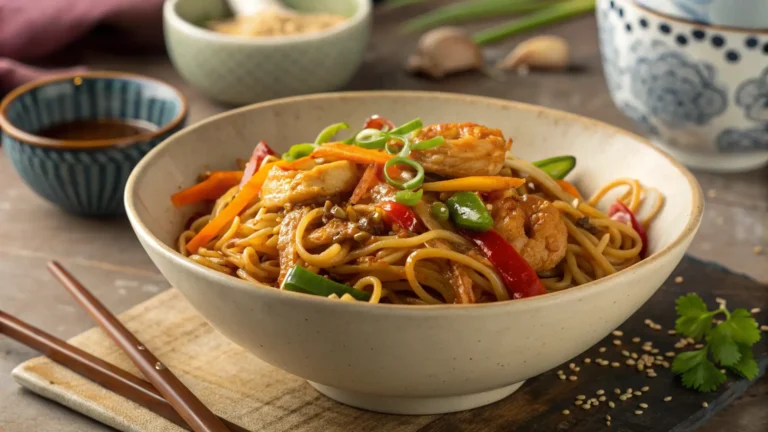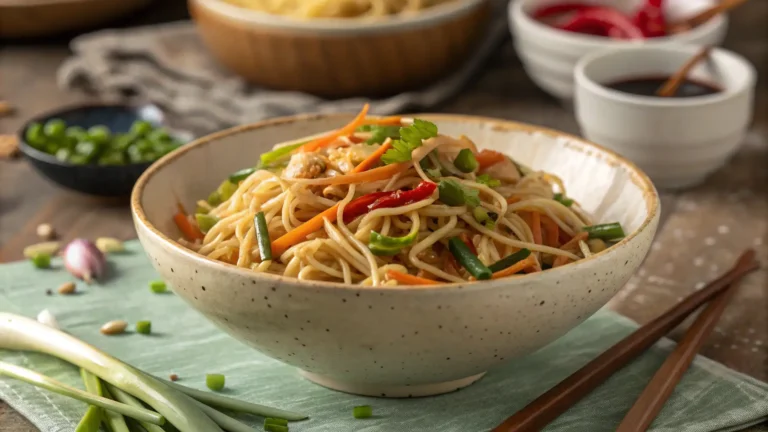
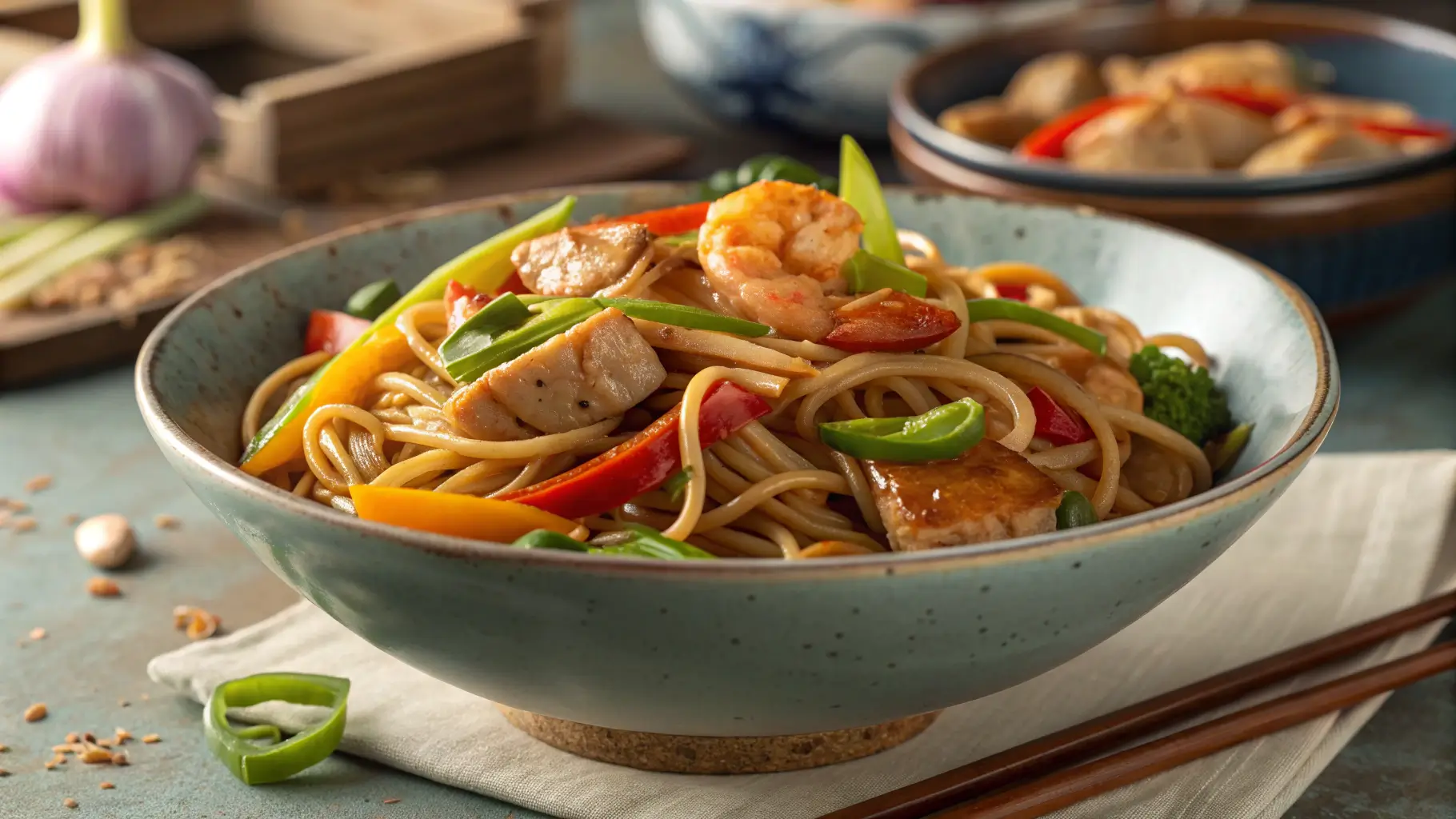
Homemade Lo Mein Noodles – Easy, Authentic & Restaurant-Quality
There’s something wonderfully satisfying about twirling a forkful of silky lo mein noodles coated in savory sauce, packed with colorful vegetables and tender protein. Making lo mein noodles at home is surprisingly simple, and the results rival your favorite Chinese takeout but fresher, healthier, and customizable to your taste. These stir-fried wheat noodles are tossed in a rich, umami-packed sauce that clings to every strand, creating the perfect balance of salty, sweet, and aromatic flavors. Whether you’re craving a quick weeknight dinner or planning a homemade Chinese feast, this lo mein noodle recipe delivers authentic taste and satisfying texture in under 30 minutes.
Lo mein, which translates to “stirred noodles” in Cantonese, is a beloved Chinese-American staple that originated from traditional Cantonese cuisine. Unlike crispy chow mein, lo mein features soft, chewy noodles that are boiled first, then tossed with vegetables and protein in a wok. The beauty of this dish lies in its versatility you can customize it with whatever vegetables and proteins you have on hand, making it perfect for using up leftovers while creating a restaurant-worthy meal.
Why You’ll Love This Lo Mein Noodles Recipe
- Quick & Easy: Ready in just 20-25 minutes from start to finish, perfect for busy weeknights
- Better Than Takeout: Control the ingredients, reduce sodium, and skip the MSG while maximizing fresh flavor
- Highly Customizable: Use your favorite vegetables, proteins, or make it vegetarian the possibilities are endless
- Budget-Friendly: Uses simple, affordable ingredients you likely already have in your pantry
- Meal Prep Friendly: Makes great leftovers and can be prepared in advance for easy lunches throughout the week
Ingredients
For the Noodles:
- 12 oz fresh lo mein noodles (or dried Chinese egg noodles, linguine, or spaghetti as substitutes)
- 1 tablespoon sesame oil (to prevent sticking)
For the Sauce:
- 3 tablespoons soy sauce (or low-sodium soy sauce)
- 2 tablespoons oyster sauce
- 1 tablespoon dark soy sauce (for color and depth)
- 1 tablespoon hoisin sauce
- 1 teaspoon sesame oil
- 1 teaspoon sugar
- 1/4 cup chicken or vegetable broth
- 1/2 teaspoon ground white pepper (or black pepper)
For the Stir-Fry:
- 2 tablespoons vegetable oil (divided)
- 8 oz protein of choice (chicken breast, beef, shrimp, pork, or tofu), thinly sliced
- 3 cloves garlic, minced
- 1 tablespoon fresh ginger, minced
- 1 medium onion, thinly sliced
- 2 cups mixed vegetables (bell peppers, carrots, snap peas, broccoli, cabbage, or bok choy)
- 3 green onions, cut into 2-inch pieces
- 1 cup bean sprouts (optional)
How to Make Lo Mein Noodles
Step 1: Prepare the Sauce In a small bowl, whisk together soy sauce, oyster sauce, dark soy sauce, hoisin sauce, sesame oil, sugar, broth, and white pepper. Set aside. Having your sauce ready before you start cooking ensures even coating and prevents burning.
Step 2: Cook the Noodles Bring a large pot of water to a rolling boil. Add the lo mein noodles and cook according to package directions, usually 3-4 minutes for fresh noodles or 8-10 minutes for dried noodles. You want them al dente since they’ll cook further in the wok. Drain, rinse with cold water to stop cooking, and toss with 1 tablespoon sesame oil to prevent sticking. Set aside.
Step 3: Cook the Protein Heat a large wok or deep skillet over high heat until smoking hot. Add 1 tablespoon vegetable oil and swirl to coat. Add your protein in a single layer and let it sear undisturbed for 1-2 minutes. Stir-fry for another 2-3 minutes until cooked through. Remove from wok and set aside.
Step 4: Stir-Fry the Aromatics and Vegetables Add the remaining 1 tablespoon oil to the wok. Add minced garlic and ginger, stirring constantly for 15-20 seconds until fragrant (be careful not to burn). Add onions and stir-fry for 1 minute. Add harder vegetables like carrots and broccoli first, cooking for 2 minutes, then add softer vegetables like bell peppers and snap peas. Stir-fry everything for 2-3 minutes until crisp-tender.
Step 5: Combine Everything Return the cooked protein to the wok. Add the cooked noodles and pour the sauce over everything. Using tongs or chopsticks, toss everything together continuously for 2-3 minutes, ensuring the sauce coats every strand of noodle. The high heat helps create that characteristic “wok hei” (breath of the wok) flavor. Add green onions and bean sprouts in the last 30 seconds of cooking.
Step 6: Serve Immediately Transfer to serving plates while hot. The noodles are best enjoyed fresh from the wok when they’re at their most flavorful and the vegetables retain their crunch.
Recipe Tips & Variations
Noodle Substitutions: Can’t find lo mein noodles? Use fresh or dried Chinese egg noodles, yakisoba noodles, or even Italian linguine or spaghetti in a pinch. The key is using a wheat-based noodle with some chew.
Protein Options: This recipe works beautifully with chicken, beef sirloin, pork tenderloin, shrimp, or cubed firm tofu. For vegetarian lo mein, add extra mushrooms and edamame for protein and umami.
Vegetable Variations: Use whatever vegetables you have available mushrooms, zucchini, baby corn, water chestnuts, snow peas, or Napa cabbage all work wonderfully. Aim for 3-4 cups total vegetables.
Spice It Up: Add 1-2 teaspoons of chili garlic sauce or a few dashes of sriracha to the sauce for a spicy kick. You can also add fresh sliced Thai chilies when cooking the aromatics.
Gluten-Free Version: Use gluten-free tamari instead of soy sauce and certified gluten-free noodles. Rice noodles work but will have a different texture than traditional lo mein.
Healthier Lightened-Up Lo Mein: Use low-sodium soy sauce, increase vegetables, reduce oil to 1 tablespoon total, and use lean protein like chicken breast or shrimp.
Serving Suggestions
Serve your homemade lo mein noodles as a complete one-dish meal, or pair with complementary Chinese dishes for a feast. They’re delicious alongside egg rolls, potstickers, hot and sour soup, or steamed dumplings. For added texture and flavor, garnish with toasted sesame seeds, extra sliced green onions, or a drizzle of chili oil. A side of fortune cookies and jasmine tea completes the authentic takeout experience at home.
Lo mein works beautifully for meal prep pack it in individual containers with your protein and vegetables for quick grab-and-go lunches throughout the week.
Storage & Freezing Instructions
Refrigerator: Store leftover lo mein in an airtight container in the refrigerator for up to 4 days. The noodles may absorb some sauce and become slightly softer, but the flavor remains delicious.
Reheating: The best method is to reheat in a wok or large skillet over medium-high heat with a splash of water or broth to revive the noodles. Microwave reheating works but may result in less ideal texture add a tablespoon of water and cover loosely, heating in 1-minute intervals.
Freezing: While possible, I don’t recommend freezing lo mein as the noodles can become mushy and the vegetables lose their crisp texture. If you must freeze, it will keep for up to 2 months. Thaw in the refrigerator overnight and reheat in a skillet with added liquid.
Make-Ahead Tips: You can prep all vegetables and protein in advance (store separately in the fridge for up to 24 hours), cook the noodles a few hours ahead, and make the sauce up to 3 days in advance. When ready to eat, simply stir-fry everything together.
Nutrition Information (Per Serving)
Based on 4 servings with chicken
- Calories: 420
- Protein: 28g
- Carbohydrates: 52g
- Fat: 12g
- Fiber: 4g
- Sodium: 980mg
Note: Nutrition information is approximate and will vary based on specific ingredients and portion sizes used.
Conclusion
Making restaurant-quality lo mein noodles at home is easier than you might think, and the results are incredibly rewarding. This versatile recipe gives you complete control over ingredients while delivering that addictive combination of chewy noodles, crisp vegetables, and savory sauce we all crave. Whether you’re cooking for your family on a busy weeknight or impressing guests with your stir-fry skills, this lo mein will quickly become a regular rotation in your dinner lineup.
The best part? Once you master this basic technique, you can endlessly customize it to suit your preferences and what’s in your fridge. I’d love to hear how your lo mein turns out! Drop a comment below with your favorite protein and vegetable combinations, and don’t forget to rate this recipe if you try it. Happy cooking!
Frequently Asked Questions (FAQs)
Can I use different types of noodles for lo mein?
Yes! While fresh lo mein noodles or Chinese egg noodles are traditional and provide the best authentic texture, you can substitute with yakisoba noodles, udon, or even Italian pasta like linguine or spaghetti. Dried Chinese egg noodles work excellently and are widely available in most supermarkets. Just avoid using very thin noodles like angel hair, as they don’t hold up well to stir-frying. Cook any substitute noodle to al dente, drain well, and toss with a little oil before adding to your wok.
Can I make lo mein noodles ahead of time?
Absolutely! Lo mein is excellent for meal prep. You can prepare all components separately: cook and oil the noodles (store covered for up to 4 hours at room temperature or refrigerate for 24 hours), chop all vegetables and protein (refrigerate in separate containers), and mix the sauce (refrigerate up to 3 days). When ready to eat, bring noodles to room temperature if refrigerated, then stir-fry everything together. Fully cooked lo mein keeps well in the fridge for 3-4 days, though the noodles will soften slightly as they absorb more sauce.
What’s the difference between lo mein and chow mein?
The main difference lies in texture and cooking method. Lo mein features soft, boiled noodles that are tossed with sauce and ingredients in a wok, resulting in a more tender, saucy dish. Chow mein uses noodles that are either boiled then pan-fried until crispy, or fried directly, creating a crunchier texture with less sauce. Both are delicious, but lo mein is generally considered the “wet” noodle dish while chow mein is the “dry” or crispy version. The word “lo” means “stirred” while “chow” means “fried,” which perfectly describes their preparation methods.
Why are my lo mein noodles sticky or clumpy?
Sticky noodles usually result from not rinsing them after boiling or not tossing them with oil. After draining cooked noodles, rinse them briefly under cold water to remove excess starch and stop the cooking process, then immediately toss with 1-2 tablespoons of sesame or vegetable oil. This creates a coating that prevents sticking. Also ensure your wok is very hot before adding noodles high heat helps separate them. If noodles are refrigerated before stir-frying, bring them to room temperature first and they’ll separate more easily in the hot wok.
Can I make lo mein vegetarian or vegan?
Definitely! Lo mein is incredibly adaptable to vegetarian and vegan diets. Simply replace meat with extra vegetables (mushrooms, bok choy, broccoli, edamame), tofu, or tempeh for protein. For the sauce, substitute vegetable broth for chicken broth and ensure your oyster sauce is vegetarian (mushroom-based oyster sauce is available) or replace it with additional hoisin and soy sauce. Check that your noodles are egg-free if going fully vegan many Asian wheat noodles are naturally vegan, or you can use rice noodles. The result is just as satisfying and flavorful as the traditional version.
What vegetables work best in lo mein?
The beauty of lo mein is its flexibility with vegetables. Best choices include bell peppers, carrots, snap peas, snow peas, bok choy, Napa cabbage, broccoli, mushrooms, bean sprouts, baby corn, and onions. Use a mix of colors and textures for visual appeal and nutritional variety. Add harder vegetables (carrots, broccoli) to the wok first since they need more cooking time, then add softer vegetables (peppers, snap peas) later. Leafy greens like bok choy and cabbage should be added near the end. Aim for 3-4 cups of vegetables total, but you can add more for a healthier, veggie-packed version.