Hakka Noodles Recipe – Easy Indo-Chinese Style in 20 Minutes
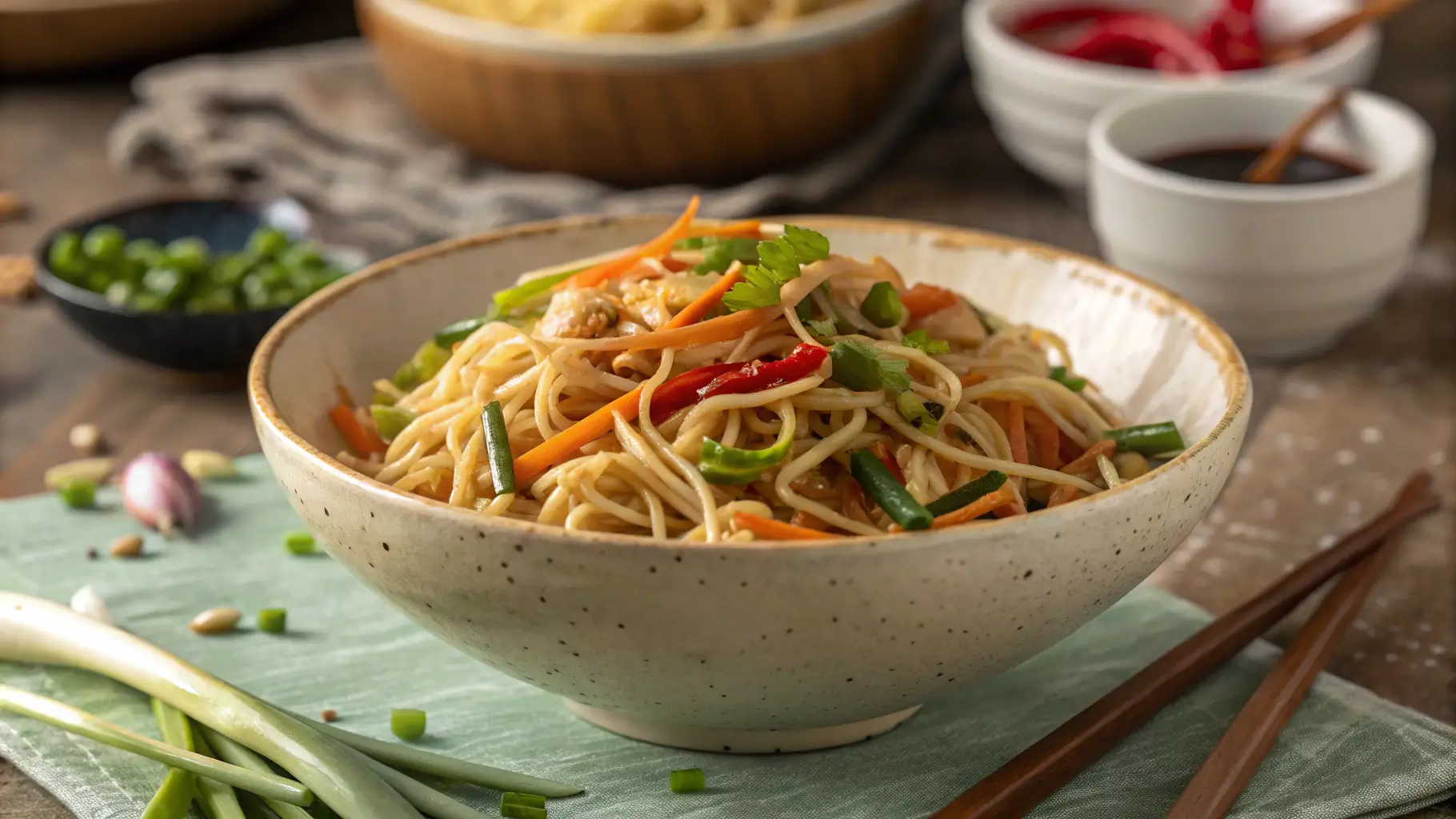
If you’ve been craving restaurant-style Hakka noodles at home, you’re in the right place. This easy Hakka noodles recipe delivers those perfectly tossed, flavorful Indo-Chinese noodles with crisp vegetables and a savory-spicy sauce that tastes just like your favorite takeout. Whether you’re making vegetable Hakka noodles for a quick weeknight dinner or preparing a crowd-pleasing dish for gatherings, this recipe comes together in just 20 minutes with simple ingredients you likely already have in your pantry.
Hakka noodles are a beloved Indo-Chinese dish featuring stir-fried noodles tossed with colorful vegetables in a wok over high heat. The result? Slightly charred, wonderfully chewy noodles with that signature “wok hei” (breath of the wok) flavor that makes every bite irresistible. Originally inspired by Chinese Hakka cuisine, this dish has been adapted beautifully to Indian tastes, becoming a staple at Chinese restaurants across India and beyond.
Why You’ll Love This Hakka Noodles Recipe
- Restaurant taste at home – Achieve that authentic Indo-Chinese flavor and texture without leaving your kitchen
- Ready in 20 minutes – Perfect for busy weeknights when you need dinner fast
- Customizable – Easily adjust vegetables, protein, and spice levels to your preference
- Budget-friendly – Uses affordable, everyday ingredients with no exotic items required
- Make-ahead friendly – Prep vegetables and sauce in advance for even quicker cooking
Ingredients for Hakka Noodles
For the Noodles:
- 200g (7 oz) Hakka noodles or any wheat noodles
- 6 cups water for boiling
- 1 tablespoon oil
- ½ teaspoon salt
For the Stir-Fry:
- 3 tablespoons vegetable oil or sesame oil
- 4-5 garlic cloves, finely chopped
- 1-inch ginger, julienned
- 2-3 green chilies, slit lengthwise (adjust to taste)
- 1 medium onion, thinly sliced
- 1 medium carrot, julienned
- ½ bell pepper (capsicum), thinly sliced
- ½ cup cabbage, shredded
- 4-5 green beans, sliced diagonally
- 3-4 spring onions (scallions), white and green parts separated, chopped
For the Sauce:
- 2 tablespoons soy sauce
- 1 tablespoon dark soy sauce (for color)
- 1 tablespoon vinegar (white or rice vinegar)
- 1 teaspoon chili sauce or sriracha (optional, for heat)
- ½ teaspoon sugar
- ½ teaspoon black pepper powder
- Salt to taste
Substitutions: Use rice noodles for a gluten-free version, or substitute any vegetables you have on hand like mushrooms, baby corn, or snap peas.
How to Make Hakka Noodles
Step 1: Cook the Noodles
Bring 6 cups of water to a rolling boil in a large pot. Add ½ teaspoon salt and 1 tablespoon oil. Add the Hakka noodles and cook according to package instructions (usually 3-4 minutes) until just tender but still firm (al dente). Drain immediately and rinse under cold running water to stop the cooking process. Drizzle with a teaspoon of oil and toss to prevent sticking. Set aside.
Tip: Don’t overcook the noodles they’ll continue cooking when stir-fried, and mushy noodles won’t hold up well.
Step 2: Prepare the Sauce
In a small bowl, mix together the soy sauce, dark soy sauce, vinegar, chili sauce, sugar, black pepper, and a pinch of salt. Keep this sauce mixture ready beside your stove for quick access.
Step 3: Heat Your Wok
Place a large wok or wide skillet over high heat. Let it get smoking hot this is crucial for authentic Hakka noodles. Add 3 tablespoons of oil and swirl to coat the wok.
Tip: High heat is essential for that slightly charred, smoky flavor. Don’t reduce the heat during stir-frying.
Step 4: Stir-Fry Aromatics
Add the chopped garlic, ginger, and slit green chilies. Stir-fry for 15-20 seconds until fragrant but not browned. The aromatics should sizzle immediately when they hit the hot oil.
Step 5: Add Vegetables
Toss in the sliced onions and the white parts of spring onions. Stir-fry for 1 minute on high heat. Add carrots, bell pepper, cabbage, and green beans. Stir-fry vigorously for 2-3 minutes, keeping the vegetables moving constantly. The vegetables should remain crisp and slightly charred at the edges.
Tip: Add vegetables in order of cooking time harder vegetables like carrots first, softer ones like cabbage later.
Step 6: Add Noodles and Sauce
Add the cooked noodles to the wok. Pour the prepared sauce over the noodles. Using two spatulas or wooden spoons, toss everything together continuously for 2-3 minutes, ensuring the noodles are evenly coated and heated through. The sauce should coat the noodles without making them soggy.
Step 7: Final Touch
Add the green parts of spring onions and give one final toss for 30 seconds. Taste and adjust seasoning with more soy sauce or salt if needed.
Step 8: Serve Hot
Transfer your homemade Hakka noodles to a serving plate immediately. Serve piping hot for the best flavor and texture.
Recipe Tips & Variations
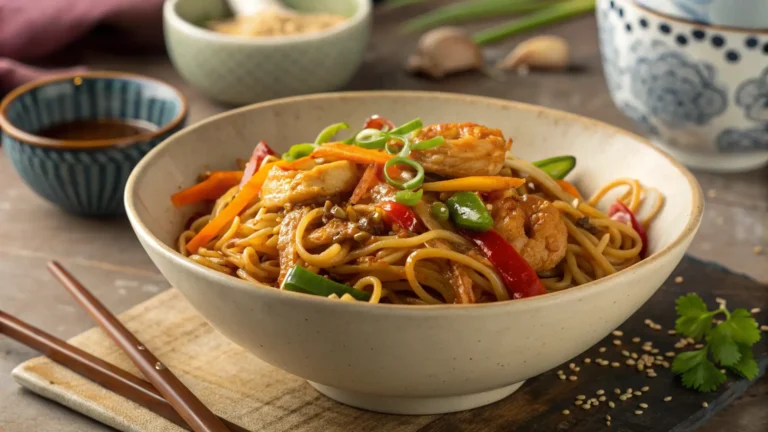
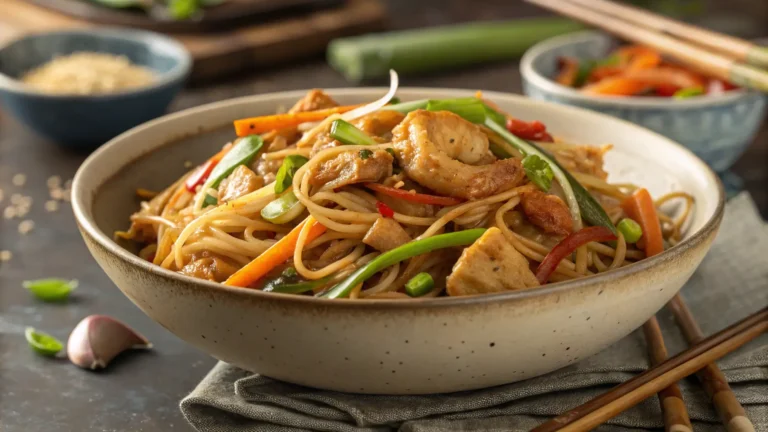
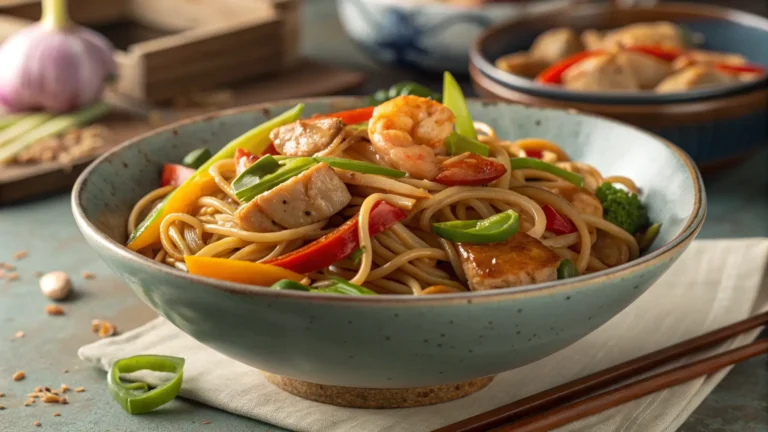
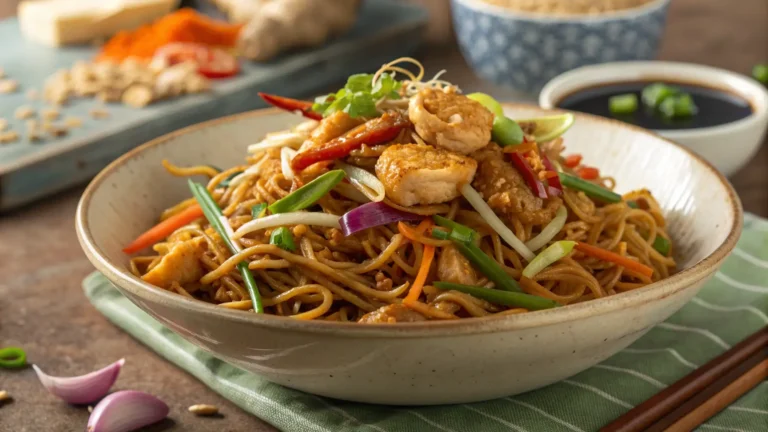
For Chicken Hakka Noodles: Add 200g diced chicken breast marinated in 1 tablespoon soy sauce. Cook the chicken first until golden, then set aside and add back with the noodles.
For Shrimp Hakka Noodles: Stir-fry 150g cleaned shrimp with garlic until pink, remove, then add back at the end.
For Egg Hakka Noodles: Scramble 2 eggs in the wok before adding vegetables, break into pieces, and set aside. Add back with noodles.
Spice Level: Increase green chilies or add red chili flakes for more heat. For mild noodles, skip the chilies entirely.
Gluten-Free Option: Use rice noodles or gluten-free soy sauce (tamari) for a celiac-friendly version.
Extra Vegetables: Add mushrooms, baby corn, snow peas, bok choy, or bean sprouts for more variety.
Sauce Variations: Add a teaspoon of oyster sauce for deeper umami flavor, or a dash of sesame oil for nuttiness.
Serving Suggestions
Hakka noodles taste best served immediately while hot and slightly crispy from the wok. Here are some delicious ways to enjoy them:
- As a main dish: Serve with a side of vegetable Manchurian, chili paneer, or gobi Manchurian for a complete Indo-Chinese meal
- With soup: Pair with hot and sour soup or sweet corn soup for a comforting combination
- With appetizers: Serve alongside spring rolls, vegetable momos, or crispy chili potatoes
- As a side: Enjoy with fried rice or pair with any curry-style gravy dish
- Garnishes: Top with extra spring onions, sesame seeds, or a squeeze of lime juice for brightness
Storage & Freezing Instructions
Room Temperature: Hakka noodles are best enjoyed fresh and don’t store well at room temperature. Consume within 2 hours of cooking if left out.
Refrigerator: Store leftover noodles in an airtight container in the refrigerator for up to 2 days. The texture may soften slightly upon storage.
Reheating: Reheat in a hot wok or skillet with a splash of oil to restore some of the original texture. Microwave reheating makes noodles soggy, so stovetop is recommended. You can also add a splash of soy sauce while reheating to refresh the flavors.
Freezing: While not ideal, you can freeze cooked Hakka noodles for up to 1 month in a freezer-safe container. Thaw overnight in the refrigerator and reheat in a hot wok. The texture won’t be quite as good as fresh, but the flavor remains tasty.
Make-Ahead Tip: Cook and prepare all ingredients in advance. Store cooked noodles, chopped vegetables, and sauce separately. When ready to eat, the actual stir-frying takes just 5-7 minutes.
Nutrition Information (Per Serving)
- Calories: 320-350 kcal
- Carbohydrates: 48g
- Protein: 8g
- Fat: 12g
- Fiber: 4g
- Sodium: 800mg
Nutrition facts are approximate and based on one serving (recipe serves 3-4). Values may vary based on specific ingredients used.
Conclusion
This homemade Hakka noodles recipe proves you don’t need takeout to enjoy delicious Indo-Chinese food. With just 20 minutes and simple ingredients, you can create restaurant-quality noodles right in your own kitchen. The secret lies in high heat, quick cooking, and not overcooking the noodles or vegetables. Once you master this basic recipe, feel free to experiment with different vegetables, proteins, and spice levels to make it your own.
Whether you’re cooking for your family, meal-prepping for the week, or impressing guests with your wok skills, these vegetable Hakka noodles are guaranteed to be a hit. The combination of savory-spicy flavors, crisp vegetables, and perfectly cooked noodles creates a dish that’s both satisfying and addictive.
Give this recipe a try and let me know how it turns out! Drop a comment below with your variations, share a photo of your creation, or tag me on social media. I’d love to hear which vegetables you added or how you customized the spice level. Happy cooking!
Frequently Asked Questions (FAQs)
Can I use different types of noodles for Hakka noodles?
Yes! While traditional Hakka noodles use wheat-based egg noodles, you can substitute with rice noodles, udon noodles, ramen noodles, or even spaghetti in a pinch. Adjust cooking times based on the noodle type. For authentic taste and texture, look for fresh or dried Hakka-style noodles at Asian grocery stores. Rice noodles make an excellent gluten-free alternative but require gentler handling as they’re more delicate.
Can I make Hakka noodles ahead of time?
While Hakka noodles taste best fresh from the wok, you can definitely prep components ahead. Cook the noodles up to 6 hours in advance, toss with oil, and refrigerate. Chop all vegetables and prepare the sauce the night before. Store everything separately. When ready to serve, the actual stir-fry takes just 5-7 minutes. Fully cooked noodles can be refrigerated for 1-2 days and reheated in a hot wok, though the texture won’t be quite as crispy as freshly made.
Why are my Hakka noodles sticky or clumpy?
Sticky noodles usually result from three issues: overcooking the noodles initially, not rinsing them after boiling, or not coating them with oil. Always cook noodles until just al dente, drain immediately, rinse under cold water to stop cooking and remove excess starch, then toss with a bit of oil. When stir-frying, ensure your wok is very hot and keep the noodles moving constantly. Adding noodles to a cool wok causes them to stick and clump together.
Can I make this recipe without soy sauce?
While soy sauce is essential for authentic Hakka noodles flavor, you can substitute with tamari (gluten-free soy sauce), coconut aminos for a soy-free option, or liquid aminos. Keep in mind that alternatives may change the flavor profile slightly. You’ll need to adjust salt levels as coconut aminos are less salty than traditional soy sauce. There’s no perfect substitute that replicates soy sauce’s unique umami depth, but these alternatives work reasonably well.
What vegetables work best in Hakka noodles?
The beauty of Hakka noodles is their versatility. Classic choices include cabbage, carrots, bell peppers, green beans, and spring onions. You can also add mushrooms, baby corn, broccoli, snap peas, bok choy, bean sprouts, or zucchini. Choose vegetables that stay crisp when stir-fried and add them in order of cooking time harder vegetables first, softer ones later. Aim for a colorful mix of 4-6 different vegetables for the best visual appeal and nutritional balance.
Can I add protein to vegetable Hakka noodles?
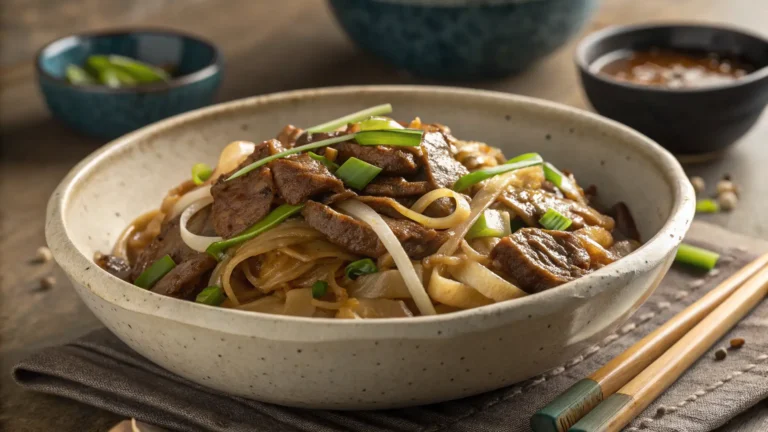
Absolutely! Hakka noodles are incredibly versatile and pair well with various proteins. Add diced chicken, shrimp, beef strips, or pork before the vegetables. For vegetarian protein, add scrambled eggs, crumbled paneer, tofu cubes, or edamame. Cook the protein first until done, set aside, then add back when tossing with noodles. This prevents overcooking and ensures everything is perfectly cooked. Each protein adds its own unique flavor and makes the dish more substantial and filling.