Xiao Long Bao (Soup Dumplings) – Delicate, Juicy & Authentic Homemade Recipe
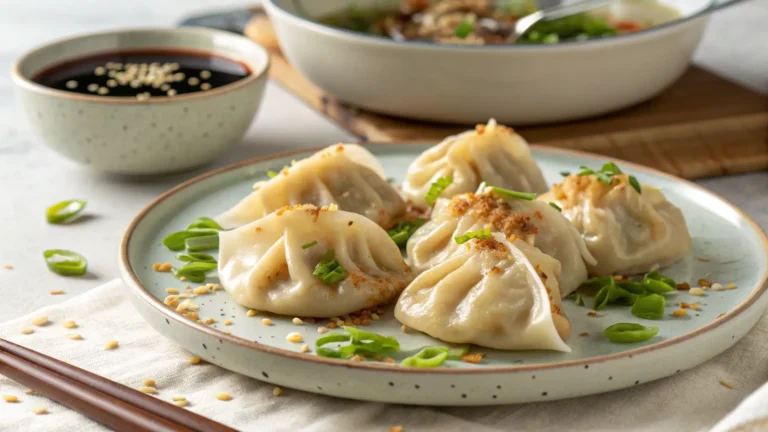
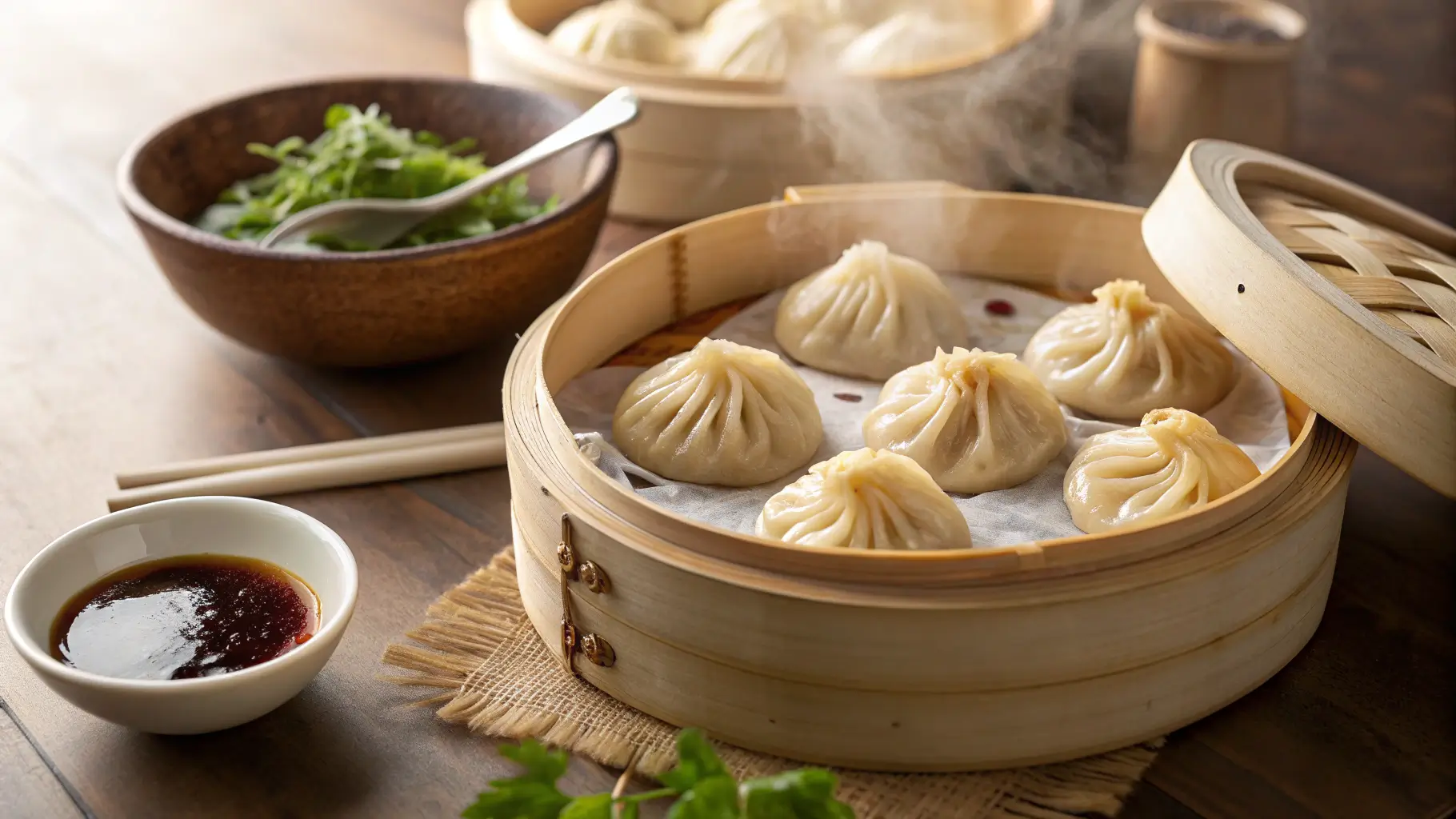
There’s something magical about biting into a perfectly steamed xiao long bao and experiencing that burst of hot, savory broth followed by tender pork filling. These delicate Chinese soup dumplings, originating from Shanghai, have captivated food lovers worldwide with their paper-thin wrappers and flavorful soupy center. While xiao long bao may seem intimidating to make at home, this detailed recipe breaks down each step so you can create restaurant-quality soup dumplings in your own kitchen. The secret lies in creating a gelatinized broth that melts into liquid when steamed, creating that signature juicy experience that makes xiao long bao so irresistible.
Why You’ll Love This Recipe
- Restaurant-quality results at home – Achieve those delicate, pleated dumplings with incredibly thin wrappers that professionals make
- Authentic flavor profile – The pork and ginger filling combined with rich pork bone broth creates genuine Shanghai-style taste
- Impressive yet achievable – While it requires patience, the technique is straightforward enough for dedicated home cooks
- Freezer-friendly – Make a large batch and freeze for quick dim sum-style meals anytime
- Customizable filling – Adapt the recipe with different proteins or add crab for a luxurious variation
Ingredients
For the Gelatinized Broth (Aspic):
- 2 pounds pork skin or chicken feet
- 8 cups water
- 3 slices fresh ginger
- 2 green onions
- 2 tablespoons Shaoxing wine
- 1 teaspoon salt
For the Dumpling Filling:
- 1 pound ground pork (preferably 20% fat content)
- 1/4 cup grated fresh ginger
- 3 tablespoons soy sauce
- 2 tablespoons Shaoxing wine
- 1 tablespoon sesame oil
- 1 teaspoon sugar
- 1/2 teaspoon white pepper
- 3 tablespoons finely chopped green onions
- 1 cup chilled gelatinized broth, diced into small cubes
For the Dumpling Wrappers:
- 2 cups all-purpose flour
- 3/4 cup boiling water
- Pinch of salt
- Extra flour for dusting
For Serving:
- Black vinegar (Chinkiang vinegar)
- Julienned fresh ginger
- Soy sauce (optional)
How to Make Xiao Long Bao
Step 1: Prepare the Gelatinized Broth (Do This a Day Ahead)
Start by making the aspic, which is crucial for creating the soup inside your xiao long bao. In a large pot, combine pork skin or chicken feet with water, ginger, green onions, Shaoxing wine, and salt. Bring to a boil, then reduce heat to low and simmer uncovered for 3-4 hours until the liquid reduces by half and becomes gelatinous when cooled. Strain the broth into a shallow container, discarding solids, and refrigerate overnight until firmly set. The next day, you’ll have a jiggly, firm gel that can be diced into small cubes.
Step 2: Make the Dumpling Wrappers
In a large mixing bowl, place the flour and salt. Pour the boiling water over the flour while stirring quickly with chopsticks or a fork. Once cool enough to handle, knead the dough for 8-10 minutes until smooth and elastic. Cover with a damp towel and let rest for 30 minutes. This hot water dough creates the tender, slightly translucent wrappers characteristic of authentic xiao long bao.
Step 3: Prepare the Filling
In a large bowl, combine ground pork with grated ginger, soy sauce, Shaoxing wine, sesame oil, sugar, and white pepper. Mix vigorously in one direction for 3-4 minutes until the mixture becomes sticky and holds together (this helps create the right texture). Fold in the chopped green onions and diced gelatinized broth cubes gently. Keep the filling refrigerated until ready to use—this prevents the aspic from melting prematurely.
Step 4: Roll Out the Wrappers
Divide the rested dough into two portions. Roll one portion into a long rope about 1/2 inch in diameter, keeping the other covered. Cut the rope into small pieces (about 10 grams each). Working with one piece at a time, flatten it slightly with your palm, then use a small rolling pin to roll it into a thin circle about 3-3.5 inches in diameter. The key technique: keep the edges thinner than the center, which helps prevent the bottom from breaking during steaming. Aim for wrappers so thin you can almost see through them.
Step 5: Fill and Pleat the Dumplings
Place a wrapper in your non-dominant hand. Add about 1 tablespoon of filling to the center. Using your dominant hand, start pleating the edge of the wrapper, making 18-20 small pleats as you rotate the dumpling. Pinch the pleats together at the top and give a slight twist to seal. The more pleats you can achieve, the more authentic your xiao long bao will look. Don’t worry if your first few aren’t perfect—you’ll improve quickly with practice.
Step 6: Steam the Dumplings
Line a bamboo steamer basket with parchment paper or napa cabbage leaves to prevent sticking. Arrange dumplings with at least 1 inch of space between them (they’ll expand slightly). Bring water to a rolling boil in your steamer base, then place the basket over the water. Steam over high heat for 8-10 minutes until the wrappers become translucent and the filling is cooked through. The aspic will have melted into delicious soup by this point.
Step 7: Serve Immediately
Carefully transfer the hot xiao long bao to small plates or a traditional steamer basket. Serve immediately with black vinegar and julienned ginger on the side.
Recipe Tips & Variations
Getting the Wrapper Thickness Right: This is the most challenging aspect of making xiao long bao. Practice rolling wrappers as thin as possible without tearing—they should be almost translucent. If they’re too thick, the dumpling will be doughy rather than delicate.
Crab and Pork Variation: For luxurious crab and pork xiao long bao, replace 1/4 pound of the ground pork with fresh crab meat. This Shanghainese variation is incredibly flavorful.
Vegetarian Version: Replace pork with finely chopped shiitake mushrooms, wood ear mushrooms, and firm tofu. Use vegetable-based gelatin broth made from kombu and shiitake mushrooms.
Chicken Option: Ground chicken or turkey can substitute for pork, though you’ll want to add an extra teaspoon of sesame oil for moisture since these proteins are leaner.
Spicier Dumplings: Add 1-2 teaspoons of chili oil or finely minced fresh chilies to the filling for a spicy kick.
Store-Bought Wrapper Shortcut: While homemade wrappers provide superior texture, you can use store-bought round dumpling wrappers in a pinch. Look for thin Shanghai-style wrappers if available.
Serving Suggestions
The traditional way to eat xiao long bao requires a specific technique: gently pick up the dumpling by the pleated top with chopsticks or a spoon, take a small bite to release the hot soup (be careful—it’s scalding!), add a bit of black vinegar and ginger, then enjoy the rest of the dumpling.
Serve your soup dumplings as part of a dim sum spread alongside:
- Steamed shrimp dumplings (har gow)
- Pan-fried potstickers
- Chinese broccoli with oyster sauce
- Hot and sour soup
- Jasmine or oolong tea
For a complete meal, serve 6-8 xiao long bao per person along with a light vegetable side dish and soup.
Storage & Freezing Instructions
Refrigeration: Uncooked xiao long bao can be stored on a parchment-lined tray in the refrigerator, covered loosely with plastic wrap, for up to 24 hours. Steam directly from refrigerated without thawing.
Freezing (Highly Recommended): Arrange uncooked dumplings on a parchment-lined baking sheet without touching. Freeze until solid (about 2 hours), then transfer to freezer bags. They’ll keep for up to 3 months. Steam frozen dumplings directly without thawing—just add 2-3 extra minutes to the cooking time.
Cooked Dumplings: These don’t store well once cooked, as the wrappers become soggy and the soup quality diminishes. Always steam only what you plan to eat immediately.
Leftover Filling: The pork mixture can be refrigerated for up to 2 days or frozen for up to 1 month. Let it come to room temperature before using.
Nutrition Information (Per 4 Dumplings)
- Calories: 320
- Protein: 18g
- Carbohydrates: 28g
- Fat: 14g
- Sodium: 580mg
Note: Nutrition information is approximate and will vary based on specific ingredients used.
Conclusion
Making xiao long bao at home is a labor of love that rewards you with some of the most delicious and impressive dumplings you’ll ever taste. While the process requires time and patience—especially when making the gelatinized broth and rolling ultra-thin wrappers—the result is absolutely worth the effort. That first bite into a homemade soup dumpling, with its burst of savory broth and tender filling, is a moment of pure culinary triumph.
Don’t be discouraged if your first batch isn’t perfect. Even experienced cooks continue refining their pleating technique and wrapper thickness. The beauty of this recipe is that even imperfectly shaped xiao long bao still taste incredible!
Have you tried making soup dumplings at home? Share your experience, tips, or questions in the comments below. And if you love this recipe, please consider sharing it with fellow dumpling enthusiasts!
Frequently Asked Questions (FAQs)
Can I skip making the gelatinized broth?
While you technically can make xiao long bao without the aspic, you won’t have the signature soup inside. The gelatinized broth is what melts into liquid during steaming, creating that iconic burst of hot soup. Without it, you’ll simply have regular steamed dumplings. If you’re short on time, some cooks use high-quality chicken or pork stock mixed with unflavored gelatin as a shortcut, though the flavor won’t be quite as rich.
Why do my xiao long bao leak or break during steaming?
Leaking usually happens for three reasons: wrappers that are too thin and tear easily, overfilling the dumplings, or inadequate sealing at the top. Make sure your pleats are tightly pinched together at the crown and give a gentle twist to seal. Also, ensure your filling isn’t too wet—excess liquid can make wrappers soggy and prone to breaking. Practice makes perfect with the pleating technique!
Can I make xiao long bao without a bamboo steamer?
Yes! While bamboo steamers are traditional and ideal, you can use a metal steamer basket, a colander set over boiling water, or even an Instant Pot with a steamer insert. The key is creating enough steam and preventing the dumplings from sticking to the surface. Always line whatever steaming vessel you use with parchment paper, cabbage leaves, or lightly oiled cloth.
How do I prevent the dumplings from sticking together?
Ensure there’s at least 1 inch of space between each dumpling in the steamer, as they expand slightly during cooking. Using parchment paper with holes poked in it or napa cabbage leaves as a steamer liner prevents sticking to the bottom. If freezing, make sure dumplings are completely frozen individually before storing them together in bags, otherwise they’ll stick to each other.
Can I use store-bought dumpling wrappers?
Yes, though the texture won’t be quite as delicate as homemade. Look for thin, round Shanghai-style dumpling wrappers (sometimes labeled as “soup dumpling wrappers”) at Asian grocery stores. These are specifically designed for xiao long bao and are thinner than regular dumpling wrappers. If using store-bought wrappers, you may want to roll them slightly thinner before filling.
What’s the best meat-to-fat ratio for the filling?
For juicy, flavorful xiao long bao, use ground pork with about 20% fat content. Leaner meat will result in dry, less flavorful dumplings. If you can only find lean pork, ask your butcher to grind in some pork fat, or mix in a small amount of finely minced pork belly. The fat content is crucial for creating that rich, satisfying filling that complements the soup.