Century Egg Congee – Silky, Savory & Comfort in a Bowl
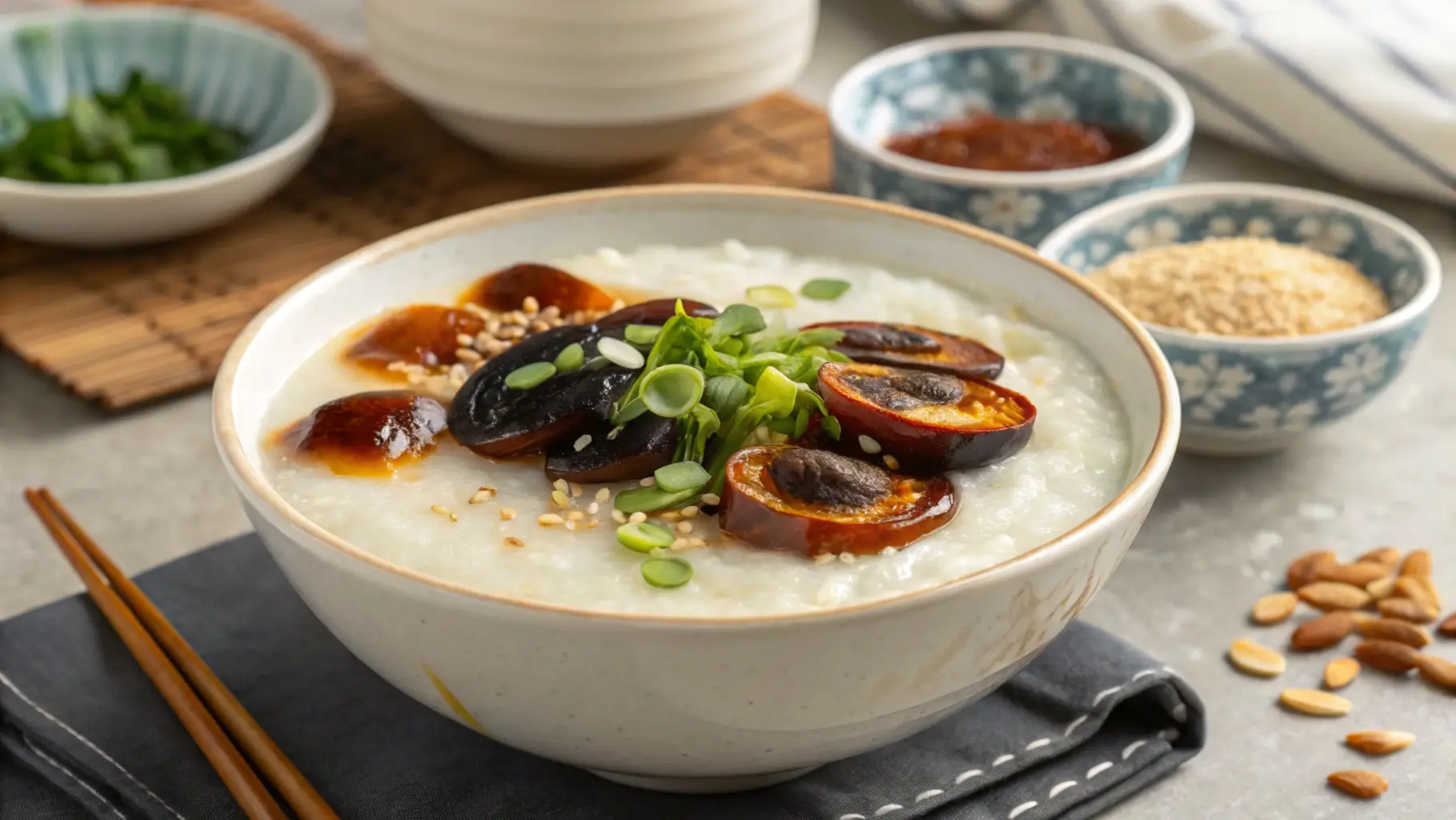
There’s something deeply comforting about a steaming bowl of century egg congee. This classic Chinese rice porridge combines tender, slow-cooked rice with the rich, creamy texture of century eggs (also known as preserved eggs or pidan), creating a silky, savory breakfast or light meal that warms you from the inside out. Whether you’re feeling under the weather, craving something gentle on the stomach, or simply want to experience authentic Asian comfort food, this century egg congee recipe delivers nourishing flavor with minimal fuss. The distinctive umami depth of the preserved eggs transforms simple rice porridge into something truly special.
Why You’ll Love This Recipe
- Incredibly soothing and easy to digest – perfect for breakfast, late-night comfort, or when you’re feeling unwell
- Simple ingredients with complex flavor – the century eggs add a unique, savory richness you won’t find in plain congee
- Endlessly customizable – top with your favorite garnishes from crispy shallots to fresh ginger
- Make-ahead friendly – congee reheats beautifully and actually improves in flavor overnight
- Budget-friendly comfort food – uses pantry staples and affordable ingredients to feed a crowd
Ingredients
For the Congee Base:
- 1 cup jasmine rice (or any medium or short-grain white rice)
- 10 cups water or chicken stock (stock adds richer flavor)
- 1-inch piece fresh ginger, sliced
- 1 teaspoon salt (adjust to taste)
- 1 tablespoon neutral oil (vegetable or canola)
For the Century Eggs:
- 2–3 century eggs (preserved duck or chicken eggs)
- Optional: 1–2 salted duck eggs for extra richness
Toppings & Garnishes:
- 2 green onions, thinly sliced
- Fresh cilantro, chopped
- Crispy fried shallots or garlic
- Sesame oil (a few drops)
- White pepper, to taste
- Soy sauce or light soy sauce
- Chili oil or fresh chilies (for heat)
- Youtiao (Chinese fried dough) for dipping
Substitutions: Use brown rice for a nuttier flavor (cooking time will increase). Vegetable broth works for a lighter, vegetarian version.
How to Make Century Egg Congee
Step 1: Rinse and Prepare the Rice
Rinse 1 cup of jasmine rice under cold water until the water runs clear. This removes excess starch and prevents the congee from becoming too gummy. Drain well and transfer to a large pot.
Step 2: Start Cooking the Congee Base
Add 10 cups of water or chicken stock to the pot with the rice. Stir in the sliced ginger, 1 teaspoon of salt, and 1 tablespoon of oil (the oil helps create a silkier texture). Bring to a boil over high heat, then immediately reduce to a gentle simmer.
Step 3: Simmer Until Creamy
Let the rice simmer uncovered for 45–60 minutes, stirring occasionally to prevent sticking. The rice should break down completely, creating a thick, porridge-like consistency. If the congee becomes too thick, add more water or stock until you reach your desired consistency—some prefer it soupy, others like it thick and creamy.
Tip: For an even creamier texture, use an immersion blender to partially blend the congee, or vigorously stir in one direction for 2–3 minutes.
Step 4: Prepare the Century Eggs
While the congee simmers, peel the century eggs carefully (they can be delicate). Rinse under cold water to remove any residue. Cut each egg into quarters or small wedges. If using salted duck eggs, separate the yolk from the white—the yolk is where most of the flavor concentrates.
Step 5: Add the Century Eggs
About 5–10 minutes before serving, gently fold the century egg pieces into the congee. This allows them to warm through and infuse their distinctive umami flavor into the porridge. If using salted egg yolks, mash them slightly and stir in during the last few minutes.
Step 6: Season and Serve
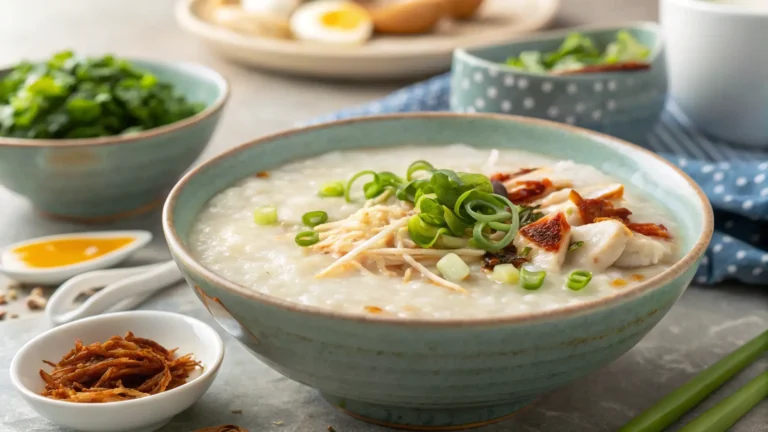
Taste and adjust seasoning with more salt if needed. Ladle the century egg congee into bowls and top generously with sliced green onions, cilantro, a drizzle of sesame oil, white pepper, and crispy fried shallots. Serve immediately with soy sauce and chili oil on the side.
Recipe Tips & Variations
For Extra Richness: Add 4–6 ounces of ground pork during Step 2. Brown the meat first, then add it to the pot with the rice. The pork adds protein and creates a heartier congee.
Texture Preference: Like your congee thinner? Add water throughout cooking. Prefer it thick and spoonable? Use less liquid or cook longer until it reaches your desired consistency.
Flavor Boost: A small piece of dried scallop or a few dried shiitake mushrooms added at the beginning will deepen the umami profile significantly.
Quick Congee Method: Use day-old cooked rice and simmer with stock for just 20–25 minutes, breaking it down with vigorous stirring. This shortcut version is perfect for busy mornings.
Vegetarian Version: Skip the meat, use vegetable broth, and add more ginger for warmth. Consider topping with sautéed mushrooms for an earthy element.
Cantonese-Style: Add a handful of dried scallops or seafood during cooking, and finish with thinly sliced raw fish that cooks in the hot congee just before serving.
Serving Suggestions
Century egg congee is traditionally enjoyed as a warming breakfast, but it makes an excellent light lunch or dinner too. Serve it alongside:
- Youtiao (Chinese crullers) – these crispy fried dough sticks are perfect for dipping into the congee
- Pickled vegetables – the tangy crunch provides nice contrast to the creamy porridge
- Tea eggs – for an all-egg feast with varied flavors and textures
- Steamed buns – for a more substantial meal
- Hot tea – jasmine or oolong tea pairs beautifully with this savory dish
The congee is best enjoyed hot, with all your favorite toppings arranged in small dishes so everyone can customize their bowl.
Storage & Freezing Instructions
Refrigerator: Store leftover century egg congee in an airtight container in the fridge for up to 4 days. The congee will thicken considerably as it cools—this is normal. When reheating, add water or stock (about ½ cup per serving) and stir over medium heat until smooth and hot.
Freezer: Congee freezes well for up to 2 months. Freeze in individual portions for easy reheating. However, add the century eggs fresh after reheating rather than freezing them with the congee, as their texture can become slightly rubbery when frozen.
Reheating: Reheat on the stovetop over medium heat, adding liquid as needed and stirring frequently. Microwave individual portions for 2–3 minutes, stirring halfway through. Always reheat until piping hot throughout.
Nutrition Information (Per Serving)
Approximate values for 1 bowl (about 1½ cups):
- Calories: 220–250
- Protein: 8g
- Carbohydrates: 38g
- Fat: 5g
- Fiber: 1g
- Sodium: 480mg
Note: Nutrition varies based on toppings and whether you use water or stock.
Conclusion
This century egg congee recipe brings authentic Chinese comfort food right to your kitchen. The creamy, savory porridge paired with the distinctive richness of preserved eggs creates a bowl of pure satisfaction that’s nourishing for both body and soul. Whether you’re new to century eggs or a longtime fan, this congee is remarkably simple to make and endlessly adaptable to your taste preferences.
Give this recipe a try and discover why congee has been a beloved staple across Asia for centuries. Don’t forget to experiment with your favorite toppings and let me know how yours turns out in the comments below! If you loved this recipe, share it with friends who appreciate real comfort food.
Frequently Asked Questions (FAQs)
Can I use a rice cooker or Instant Pot to make century egg congee?
Yes! For a rice cooker, use the “porridge” setting with a 1:10 rice-to-liquid ratio. In an Instant Pot, use the same ratio and cook on high pressure for 20 minutes, then natural release for 10 minutes. Both methods work beautifully and are even more hands-off than stovetop cooking.
What exactly are century eggs and where can I buy them?
Century eggs (pidan) are preserved duck or chicken eggs cured in a mixture of clay, ash, salt, and lime for several weeks. Despite the name, they’re not actually 100 years old! The whites turn dark brown and jelly-like, while the yolk becomes creamy and gray-green. Find them at Asian grocery stores, usually in the refrigerated or shelf-stable egg section. They’re safe to eat and have a distinctive, rich umami flavor.
Can I make this congee without century eggs?
Absolutely! While century eggs provide the signature flavor, you can make delicious plain congee (jook) and top it with regular boiled eggs, poached eggs, or go meatier with shredded chicken or pork. Each variation offers its own comforting appeal, though you’ll miss the unique depth that preserved eggs bring.
Why is my congee too watery or too thick?
Congee consistency is personal preference! If it’s too thick, simply add more water or stock ¼ cup at a time until you reach your desired texture. If too thin, continue simmering uncovered to evaporate excess liquid, or stir vigorously to break down the rice further, which naturally thickens the porridge.
How do I know when the congee is done cooking?
Your century egg congee is ready when the rice grains have completely broken down and the mixture is creamy and porridge-like. You shouldn’t see distinct rice grains—instead, the congee should look smooth and velvety. This typically takes 45–60 minutes of gentle simmering, though cooking time can vary based on your rice type and desired thickness.
Can I add other proteins to this congee?
Definitely! Ground pork, shredded chicken, sliced fish, or even seafood like shrimp work wonderfully. Add heartier proteins like pork at the beginning of cooking. Delicate proteins like fish or shrimp should go in during the last 10 minutes so they don’t overcook. The combination of century eggs with meat creates an incredibly satisfying, protein-rich meal.