Chicken Chow Mein: The Ultimate Homemade Recipe for Crispy Noodles & Tender Chicken
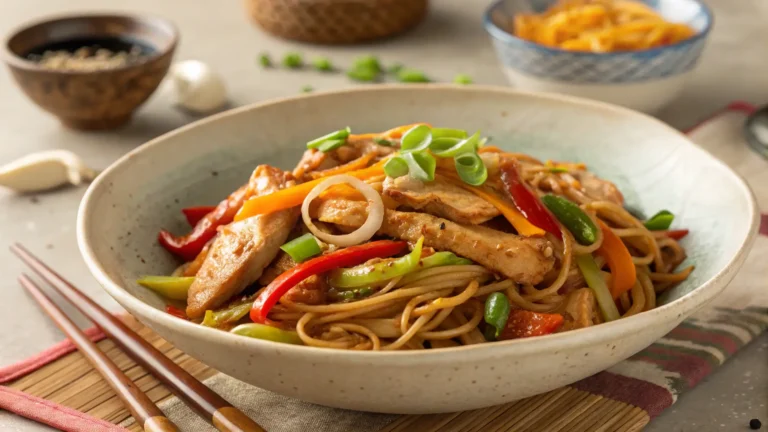
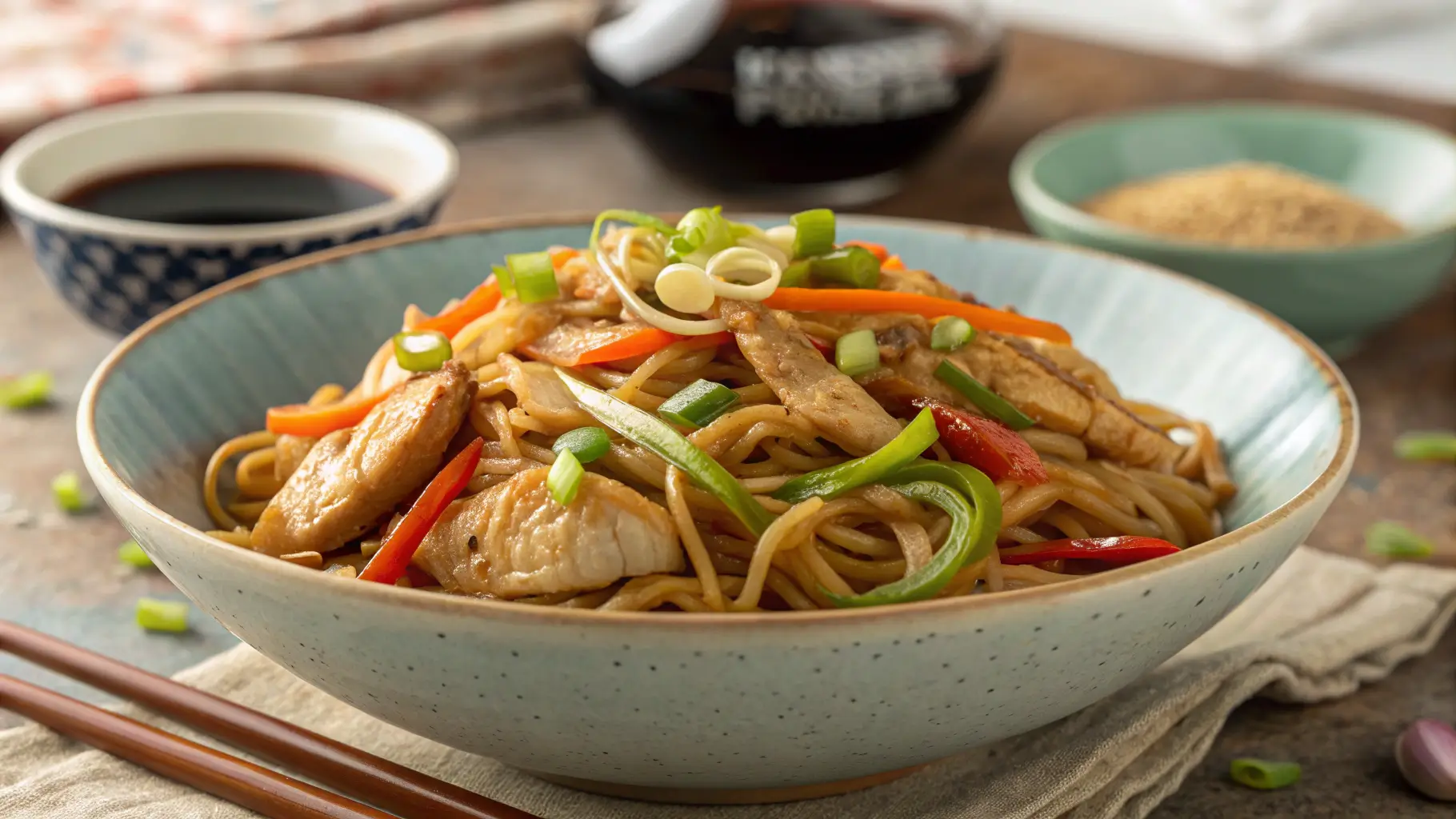
There’s something irresistibly satisfying about a steaming plate of Chicken Chow Mein with perfectly crispy noodles, tender chicken, and colorful vegetables tossed in a savory sauce. This classic Chinese-American takeout favorite is easier to make at home than you might think, and the results rival any restaurant version. Whether you’re craving a quick weeknight dinner or looking to impress guests with your stir-fry skills, this homemade Chicken Chow Mein delivers authentic flavor with simple ingredients you probably already have in your pantry. The combination of crunchy cabbage, sweet bell peppers, and succulent chicken pieces coated in a glossy soy-based sauce makes every bite absolutely delicious.
Why You’ll Love This Chicken Chow Mein Recipe
- Restaurant-quality at home – Save money and customize flavors to your exact preference without leaving your kitchen
- Ready in 30 minutes – From prep to plate, this stir-fry comes together faster than delivery
- Loaded with vegetables – Pack in nutrition with colorful veggies while keeping it delicious
- Perfectly crispy noodles – Learn the secret to achieving that signature golden-brown crunch
- Meal prep friendly – Makes excellent leftovers and can be prepared in advance for busy weeknights
Ingredients
For the Chicken Marinade:
- 1 pound boneless, skinless chicken breast or thighs, thinly sliced
- 2 tablespoons soy sauce
- 1 tablespoon cornstarch
- 1 teaspoon sesame oil
For the Chow Mein:
- 8 ounces fresh or dried chow mein noodles (or substitute thin spaghetti)
- 3 tablespoons vegetable oil, divided
- 1 medium onion, thinly sliced
- 3 cloves garlic, minced
- 1 tablespoon fresh ginger, minced
- 2 cups cabbage, shredded
- 1 large carrot, julienned
- 1 bell pepper (any color), thinly sliced
- 1 cup bean sprouts (optional)
- 2 green onions, sliced
For the Sauce:
- 3 tablespoons soy sauce
- 2 tablespoons oyster sauce
- 1 tablespoon dark soy sauce (for color)
- 1 tablespoon hoisin sauce
- 1 teaspoon sugar
- 1 teaspoon sesame oil
- ¼ cup chicken broth or water
- 1 teaspoon cornstarch
How to Make Chicken Chow Mein
Step 1: Marinate the Chicken In a medium bowl, combine sliced chicken with 2 tablespoons soy sauce, 1 tablespoon cornstarch, and 1 teaspoon sesame oil. Mix well and let marinate for 15-20 minutes while you prep the vegetables. This step ensures tender, flavorful chicken with a velvety texture.
Step 2: Prepare the Noodles Cook chow mein noodles according to package directions until just al dente. Drain thoroughly and rinse with cold water to stop cooking. Toss with 1 tablespoon of vegetable oil to prevent sticking. For extra crispy noodles, spread them on a baking sheet and let air-dry for 10 minutes.
Step 3: Mix the Sauce In a small bowl, whisk together soy sauce, oyster sauce, dark soy sauce, hoisin sauce, sugar, sesame oil, chicken broth, and cornstarch until smooth. Set aside. Having your sauce ready before cooking ensures smooth stir-frying.
Step 4: Cook the Chicken Heat 1 tablespoon of vegetable oil in a large wok or skillet over high heat. Add marinated chicken in a single layer and cook for 3-4 minutes without stirring to develop a slight sear. Flip and cook another 2-3 minutes until fully cooked. Remove and set aside.
Step 5: Stir-Fry the Vegetables In the same wok, add another tablespoon of oil. Toss in onion, garlic, and ginger, stir-frying for 30 seconds until fragrant. Add cabbage, carrot, and bell pepper. Stir-fry for 3-4 minutes until vegetables are tender-crisp. The key is high heat and constant movement.
Step 6: Crisp the Noodles Push vegetables to the side of the wok. Add remaining oil to the center and spread noodles in an even layer. Let them sit undisturbed for 2-3 minutes to crisp up on the bottom. Flip and crisp the other side.
Step 7: Combine Everything Return chicken to the wok along with bean sprouts (if using). Pour the sauce over everything and toss vigorously for 1-2 minutes until the sauce coats all ingredients and thickens slightly. The noodles should be glossy and everything well combined.
Step 8: Finish and Serve Remove from heat and garnish with sliced green onions. Serve your Chicken Chow Mein immediately while the noodles are still crispy and everything is piping hot.
Recipe Tips & Variations
Protein Swaps: Substitute chicken with shrimp, beef, pork, or tofu. For vegetarian chow mein, use extra-firm tofu or simply add more vegetables like mushrooms and snap peas.
Noodle Options: If you can’t find chow mein noodles, use thin spaghetti, lo mein noodles, or even ramen noodles (discard the seasoning packet). Fresh noodles crisp better than dried.
Vegetable Variations: Feel free to add broccoli florets, snow peas, mushrooms, bok choy, or celery. Use whatever vegetables you have on hand—stir-fries are incredibly forgiving.
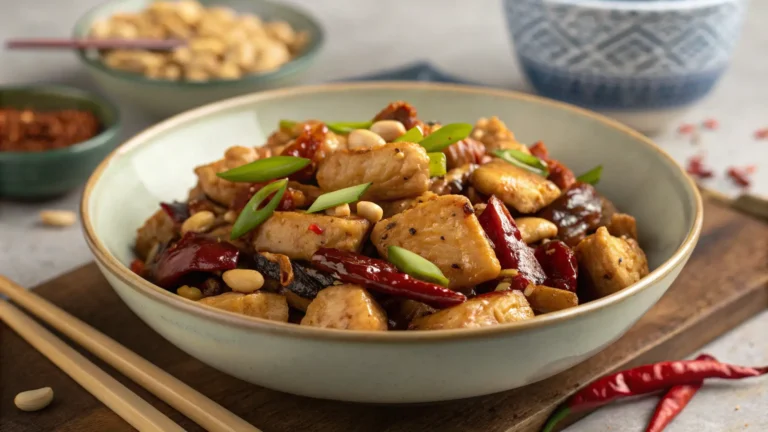
Spice It Up: Add 1-2 teaspoons of chili oil, sriracha, or red pepper flakes for a spicy kick. Fresh Thai chilies also work beautifully.
Extra Crispy Noodles: For maximum crispiness, cook noodles a day ahead and refrigerate them uncovered. The drying helps them crisp better when stir-fried.
Gluten-Free Option: Use gluten-free soy sauce (tamari) and rice noodles or gluten-free pasta.
Serving Suggestions
Chicken Chow Mein is a complete meal on its own, but it pairs wonderfully with:
- Appetizers: Serve alongside egg rolls, spring rolls, or pot stickers for a full Chinese takeout experience
- Soups: Start with hot and sour soup or egg drop soup
- Side dishes: Fried rice or steamed dumplings make excellent companions
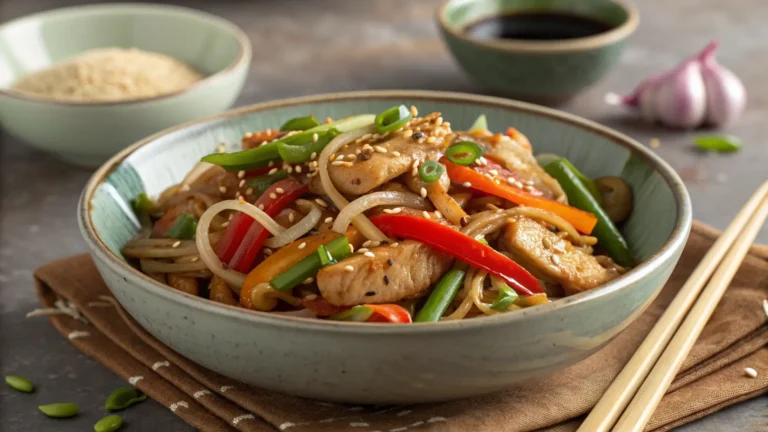
- Garnishes: Top with sesame seeds, extra green onions, or cilantro for added freshness
- Beverages: Pair with hot green tea, iced tea, or your favorite Asian beer
For family dinners, serve the chow mein family-style in a large platter with chopsticks and small plates. The visual presentation of colorful vegetables and crispy noodles always impresses!
Storage & Freezing Instructions
Refrigerator: Store leftover Chicken Chow Mein in an airtight container in the refrigerator for up to 3-4 days. Note that the noodles will lose their crispiness but will still taste delicious.
Reheating: For best results, reheat in a large skillet or wok over medium-high heat with a splash of water or broth, stirring frequently until heated through. This method helps revive some crispiness. Alternatively, microwave in 1-minute intervals, stirring between each.
Freezing: While you can freeze chow mein for up to 2 months in freezer-safe containers, the noodles’ texture will change significantly. Thaw overnight in the refrigerator before reheating. For best quality, this dish is best enjoyed fresh.
Make-Ahead Tip: Prep all vegetables and marinate chicken up to 24 hours in advance. Store separately in the fridge, then cook when ready. The sauce can also be made ahead and refrigerated for up to 1 week.
Nutrition Information
Per Serving (approximately):
- Calories: 420
- Protein: 28g
- Carbohydrates: 45g
- Fat: 14g
- Fiber: 4g
- Sodium: 980mg
Nutrition values are approximate and will vary based on specific ingredients used and portion sizes.
Conclusion
Making Chicken Chow Mein at home is not only achievable but incredibly rewarding. Once you master this recipe, you’ll find yourself skipping takeout and whipping up this restaurant-quality dish in your own kitchen. The combination of textures—crispy noodles, tender chicken, and crunchy vegetables—all coated in that savory, slightly sweet sauce is simply unbeatable. Plus, you control the ingredients, sodium levels, and can customize it exactly how you like.
I hope this recipe becomes a regular in your dinner rotation! If you try it, please leave a comment below and let me know how it turned out. Don’t forget to rate the recipe and share photos on social media—I love seeing your creations! Happy cooking!
Frequently Asked Questions (FAQs)
Can I use different proteins instead of chicken? Absolutely! This chow mein recipe works beautifully with shrimp (cook for 2-3 minutes), thinly sliced beef or pork (cook 4-5 minutes), or cubed tofu (press and pan-fry until golden). You can also make a combination protein version with chicken and shrimp for extra variety.
Can I make Chicken Chow Mein ahead of time? While chow mein is best enjoyed fresh for optimal crispiness, you can prep all ingredients 24 hours in advance. Marinate chicken, chop vegetables, cook noodles, and mix the sauce separately. Store everything in the fridge, then stir-fry when ready to eat. The actual cooking takes only 15 minutes.
What’s the difference between chow mein and lo mein? Chow mein features crispy, pan-fried noodles with less sauce, creating a slightly crunchy texture. Lo mein uses softer noodles that are tossed (not fried) with more sauce, resulting in a wetter, softer dish. Both are delicious but have distinctly different textures.
Why are my noodles soggy instead of crispy? Soggy noodles usually result from excess moisture. Make sure to drain noodles thoroughly after cooking and toss with a bit of oil. Let them air-dry if possible. When stir-frying, use high heat and don’t overcrowd the pan—give noodles space to crisp. Avoid adding sauce too early.
Can I make this recipe without a wok? Yes! While a wok is ideal for high-heat stir-frying, a large skillet (12-inch or larger) works perfectly. The key is cooking in batches if necessary to avoid overcrowding, which steams food instead of frying it. Cast iron skillets are excellent alternatives as they retain heat well.
How can I make my Chicken Chow Mein less salty? Reduce the amount of soy sauce by half and add more chicken broth instead. Use low-sodium soy sauce and oyster sauce. You can also increase the vegetables and noodles to dilute the saltiness. Tasting and adjusting before combining everything helps you control the flavor perfectly.