Beef Chow Fun – Silky Rice Noodles with Tender Beef (Authentic Recipe)
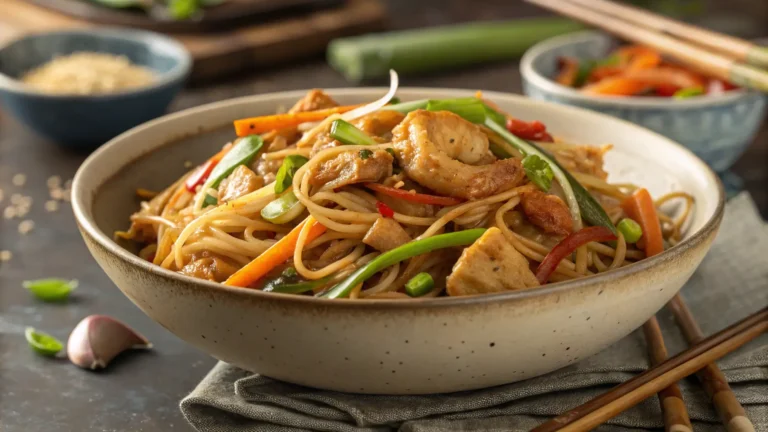
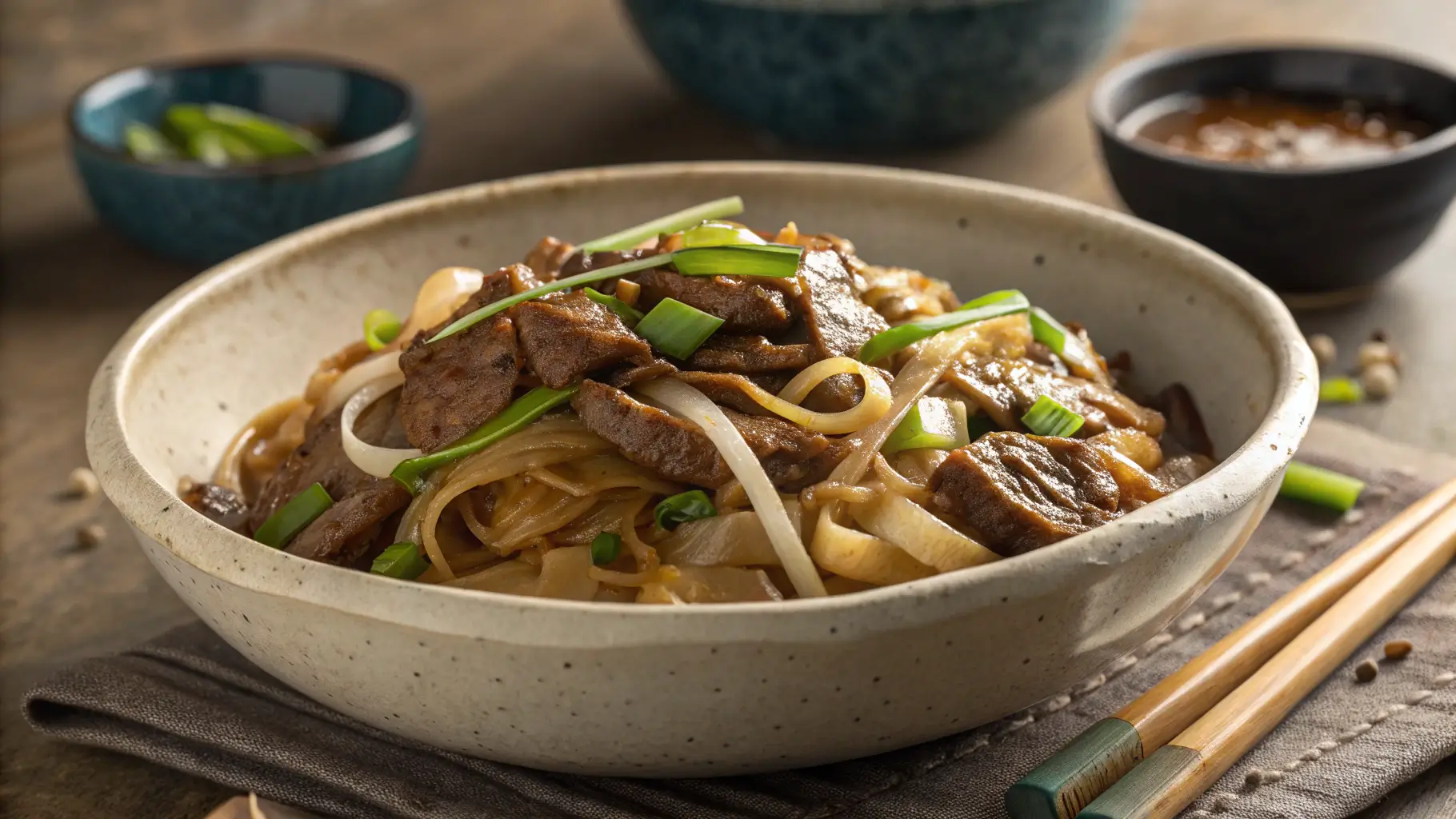
There’s something magical about a plate of perfectly cooked chow fun – those wide, silky rice noodles glistening with savory sauce, tender beef, and crisp vegetables. This classic Cantonese stir-fry dish, also known as beef chow fun or gon chow ngau ho, is a staple at dim sum restaurants and Chinese takeout menus worldwide. With its smoky “wok hei” (breath of the wok) flavor and satisfying texture, chow fun delivers restaurant-quality results right in your home kitchen. While it may seem intimidating, this beloved noodle dish is surprisingly simple when you understand a few key techniques. Today, I’m sharing an authentic recipe that brings tender marinated beef, fresh rice noodles, and crisp bean sprouts together in a harmonious stir-fry that’s ready in under 30 minutes.
Why You’ll Love This Chow Fun Recipe
- Restaurant flavor at home – Achieve that signature smoky, savory taste without needing professional equipment
- Quick weeknight dinner – From prep to plate in about 25 minutes, perfect for busy evenings
- Customizable protein and vegetables – Easily adapt with chicken, shrimp, or keep it vegetarian
- Budget-friendly – Uses simple, accessible ingredients that won’t break the bank
- Impressive presentation – Looks and tastes like you ordered takeout from your favorite spot
Ingredients
For the Beef Marinade:
- 12 oz flank steak or sirloin, thinly sliced against the grain
- 1 tablespoon soy sauce
- 1 tablespoon Shaoxing wine (or dry sherry)
- 1 teaspoon cornstarch
- 1 teaspoon sesame oil
- ½ teaspoon sugar
- 1 teaspoon vegetable oil
For the Noodles and Vegetables:
- 1 lb fresh wide rice noodles (ho fun noodles)
- 2 cups fresh bean sprouts
- 4 scallions, cut into 2-inch pieces
- 1 medium onion, thinly sliced
- 3 cloves garlic, minced
For the Sauce:
- 2 tablespoons light soy sauce
- 1 tablespoon dark soy sauce
- 1 tablespoon oyster sauce
- 1 teaspoon sugar
- ½ teaspoon white pepper
- 2 tablespoons water
For Cooking:
- 4 tablespoons vegetable oil (divided)
Substitutions: If fresh rice noodles aren’t available, use dried rice noodles (soak according to package directions). Tamari works for gluten-free versions, and hoisin sauce can substitute for oyster sauce.
How to Make Beef Chow Fun
Step 1: Marinate the Beef
In a medium bowl, combine sliced beef with soy sauce, Shaoxing wine, cornstarch, sesame oil, sugar, and vegetable oil. Mix thoroughly with your hands, ensuring each piece is coated. Let marinate for at least 15 minutes at room temperature while you prepare other ingredients. This tenderizes the meat and infuses it with flavor.
Step 2: Prepare the Rice Noodles
If your fresh rice noodles are refrigerated and stuck together, microwave them for 30-45 seconds to soften, then gently separate the strands with your hands. Be careful not to tear them. If using dried noodles, cook according to package instructions, drain, and toss with a little oil to prevent sticking.
Step 3: Mix the Sauce
In a small bowl, whisk together light soy sauce, dark soy sauce, oyster sauce, sugar, white pepper, and water. Having your sauce ready ensures quick cooking without burning. Set aside near your cooking station.
Step 4: Stir-Fry the Beef
Heat your wok or large skillet over high heat until smoking hot. Add 2 tablespoons of vegetable oil and swirl to coat. Add the marinated beef in a single layer and let it sear undisturbed for 30 seconds, then stir-fry for 1-2 minutes until just cooked through (about 70% done). Remove beef to a plate and set aside.
Step 5: Cook the Aromatics and Vegetables
Add 1 tablespoon of oil to the same wok. Toss in the onions and stir-fry for 1 minute until slightly softened. Add garlic and cook for 30 seconds until fragrant. Add scallions and bean sprouts, stir-frying for another minute. The vegetables should remain crisp.
Step 6: Combine Everything
Push vegetables to the side of the wok and add the remaining 1 tablespoon of oil to the center. Add the separated rice noodles and drizzle the prepared sauce over them. Using a spatula and chopsticks (or two spatulas), gently fold and toss the noodles with the sauce for 2-3 minutes. The noodles should take on a beautiful caramel color from the dark soy sauce.
Step 7: Final Assembly
Return the beef and any accumulated juices to the wok. Toss everything together for another 1-2 minutes until the beef is fully cooked and everything is well combined. Work quickly over high heat to achieve that characteristic smoky flavor.
Step 8: Serve Immediately
Transfer your beef chow fun to a serving platter and enjoy while hot. The noodles are at their best when served fresh from the wok.
Recipe Tips & Variations
Achieve Wok Hei at Home: The secret to authentic chow fun is high heat. Use the highest setting on your stove and work in batches if your wok isn’t large enough. A well-seasoned carbon steel wok works best, but a large cast-iron or stainless steel skillet can work too.
Noodle Handling: Fresh rice noodles are delicate. Separate them gently and avoid over-stirring once they’re in the wok. If they break a bit, that’s okay – it’s part of the home-cooked charm.
Protein Variations:
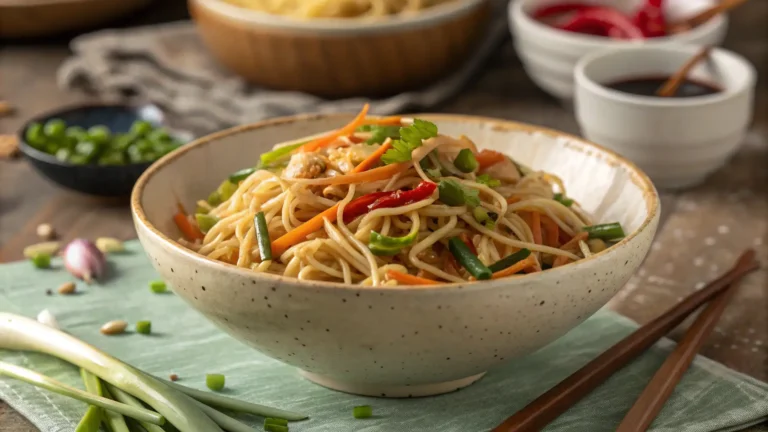
- Chicken Chow Fun: Substitute thinly sliced chicken breast or thigh
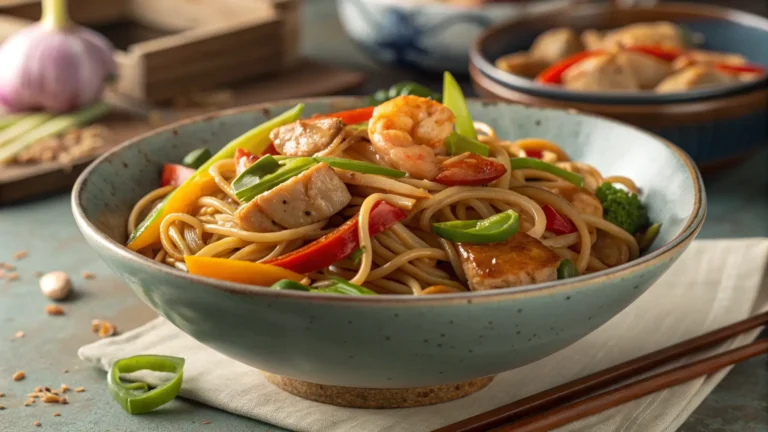
- Shrimp Chow Fun: Use 12 oz peeled, deveined shrimp
- Vegetable Chow Fun: Omit meat and add mushrooms, bok choy, and carrots
Spice It Up: Add 1-2 sliced Thai chilies or a teaspoon of chili oil for heat lovers.
Gluten-Free Option: Use tamari instead of soy sauce and ensure your oyster sauce is gluten-free or substitute with hoisin sauce.
Extra Vegetables: Try adding Chinese broccoli (gai lan), snow peas, or bell peppers for more color and nutrition.
Serving Suggestions
Beef chow fun is a complete meal on its own, but pairs beautifully with:
- Hot and sour soup or egg drop soup as a starter
- Spring rolls or pot stickers for a full Chinese feast
- A side of sautéed Chinese broccoli with garlic
- Jasmine tea or Chinese beer to cut through the richness
- Chili oil or sriracha on the side for extra heat
Serve immediately while the noodles are still glossy and the beef is tender. Garnish with extra sliced scallions or cilantro if desired.
Storage & Freezing Instructions
Refrigeration: Store leftover chow fun in an airtight container in the refrigerator for up to 3 days. Note that rice noodles will firm up and absorb sauce as they sit.
Reheating: The best method is to reheat in a hot wok or skillet with a splash of water or oil to revive the noodles. Microwave reheating works but may result in slightly tougher noodles. Heat in 1-minute intervals, stirring between, until warmed through.
Freezing: I don’t recommend freezing cooked chow fun as the rice noodles become mushy and lose their silky texture when thawed. However, you can freeze the marinated raw beef for up to 2 months and make the dish fresh when ready.
Make-Ahead Tip: Prep all ingredients – marinate beef, chop vegetables, mix sauce – up to 24 hours ahead. Store separately in the refrigerator, then stir-fry when ready to serve.
Nutrition Information
Per Serving (serves 4):
Approximately 420 calories | 48g carbohydrates | 24g protein | 14g fat | 3g fiber | 820mg sodium
Note: Nutrition values are estimates and will vary based on specific ingredients used.
Conclusion
Making authentic beef chow fun at home is easier than you might think! With a hot wok, fresh ingredients, and a little confidence, you can recreate that beloved takeout favorite in your own kitchen. The combination of silky rice noodles, tender marinated beef, and that signature smoky flavor makes this dish absolutely irresistible. Whether you’re cooking for weeknight dinner or impressing guests with your stir-fry skills, this chow fun recipe delivers every time.
Have you tried making chow fun before? I’d love to hear about your experience! Leave a comment below with your results, share your favorite variations, or let me know if you have any questions. Don’t forget to snap a photo and share it on social media – tag me so I can see your delicious creation!
Frequently Asked Questions (FAQs)
Q: Can I use dried rice noodles instead of fresh for chow fun?
A: Yes! While fresh rice noodles give the most authentic texture, dried rice noodles work well. Soak them in warm water for 15-20 minutes until softened but still slightly firm, then drain thoroughly before stir-frying. They won’t be quite as silky, but they’ll still be delicious.
Q: Why are my chow fun noodles sticky and clumped together?
A: Fresh rice noodles naturally stick when cold. Microwave them for 30-45 seconds to warm and soften before gently separating. Also ensure your wok is very hot and use enough oil to prevent sticking. Working quickly over high heat helps keep noodles separated and gives them that characteristic sheen.
Q: Can I make beef chow fun ahead of time?
A: While chow fun is best served fresh, you can prep all components ahead. Marinate the beef, chop vegetables, and mix the sauce up to 24 hours in advance. Store separately in the fridge, then stir-fry when ready to eat. The actual cooking takes only 10-15 minutes, making it perfect for quick assembly.
Q: What’s the difference between chow fun and chow mein?
A: Chow fun uses wide, flat rice noodles (ho fun) that are soft and silky, while chow mein uses thinner wheat-based egg noodles that are often crispier. Chow fun typically has a saucier, more tender texture, whereas chow mein can be either soft or crispy depending on preparation style.
Q: How do I get the smoky “wok hei” flavor at home?
A: The key is maximum heat! Preheat your wok until it’s smoking hot before adding oil. Work in small batches so ingredients sear rather than steam. A gas stove works better than electric for achieving authentic wok hei. If your stove isn’t powerful enough, you can add a tiny drop of sesame oil at the very end for a hint of that smoky flavor.
Q: Can I make vegetarian or vegan chow fun?
A: Absolutely! Omit the beef and add extra vegetables like mushrooms, bok choy, bell peppers, and snap peas. Replace oyster sauce with vegetarian oyster sauce (made from mushrooms) or hoisin sauce for vegan versions. Add firm tofu or tempeh for protein if desired. The cooking method remains exactly the same!