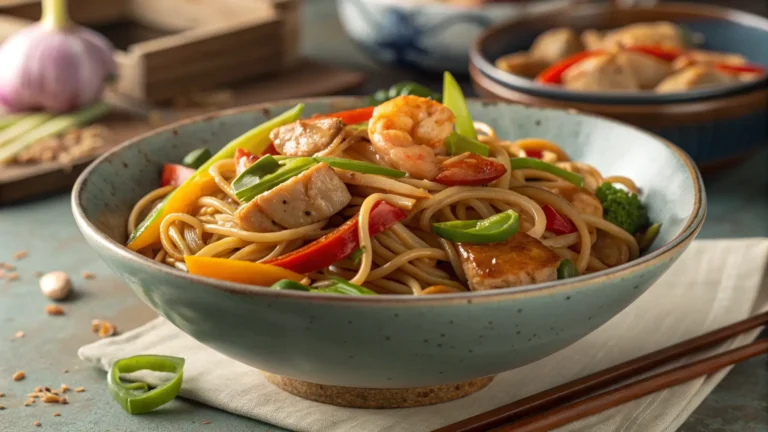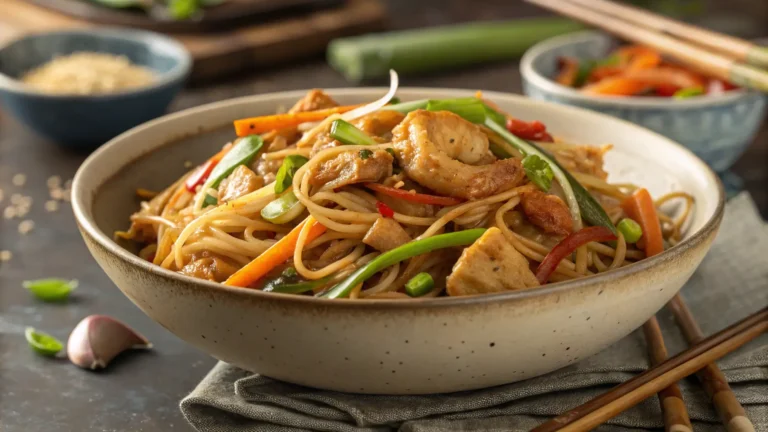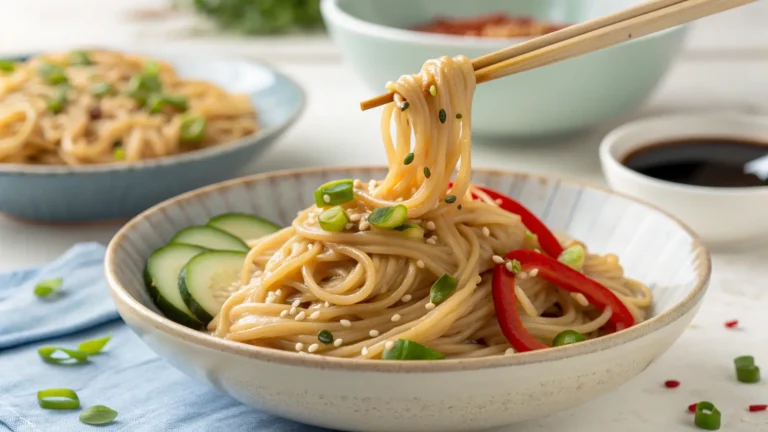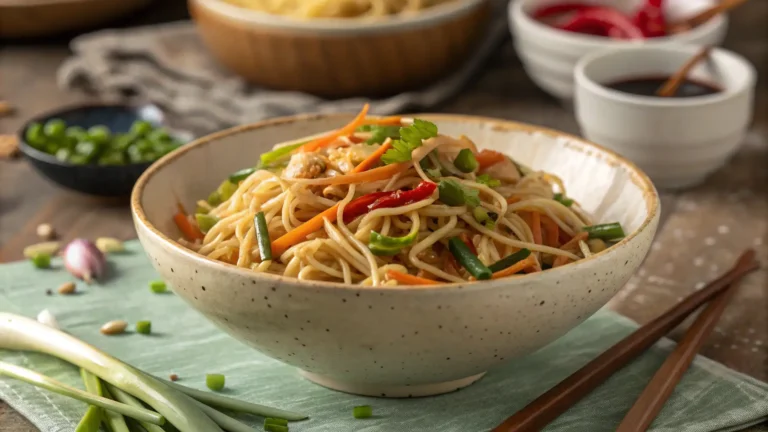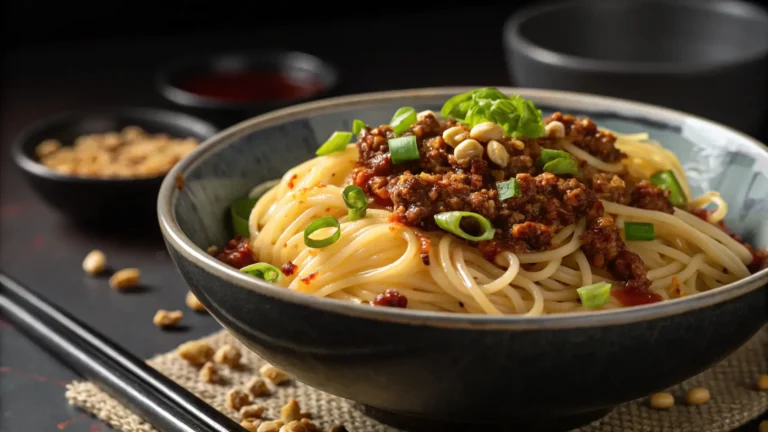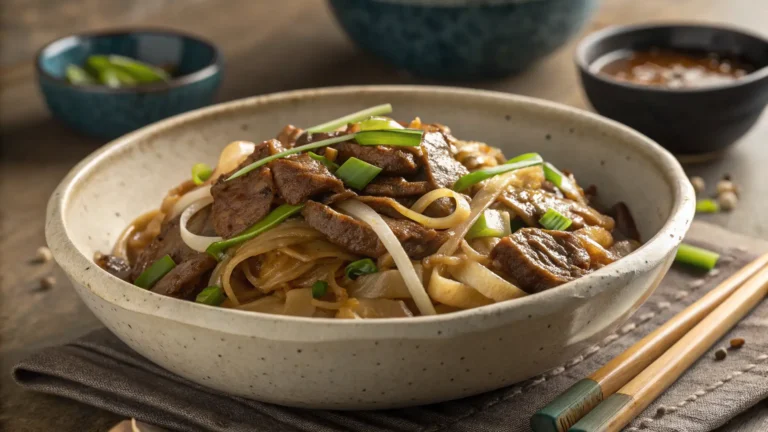
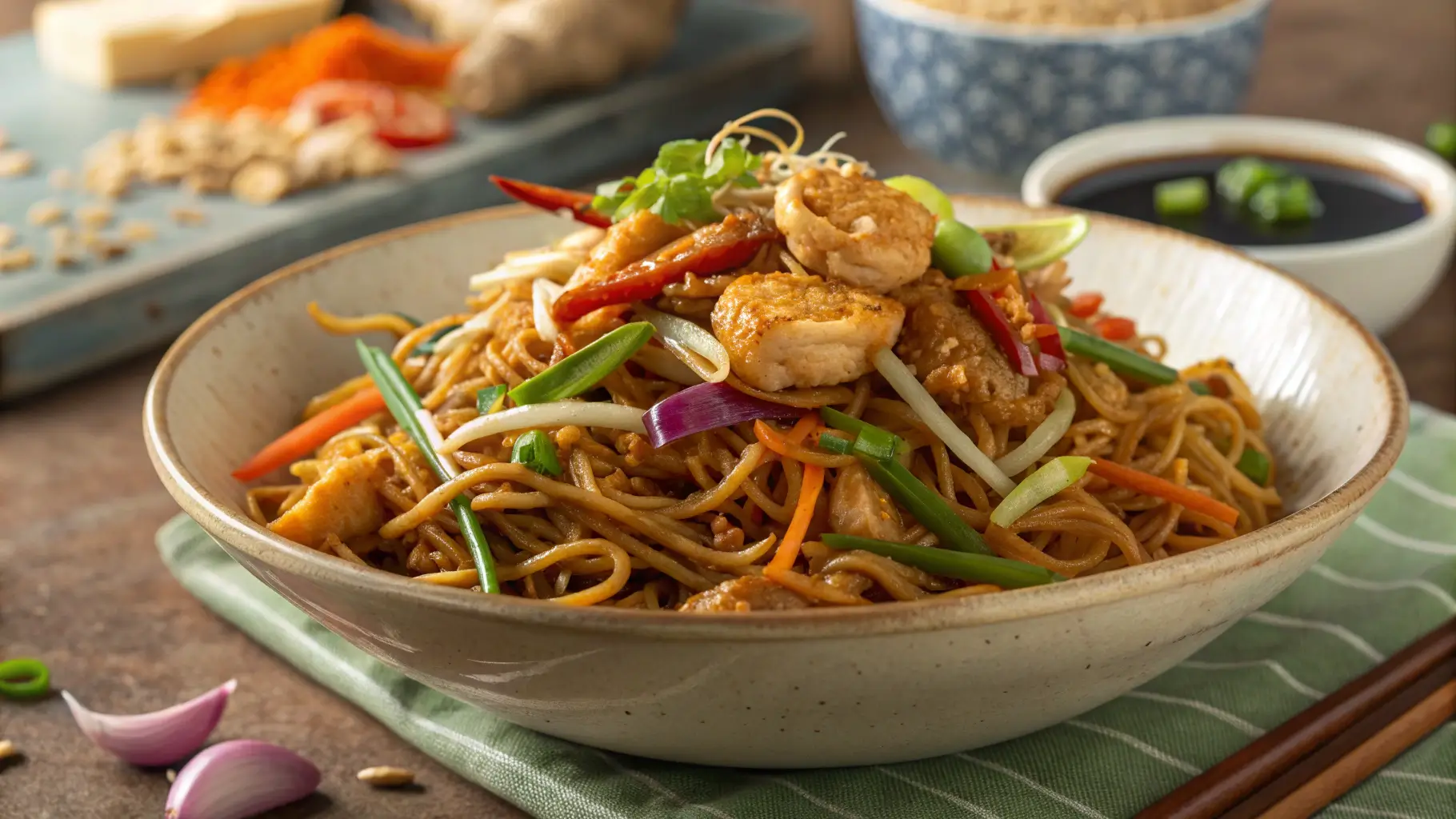
Crispy Chow Mein Recipe – Restaurant-Style Noodles at Home
There’s something utterly satisfying about a plate of crispy chow mein with its golden, crunchy noodles topped with tender vegetables and savory sauce. This beloved Chinese-American dish features pan-fried noodles that deliver the perfect contrast of textures—crispy on the outside, soft on the inside—all dressed in a delicious umami-rich sauce. Whether you’re craving takeout or want to impress your family with homemade Chinese food, this crispy chow mein recipe brings restaurant-quality results straight to your kitchen. The best part? It’s surprisingly easy to make and ready in just 30 minutes!
Crispy chow mein differs from soft chow mein by the cooking method—the noodles are pan-fried until they develop a delightfully crunchy exterior while maintaining a tender center. This technique creates layers of texture that make every bite exciting. Popular in Chinese-American restaurants, this dish has become a comfort food favorite for its satisfying crunch and customizable toppings.
Why You’ll Love This Recipe
- Restaurant texture at home – Achieve that perfect crispy-tender noodle texture without a professional wok
- Quick weeknight dinner – Ready in 30 minutes from start to finish, faster than delivery
- Highly customizable – Use your favorite vegetables, proteins, or keep it vegetarian
- Budget-friendly – Uses simple, affordable ingredients you can find at any grocery store
- Better than takeout – Control the sodium, freshness, and quality of every ingredient
Ingredients
For the Noodles:
- 12 oz fresh or dried chow mein noodles (or thin egg noodles)
- 3 tablespoons vegetable oil (divided)
- 1 teaspoon sesame oil
For the Vegetables:
- 1 cup shredded cabbage
- 1 medium carrot, julienned
- ½ cup sliced bell peppers (red or green)
- ½ cup bean sprouts
- 3 green onions, cut into 2-inch pieces
- 2 cloves garlic, minced
- 1 teaspoon fresh ginger, minced
For the Sauce:
- 3 tablespoons soy sauce (or low-sodium soy sauce)
- 1 tablespoon oyster sauce
- 1 tablespoon dark soy sauce (for color)
- 1 teaspoon sugar
- 2 teaspoons cornstarch
- ¼ cup chicken or vegetable broth
- ½ teaspoon white pepper
Optional Protein:
- 8 oz chicken, shrimp, beef, or tofu, sliced into bite-sized pieces
Substitutions: Can’t find chow mein noodles? Use lo mein noodles, spaghetti, or even ramen noodles. For gluten-free crispy chow mein, use rice noodles or gluten-free pasta.
How to Make Crispy Chow Mein
Step 1: Cook the Noodles
Bring a large pot of water to boil. Cook the chow mein noodles according to package directions (usually 3-4 minutes for fresh, 6-8 for dried). Drain thoroughly and rinse with cold water to stop the cooking process. Toss with 1 teaspoon of sesame oil to prevent sticking. Spread noodles on a clean kitchen towel to remove excess moisture—this is crucial for achieving crispiness.
Step 2: Prepare the Sauce
While noodles drain, whisk together soy sauce, oyster sauce, dark soy sauce, sugar, cornstarch, broth, and white pepper in a small bowl. Set aside. Having your sauce ready ensures quick cooking once you start stir-frying.
Step 3: Create the Crispy Noodle Base
Heat 2 tablespoons of vegetable oil in a large non-stick skillet or wok over medium-high heat. Once the oil shimmers, add the noodles in an even layer, pressing them down gently with a spatula. Let them cook undisturbed for 4-5 minutes until the bottom turns golden brown and crispy. Carefully flip the noodle pancake (or flip in sections) and cook the other side for another 3-4 minutes. Transfer the crispy noodles to a serving plate.
Step 4: Stir-Fry the Vegetables (and Protein)
In the same pan, add the remaining 1 tablespoon of oil. If using protein, cook it first until done, then set aside. Add garlic and ginger, stir-frying for 30 seconds until fragrant. Add carrots and bell peppers, stir-frying for 2 minutes. Add cabbage and cook for another 2 minutes. Finally, add bean sprouts and green onions, cooking for 1 minute.
Step 5: Combine and Serve
Give the sauce a quick stir (the cornstarch settles), then pour it over the vegetables. Toss everything together until the sauce thickens and coats the vegetables, about 1 minute. If you cooked protein separately, add it back now. Spoon the vegetable mixture over the crispy noodles and serve immediately while the noodles are still crunchy.
Pro Tip: For extra-crispy noodles, use a well-seasoned cast iron skillet and don’t overcrowd the pan. The key is letting the noodles sit undisturbed to develop that golden crust.
Recipe Tips & Variations
Protein Options: Add cooked chicken, beef, shrimp, pork, or crispy tofu. Season your protein with a little soy sauce and cornstarch before cooking for tender, flavorful results.
Vegetable Variations: Try snow peas, bok choy, mushrooms, broccoli, or water chestnuts. Use whatever vegetables you have on hand—chow mein is very forgiving.
Spice It Up: Add sliced jalapeños, chili oil, or sriracha to the sauce for a spicy kick. Red pepper flakes work beautifully too.
Singapore-Style: Add curry powder to the sauce and include shrimp for a Singapore-style crispy noodle dish.
Make It Healthier: Increase the vegetable-to-noodle ratio, use whole wheat noodles, and choose low-sodium soy sauce.
Sauce Adjustments: For a sweeter version, add 1 tablespoon of hoisin sauce. For more depth, add a splash of Shaoxing wine or rice vinegar.
Serving Suggestions
Serve your crispy chow mein as a main course for lunch or dinner. It pairs beautifully with:
- Hot and sour soup or egg drop soup as a starter
- Spring rolls or pot stickers as appetizers
- Steamed dumplings on the side
- A simple cucumber salad for freshness
- Iced jasmine tea or hot green tea
For a complete Chinese feast, serve alongside orange chicken, sweet and sour pork, or Mongolian beef. The crispy noodles also make an excellent side dish for sharing family-style.
Presentation Tip: Garnish with extra sliced green onions, toasted sesame seeds, or a drizzle of chili oil for visual appeal and added flavor.
Storage & Freezing Instructions
Room Temperature: Crispy chow mein is best enjoyed immediately while the noodles retain their crunch. However, leftovers can sit at room temperature for up to 2 hours.
Refrigerator: Store in an airtight container for up to 3 days. Note that the noodles will lose their crispiness but will still taste delicious. To reheat, use a hot skillet over medium-high heat to re-crisp the noodles, adding a small splash of oil if needed. Avoid microwaving as it makes noodles soggy.
Freezer: While technically possible, freezing is not recommended for crispy chow mein as the texture significantly deteriorates. If you must freeze, store the noodles and vegetable topping separately for up to 1 month. Thaw in the refrigerator and re-crisp in a hot skillet.
Make-Ahead Tip: You can prep all your vegetables and protein in advance and store them in the refrigerator. Cook the noodles and sauce fresh for best results.
Nutrition Information
Approximate per serving (serves 4):
- Calories: 320
- Protein: 10g
- Carbohydrates: 45g
- Fat: 11g
- Fiber: 3g
- Sodium: 780mg
Note: Nutrition varies based on noodle type, oil used, and additions. Add protein for higher protein content.
Conclusion
This crispy chow mein recipe proves that restaurant-quality Chinese food is absolutely achievable at home! With its irresistible combination of crunchy noodles, crisp-tender vegetables, and savory sauce, this dish delivers on both flavor and texture. The beauty of chow mein lies in its versatility—customize it with your favorite vegetables and proteins to make it uniquely yours.
Once you master the technique of creating that perfect crispy noodle base, you’ll find yourself making this satisfying dish again and again. It’s perfect for weeknight dinners, meal prep, or when you’re craving takeout but want something fresher and healthier.
Have you tried making crispy chow mein at home? I’d love to hear about your favorite variations and tips! Drop a comment below, rate this recipe, and share your delicious results. Don’t forget to tag your crispy noodle creations on social media—I can’t wait to see them!
Frequently Asked Questions (FAQs)
Can I use different types of noodles for crispy chow mein?
Yes! While traditional chow mein noodles work best, you can substitute with lo mein noodles, yakisoba noodles, thin spaghetti, or even ramen noodles (discard the seasoning packet). For gluten-free crispy chow mein, use rice noodles or gluten-free pasta. The key is to cook them until just tender, drain well, and dry thoroughly before pan-frying to achieve maximum crispiness.
Can I make crispy chow mein ahead of time?
You can prep components ahead, but the dish is best served fresh. Chop all vegetables, cook any protein, and prepare the sauce up to 24 hours in advance, storing everything separately in the refrigerator. Cook and crisp the noodles just before serving for optimal texture. If you must make it completely ahead, store noodles and toppings separately and re-crisp the noodles in a hot skillet before serving.
How do I get my chow mein noodles extra crispy?
The secret to super crispy noodles is removing as much moisture as possible before frying. After boiling and draining, spread noodles on a clean kitchen towel and pat dry. Use a well-heated pan with enough oil (but not swimming in it), and resist the urge to move the noodles around—let them sit undisturbed for 4-5 minutes to develop a golden crust. A non-stick or well-seasoned cast iron skillet works best.
What vegetables work best in crispy chow mein?
Traditional vegetables include cabbage, carrots, bean sprouts, and green onions, but chow mein is incredibly versatile. Try bok choy, snow peas, bell peppers, mushrooms, broccoli, celery, or water chestnuts. Choose a mix of textures and colors for visual appeal. Cut vegetables uniformly for even cooking, and add firmer vegetables first, saving delicate ones like bean sprouts for the end.
Why did my chow mein turn out soggy instead of crispy?
Soggy noodles usually result from excess moisture. Make sure to thoroughly drain and dry your noodles after boiling. Don’t skip the drying step—pat them with paper towels or a clean kitchen towel. Also ensure your pan is hot enough before adding noodles, use sufficient oil, and avoid moving the noodles too much while they crisp. Finally, add the sauce-coated vegetables on top rather than mixing everything together, which preserves the crispy bottom layer.
Can I make crispy chow mein vegetarian or vegan?
Absolutely! Simply omit any meat and use vegetable broth instead of chicken broth. For vegan crispy chow mein, replace oyster sauce with mushroom-based vegetarian oyster sauce or hoisin sauce. Add protein with tofu, tempeh, or edamame. Increase the variety and quantity of vegetables to make the dish more substantial. The flavors remain rich and satisfying without any animal products.