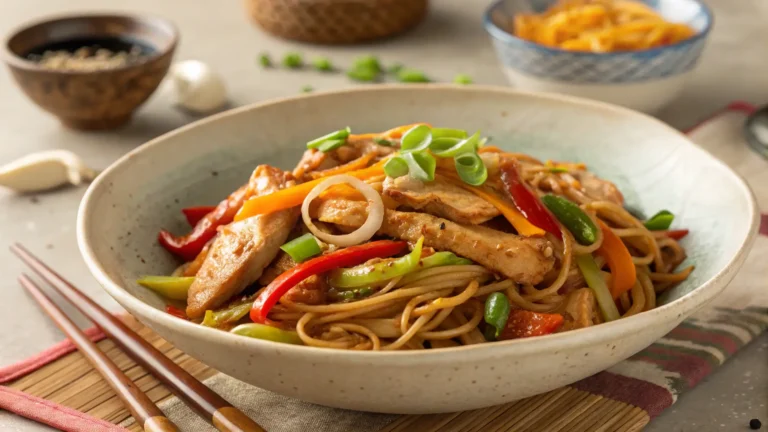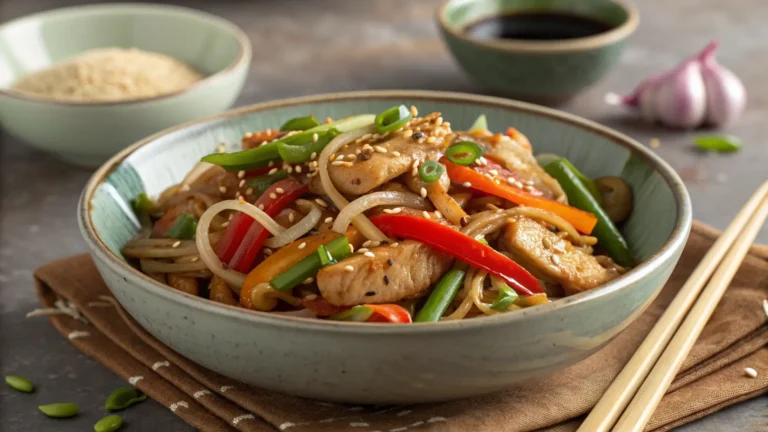
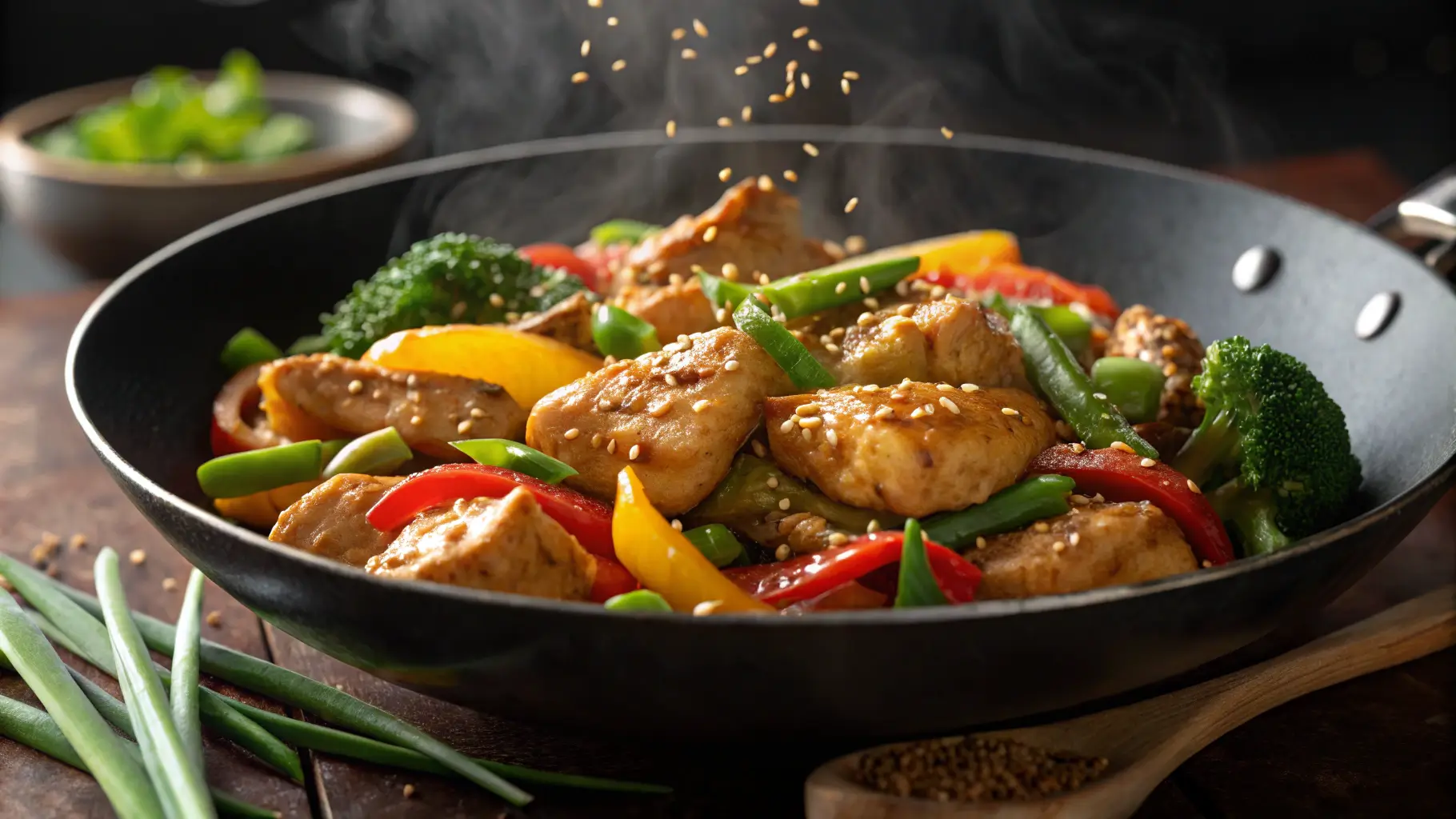
Garlic Ginger Chicken Stir Fry – Quick, Flavorful & Restaurant-Quality at Home
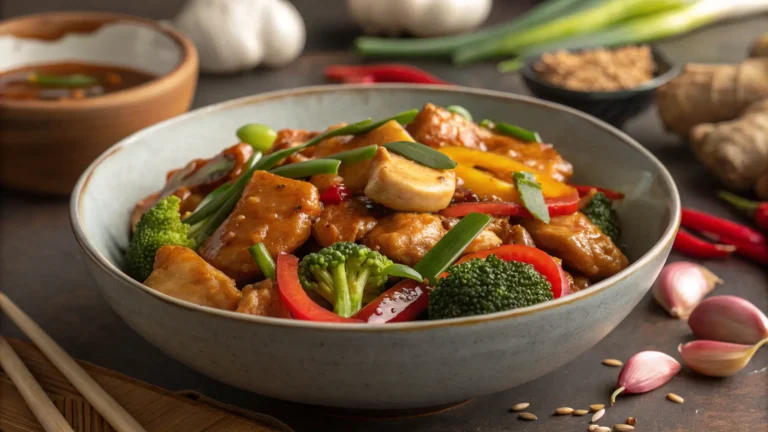
There’s something magical about a sizzling garlic ginger chicken stir fry that fills your kitchen with aromatic warmth and delivers bold, savory flavors in under 30 minutes. This easy chicken stir fry recipe combines tender pieces of chicken with vibrant vegetables, all coated in a glossy, umami-rich sauce infused with fresh garlic and ginger. Whether you’re looking for a quick weeknight dinner or a healthier alternative to takeout, this homemade chicken stir fry checks all the boxes.
The beauty of this dish lies in its simplicity and versatility. The chicken turns out perfectly tender, the vegetables maintain their crisp-tender bite, and the ginger garlic sauce creates that irresistible balance of sweet, salty, and savory that makes Asian-inspired cooking so beloved. Originally rooted in Chinese culinary traditions, stir-frying has become a global favorite for its speed, nutrition, and incredible flavor delivery. With just one pan and minimal prep, you’ll have a restaurant-quality meal that tastes like you spent hours in the kitchen.
Why You’ll Love This Garlic Ginger Chicken Stir Fry
- Lightning-fast cooking – Ready in just 25 minutes from start to finish, perfect for busy weeknights
- Bursting with fresh flavors – The aromatic combination of garlic, ginger, and soy creates an addictive savory-sweet profile
- Healthier than takeout – Control your ingredients, reduce sodium, and pack in more vegetables
- Highly customizable – Swap vegetables, adjust spice levels, or make it gluten-free with ease
- Meal prep friendly – Makes excellent leftovers and can be prepped ahead for even faster cooking
Ingredients
For the Chicken:
- 1½ pounds boneless, skinless chicken breast or thighs, cut into 1-inch pieces
- 2 tablespoons cornstarch
- 1 tablespoon soy sauce
- ½ teaspoon salt
- ¼ teaspoon black pepper
For the Stir Fry Sauce:
- ⅓ cup low-sodium soy sauce (or tamari for gluten-free)
- 3 tablespoons honey or brown sugar
- 2 tablespoons rice vinegar
- 1 tablespoon sesame oil
- 1 tablespoon cornstarch
- ¼ cup chicken broth or water
- 1 teaspoon red pepper flakes (optional, for heat)
For the Stir Fry:
- 3 tablespoons vegetable oil, divided
- 6 cloves garlic, minced
- 2 tablespoons fresh ginger, minced or grated
- 1 red bell pepper, cut into strips
- 1 yellow or orange bell pepper, cut into strips
- 2 cups broccoli florets
- 1 cup snap peas or snow peas
- 3 green onions, sliced (white and green parts separated)
- 1 tablespoon sesame seeds for garnish
- Fresh cilantro for garnish (optional)
Substitutions: Use zucchini, carrots, mushrooms, or baby corn for vegetables. Swap chicken for shrimp, tofu, or beef for protein variations.
How to Make Garlic Ginger Chicken Stir Fry
Step 1: Marinate the Chicken In a medium bowl, combine the chicken pieces with 2 tablespoons cornstarch, 1 tablespoon soy sauce, salt, and pepper. Toss until the chicken is evenly coated. Let it sit for 10-15 minutes while you prep the vegetables. This cornstarch coating creates a velvety texture and helps the sauce cling beautifully to the chicken.
Step 2: Prepare the Stir Fry Sauce In a small bowl, whisk together ⅓ cup soy sauce, honey, rice vinegar, sesame oil, cornstarch, and chicken broth until smooth. Set aside. Having your sauce ready before you start cooking is essential for successful stir-frying.
Step 3: Cook the Chicken Heat 2 tablespoons of vegetable oil in a large wok or deep skillet over medium-high heat until shimmering. Add the marinated chicken in a single layer (work in batches if needed to avoid overcrowding). Cook for 3-4 minutes without stirring to develop a golden sear, then flip and cook another 2-3 minutes until cooked through. Transfer chicken to a clean plate.
Step 4: Stir Fry the Aromatics and Vegetables Add the remaining 1 tablespoon oil to the same pan. Add minced garlic, ginger, and the white parts of the green onions. Stir-fry for 30 seconds until fragrant—be careful not to burn the garlic. Immediately add the bell peppers and broccoli. Stir-fry for 3-4 minutes until vegetables are crisp-tender. Add snap peas and cook for another 2 minutes.
Step 5: Combine and Finish Return the cooked chicken to the pan along with any accumulated juices. Give the sauce a quick stir (the cornstarch settles), then pour it over the chicken and vegetables. Toss everything together and cook for 2-3 minutes until the sauce thickens and coats everything with a glossy sheen.
Step 6: Garnish and Serve Remove from heat and stir in the green parts of the green onions. Transfer to a serving platter and garnish with sesame seeds and fresh cilantro if desired. Serve immediately over steamed rice, quinoa, or noodles.
Recipe Tips & Variations
For the Best Texture: Cut chicken into uniform pieces so they cook evenly. Don’t overcrowd your pan—this causes steaming instead of searing, resulting in less flavorful chicken.
Spice It Up: Add sriracha, chili garlic sauce, or double the red pepper flakes for a spicier version. Fresh Thai chilies also work beautifully.
Make It Gluten-Free: Use tamari instead of soy sauce and ensure your cornstarch is certified gluten-free.
Protein Swaps: This recipe works wonderfully with shrimp (cook for 2-3 minutes per side), thinly sliced beef, pork tenderloin, or firm tofu. For tofu, press it well and cube it, then pan-fry until golden before proceeding with the recipe.
Vegetable Variations: Try adding mushrooms, baby corn, water chestnuts, bok choy, or asparagus. Frozen stir-fry vegetable mixes also work in a pinch.
Sauce Adjustments: For a thicker sauce, add an extra teaspoon of cornstarch. For more tang, increase the rice vinegar. Want it sweeter? Add another tablespoon of honey.
Serving Suggestions
This garlic ginger chicken stir fry is incredibly versatile when it comes to serving options:
- Over steamed jasmine or brown rice for a traditional approach
- Tossed with rice noodles or lo mein for a complete one-dish meal
- Over cauliflower rice for a low-carb, keto-friendly option
- With a side of fried rice and egg rolls for a full Asian-inspired feast
- Wrapped in lettuce cups for a lighter, deconstructed presentation
Pair it with a crisp cucumber salad, some edamame, or a bowl of miso soup to round out the meal. A cold beer or chilled white wine complements the savory-sweet flavors beautifully.
Storage & Freezing Instructions
Refrigerator Storage: Store leftover stir fry in an airtight container in the refrigerator for up to 4 days. The flavors actually deepen overnight, making leftovers even more delicious.
Reheating: For best results, reheat in a skillet over medium heat, adding a splash of water or broth to loosen the sauce. You can also microwave in 1-minute intervals, stirring between each, until heated through. Avoid overcooking or the vegetables will become mushy.
Freezing: While stir fry can be frozen, the vegetables may lose some of their crisp texture. If you plan to freeze, slightly undercook the vegetables. Freeze in airtight containers for up to 2 months. Thaw overnight in the refrigerator before reheating.
Meal Prep Tip: Prep all your ingredients on Sunday—marinate the chicken, chop vegetables, and mix the sauce. Store everything separately in the fridge. When you’re ready to cook, the actual cooking time is only 10-12 minutes!
Nutrition Information
Per Serving (based on 4 servings):
- Calories: 385
- Protein: 38g
- Carbohydrates: 28g
- Fat: 14g
- Fiber: 3g
- Sugar: 15g
- Sodium: 980mg
Note: Nutritional values are approximate and will vary based on specific ingredients used and portion sizes.
Conclusion
This garlic ginger chicken stir fry proves that healthy, homemade meals don’t have to be complicated or time-consuming. With its perfect balance of tender chicken, crisp vegetables, and that irresistible aromatic sauce, it’s destined to become a regular in your dinner rotation. The best part? You can customize it endlessly to suit your taste preferences and whatever vegetables you have on hand.
Give this recipe a try tonight and experience just how easy it is to create restaurant-quality stir fry in your own kitchen. I’d love to hear how it turns out for you! Leave a comment below with your favorite vegetable combinations or any creative twists you tried. Don’t forget to share this recipe with friends who are always looking for quick, delicious dinner ideas.
Happy cooking, and enjoy every flavorful bite!
Frequently Asked Questions (FAQs)
Can I use different vegetables in this stir fry?
Absolutely! Stir fry is incredibly flexible. Try mushrooms, zucchini, baby corn, carrots, bok choy, asparagus, or water chestnuts. Just remember that denser vegetables like carrots should be sliced thinly or blanched briefly so they cook in the same time as other vegetables. Leafy greens like spinach or bok choy should be added in the last minute of cooking.
Can I make this garlic ginger chicken stir fry ahead of time?
Yes! For meal prep, you can marinate the chicken, chop all vegetables, and prepare the sauce up to 2 days in advance. Store everything separately in airtight containers in the refrigerator. When ready to cook, the actual stir-frying takes only 10-12 minutes. Alternatively, cook the entire dish and store for up to 4 days, reheating portions as needed.
How do I know when the chicken is fully cooked?
Chicken is safely cooked when it reaches an internal temperature of 165°F (74°C). Visually, the chicken should be opaque throughout with no pink remaining in the center. If you cut into a piece, the juices should run clear. Using an instant-read thermometer is the most reliable method, especially when you’re cooking small pieces in a stir fry.
Can I make this recipe in a regular skillet instead of a wok?
Definitely! While a wok is traditional and provides excellent heat distribution, a large (12-inch) deep skillet or sauté pan works perfectly well. The key is using a pan large enough that ingredients aren’t overcrowded, which would cause them to steam rather than sear. Cook in batches if your pan is smaller to maintain that high-heat sear that makes stir fry so delicious.
Why is my stir fry sauce too thin or too thick?
If your sauce is too thin, you likely didn’t whisk the cornstarch well enough before adding it to the pan, or you added too much liquid. To fix thin sauce, mix 1 teaspoon cornstarch with 1 tablespoon cold water, add to the pan, and cook for another minute. If it’s too thick, simply add a tablespoon of water or broth at a time until you reach the desired consistency.
Can I reduce the sodium in this recipe?
Yes! Use low-sodium soy sauce or reduce the amount to ¼ cup and supplement with additional chicken broth. You can also use coconut aminos as a lower-sodium alternative to soy sauce. Keep in mind that reducing sodium may also reduce overall flavor intensity, so you might want to add a bit more ginger, garlic, or a squeeze of fresh lime juice to compensate.