Easy Sesame Noodles – Quick, Savory & Restaurant-Style at Home
There’s something incredibly satisfying about twirling perfectly coated sesame noodles around your fork and taking that first savory, nutty bite. These easy sesame noodles are a weeknight dinner hero—ready in just 15 minutes with a glossy, garlicky sauce that clings to every strand. Whether you’re craving a quick lunch, need a crowd-pleasing side dish, or want to meal prep for the week ahead, this homemade sesame noodle recipe delivers bold flavor with minimal effort.
Originating from Chinese cuisine, cold sesame noodles have become a beloved staple in Asian restaurants and home kitchens worldwide. The combination of toasted sesame oil, soy sauce, and a hint of sweetness creates a sauce that’s both comforting and utterly addictive. Unlike heavy pasta dishes, these noodles are light yet satisfying, with a silky texture that makes them perfect for warm weather or anytime you want something deliciously different.
Why You’ll Love This Sesame Noodles Recipe
- Lightning fast – Ready in 15 minutes from start to finish, perfect for busy weeknights
- Incredibly versatile – Serve cold as a refreshing salad or warm as a comforting main dish
- Pantry-friendly ingredients – Made with common Asian condiments you likely already have
- Meal prep champion – Tastes even better the next day as flavors meld together
- Customizable – Easily adjust spice levels and add your favorite proteins or vegetables
Ingredients
For the Noodles:
- 12 oz dried noodles (spaghetti, linguine, lo mein, or udon noodles)
- 1 tablespoon sesame oil (for tossing)
- 2 tablespoons toasted sesame seeds, divided
For the Sesame Sauce:
- ¼ cup creamy peanut butter or tahini
- 3 tablespoons soy sauce (or tamari for gluten-free)
- 2 tablespoons rice vinegar
- 2 tablespoons toasted sesame oil
- 1 tablespoon honey or maple syrup
- 2 cloves garlic, minced
- 1 teaspoon fresh ginger, grated
- 1–2 teaspoons chili oil or sriracha (adjust to taste)
- 2–3 tablespoons warm water (to thin)
Optional Add-Ins:
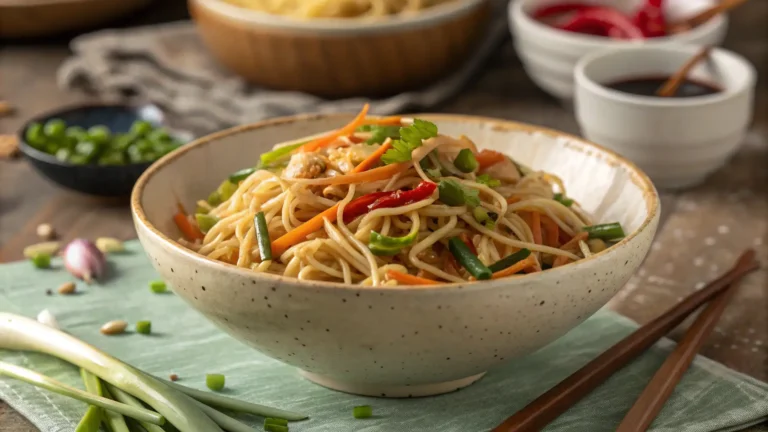
- 3 green onions, thinly sliced
- 1 medium cucumber, julienned
- 1 red bell pepper, thinly sliced
- Shredded carrots
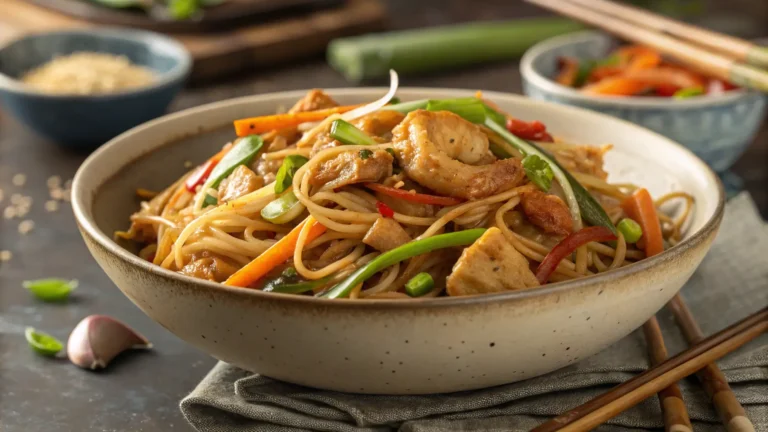
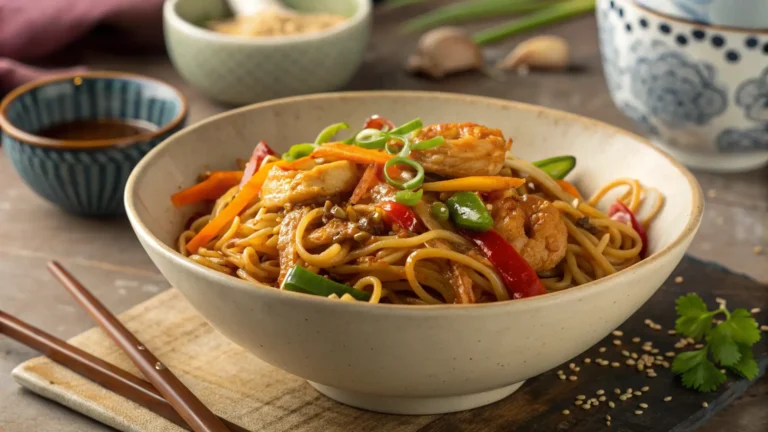
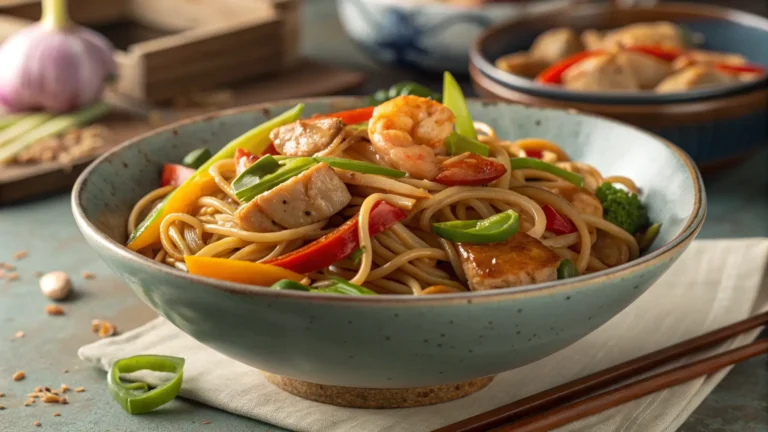
- Cooked chicken, shrimp, or tofu
How to Make Sesame Noodles
Step 1: Cook the Noodles Bring a large pot of salted water to a rolling boil. Add your noodles and cook according to package directions until al dente. For spaghetti or linguine, this typically takes 8–10 minutes. Drain the noodles in a colander and immediately rinse under cold running water to stop the cooking process and remove excess starch. This keeps your sesame noodles from becoming gummy. Toss the drained noodles with 1 tablespoon of sesame oil to prevent sticking.
Step 2: Prepare the Sesame Sauce While the noodles cook, whisk together the peanut butter (or tahini), soy sauce, rice vinegar, toasted sesame oil, honey, minced garlic, grated ginger, and chili oil in a medium bowl. The mixture will be thick at first. Gradually add warm water, one tablespoon at a time, whisking continuously until you achieve a smooth, pourable consistency. The sauce should coat the back of a spoon but still be fluid enough to toss with noodles. Taste and adjust seasonings—add more soy sauce for saltiness, honey for sweetness, or chili oil for heat.
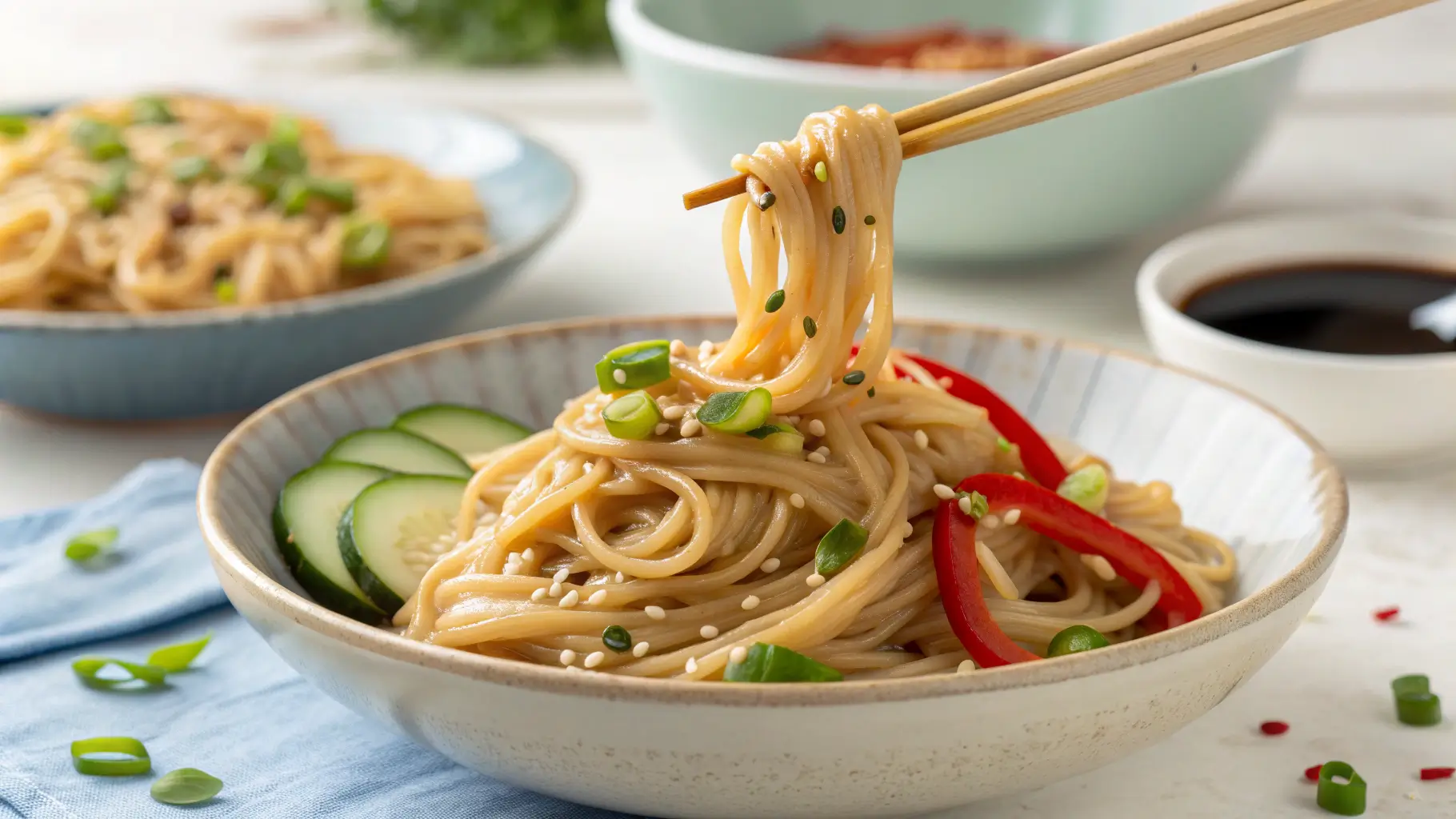
Step 3: Combine Noodles and Sauce Transfer the cooled noodles to a large mixing bowl. Pour the sesame sauce over the noodles and use tongs or two large forks to toss everything together thoroughly. Make sure every strand is evenly coated with that glossy, nutty sauce. The noodles should glisten beautifully.
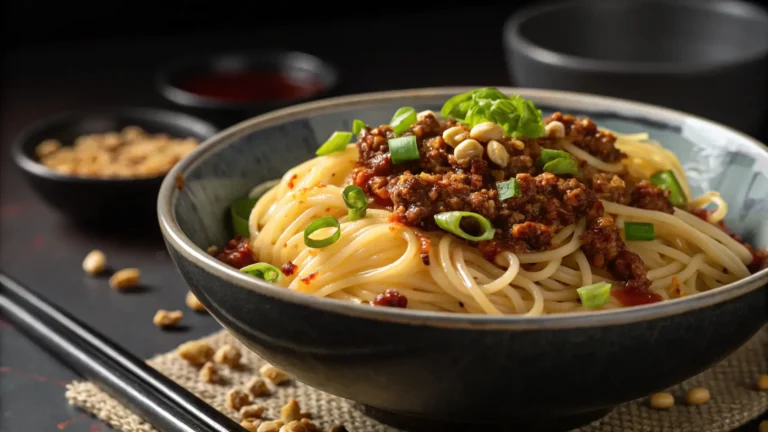
Step 4: Add Toppings and Serve Sprinkle with toasted sesame seeds and sliced green onions. If using additional vegetables or proteins, fold them in now or arrange them attractively on top. For cold sesame noodles, refrigerate for at least 30 minutes before serving to let flavors develop. For warm noodles, serve immediately and enjoy!
Recipe Tips & Variations
Noodle Selection: While traditional Chinese sesame noodles use wheat-based lo mein or egg noodles, this recipe is incredibly flexible. Spaghetti and linguine work beautifully and are often easier to find. For a gluten-free version, use rice noodles or gluten-free pasta. Thick udon noodles create a heartier, more substantial dish.
Sauce Consistency: The key to perfect sesame noodles is achieving the right sauce thickness. Start with less water and add more as needed. The sauce will thicken slightly when refrigerated, so err on the side of slightly thinner if serving cold.
Protein Boost: Transform these noodles into a complete meal by adding grilled chicken, pan-seared shrimp, crispy tofu, or edamame. For best results, season and cook your protein separately, then add it to the dressed noodles.
Spice Level: Control the heat by adjusting the chili oil or sriracha. For a mild version, omit entirely. For serious spice lovers, add Sichuan peppercorns or red pepper flakes for an extra kick.
Nut-Free Option: Substitute sunflower seed butter for peanut butter, or use tahini (sesame paste) for an authentic, nut-free sesame flavor that’s even more traditional.
Fresh Herb Additions: Cilantro, Thai basil, or mint add a bright, fresh dimension to these noodles. Add just before serving to preserve their vibrant color and flavor.
Serving Suggestions
These versatile Asian sesame noodles shine in many serving scenarios:
As a Cold Noodle Salad: Perfect for potlucks, picnics, and summer barbecues. The noodles actually taste better after sitting for a few hours as the flavors meld together beautifully.
As a Side Dish: Pair with grilled meats, stir-fried vegetables, or spring rolls for a complete Asian-inspired dinner spread.
Lunch Box Hero: Pack these noodles in meal prep containers with sliced cucumber, shredded carrots, and edamame for a satisfying workweek lunch that doesn’t require reheating.
Dinner Bowl: Top with your choice of protein, soft-boiled egg, and pickled vegetables for a quick, restaurant-quality dinner bowl.
Party Appetizer: Serve in small cups or Chinese take-out boxes as a fun, interactive party food that guests can eat with chopsticks.
Storage & Freezing Instructions
Refrigeration: Store sesame noodles in an airtight container in the refrigerator for up to 4–5 days. The sauce may thicken as it sits; simply toss with a splash of water or additional sesame oil before serving. These noodles are one of the rare dishes that genuinely improve overnight as flavors deepen and develop.
Freezing: While you can freeze sesame noodles for up to 2 months, the texture may change slightly upon thawing. The noodles can become softer, though the flavor remains delicious. Thaw overnight in the refrigerator and refresh with a drizzle of sesame oil and fresh toppings.
Make-Ahead Strategy: For best results with meal prep, cook noodles and prepare sauce separately. Store each in separate containers for up to 3 days, then toss together when ready to serve. This prevents the noodles from absorbing too much sauce and becoming mushy.
Reheating: If you prefer warm noodles, reheat gently in a skillet over medium-low heat with a splash of water to loosen the sauce. Microwave reheating works but can dry out the noodles, so add a tablespoon of water and cover with a damp paper towel.
Nutrition Information (Per Serving)
Based on 4 servings without additional protein
- Calories: 420
- Protein: 12g
- Carbohydrates: 52g
- Fat: 18g
- Fiber: 3g
- Sodium: 780mg
Conclusion
This easy sesame noodle recipe proves that incredible flavor doesn’t require hours in the kitchen. With just a handful of ingredients and 15 minutes, you can create restaurant-quality sesame noodles at home that rival your favorite takeout spot. The combination of nutty sesame, savory soy, and aromatic ginger creates a flavor profile that’s both comforting and exciting.
Whether you’re a college student looking for quick meals, a busy parent needing weeknight dinner solutions, or simply someone who loves good food, these noodles will quickly become a staple in your cooking rotation. The best part? Once you master the basic recipe, you can customize it endlessly to suit your preferences and what you have on hand.
Give this recipe a try and let me know in the comments how it turned out! Did you add any special ingredients? Serve it warm or cold? I’d love to hear about your sesame noodle creations. Don’t forget to rate this recipe and share it with friends who need a new go-to dinner idea!
Frequently Asked Questions (FAQs)
Can I use different types of noodles for sesame noodles?
Absolutely! While traditional Chinese sesame noodles use fresh wheat or egg noodles, you can use virtually any noodle type. Spaghetti, linguine, fettuccine, udon, soba, rice noodles, and even ramen noodles all work beautifully. For gluten-free options, rice noodles or certified gluten-free pasta are excellent choices. Thicker noodles like udon hold the sauce wonderfully and create a heartier dish, while thinner noodles like angel hair offer a more delicate experience.
Can I make sesame noodles ahead of time?
Yes! Sesame noodles are actually ideal for meal prep and often taste better the next day. You can prepare the entire dish up to 3 days in advance and store it in an airtight container in the refrigerator. For best texture, store the sauce and cooked noodles separately and toss together just before serving. If already combined, the noodles may absorb the sauce and become slightly dry—simply refresh with a drizzle of sesame oil or a tablespoon of water before serving.
How do I prevent my sesame noodles from sticking together?
The key to non-sticky noodles is rinsing them thoroughly under cold water immediately after draining to remove excess starch. Then toss the noodles with a tablespoon of sesame oil while they’re still warm. This creates a coating that prevents clumping. If storing for later, slightly undercook the noodles by 1–2 minutes, as they’ll continue to soften in the sauce. When ready to serve, toss gently to separate any noodles that may have stuck together.
Can I make this recipe without peanut butter?
Yes! For a nut-free version, substitute tahini (sesame seed paste) for the peanut butter. Tahini is actually more traditional in authentic Chinese sesame noodles and provides a deeper, nuttier sesame flavor. Sunflower seed butter works as another nut-free alternative. If you have a soy allergy, use coconut aminos instead of soy sauce and ensure all other ingredients are allergen-friendly.
Why are my sesame noodles bland or lacking flavor?
Under-seasoning is the most common issue. Always taste your sauce before adding it to the noodles and adjust the seasonings. You may need more soy sauce for saltiness, rice vinegar for tang, honey for sweetness, or chili oil for heat. Remember that cold foods require more seasoning than warm dishes, as cold temperatures dull our taste buds. If serving chilled, be generous with seasonings. Also, don’t skip the fresh garlic and ginger—these aromatics are essential for depth of flavor.
Can I add vegetables or protein to sesame noodles?
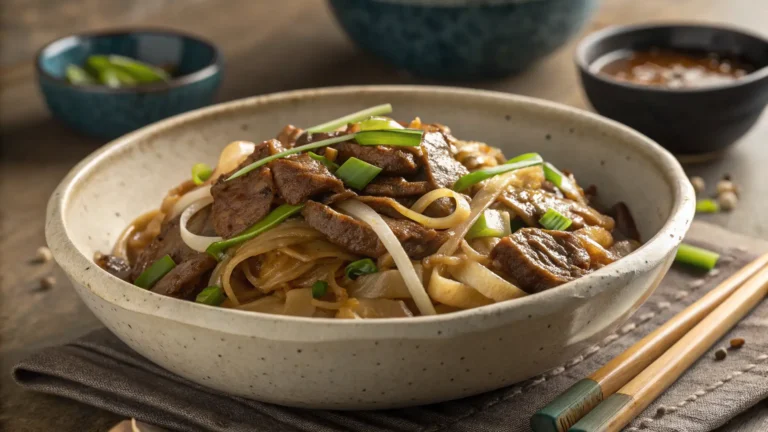
Definitely! Sesame noodles are incredibly versatile and welcome additions. Popular vegetables include julienned cucumber, shredded carrots, bell peppers, edamame, snap peas, and cabbage. For protein, try shredded rotisserie chicken, grilled shrimp, crispy tofu, or thinly sliced steak. Cook proteins separately and add them to the dressed noodles. Raw vegetables can be added directly, while harder vegetables like broccoli or snap peas should be briefly blanched for the best texture.