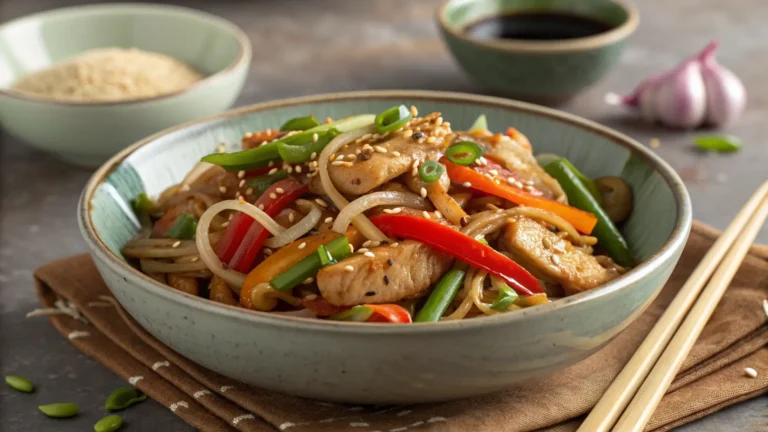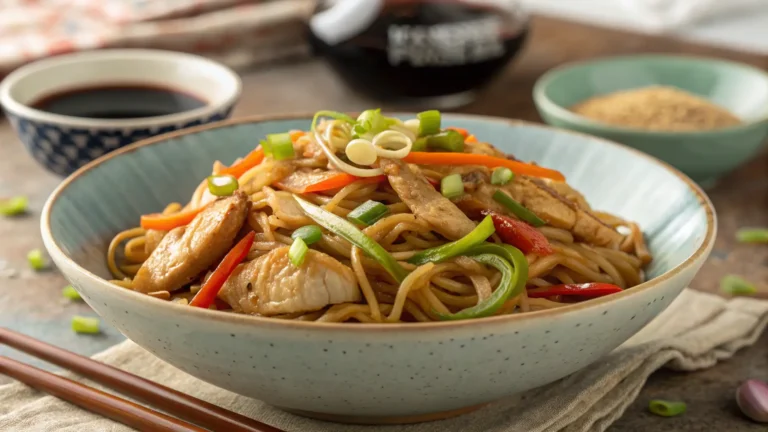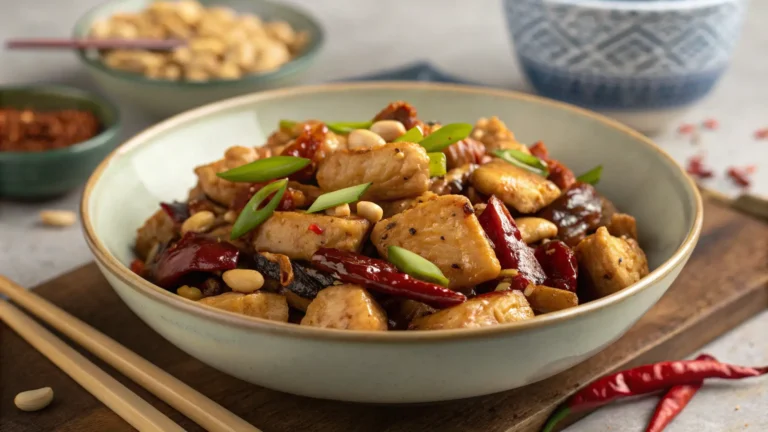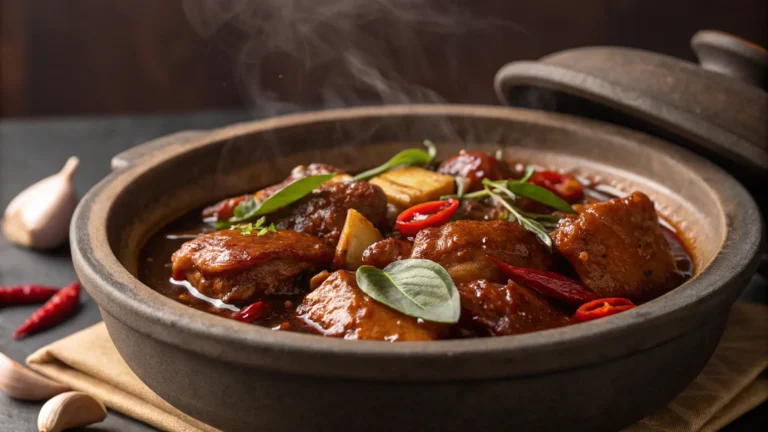
Sichuan Chicken: Fiery, Flavorful & Authentic Chinese Stir-Fry
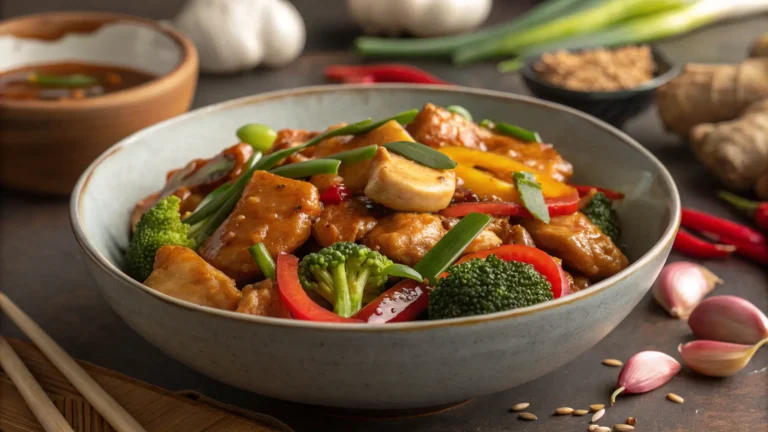
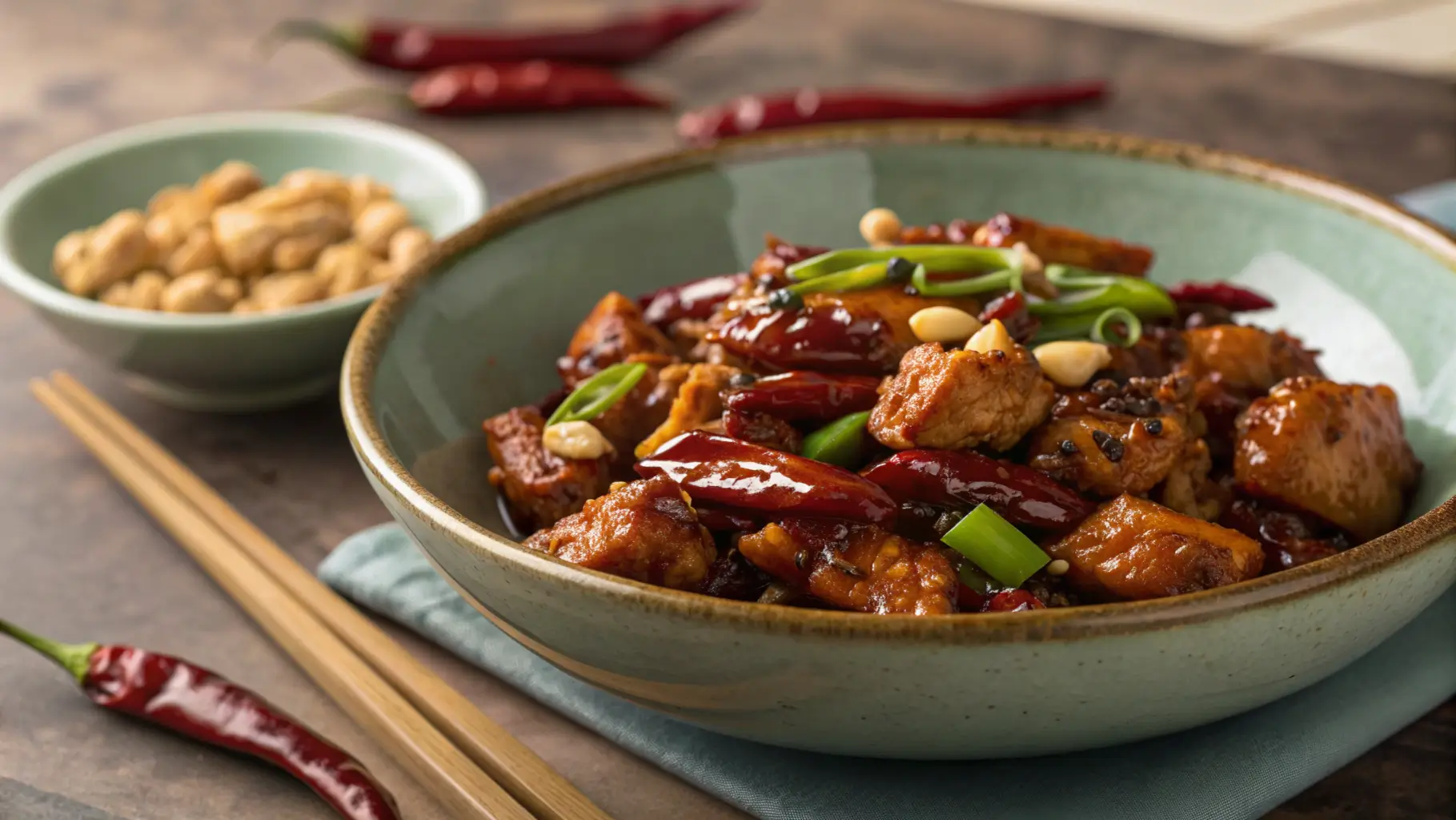
If you’ve been craving bold, tongue-tingling flavors, this Sichuan chicken recipe is exactly what you need. This iconic dish from China’s Sichuan province brings together tender chicken pieces, fiery dried chilies, numbing Sichuan peppercorns, and a savory-sweet sauce that’s absolutely addictive. Authentic Sichuan chicken stir-fry delivers that signature “málà” sensation—a unique combination of spicy heat and tingling numbness that makes Sichuan cuisine so distinctive and beloved worldwide.
Whether you’re new to Chinese cooking or a seasoned wok master, this recipe breaks down every step to help you recreate restaurant-quality spicy Sichuan chicken right in your own kitchen. The chicken stays incredibly tender, the sauce clings perfectly to every piece, and the aromatics create an irresistible fragrance that’ll have everyone rushing to the dinner table. Traditionally served with steamed rice to balance the heat, this dish is perfect for weeknight dinners, meal prep, or when you want to impress guests with your culinary skills.
Why You’ll Love This Recipe
- Explosive flavor in under 30 minutes – This quick Sichuan chicken stir-fry comes together faster than takeout delivery
- Customizable heat level – Easily adjust the spiciness to match your preference without losing authentic flavor
- Restaurant-quality results at home – Achieve that professional wok hei (breath of wok) taste with simple techniques
- Meal prep friendly – Makes excellent leftovers and tastes even better the next day
- Authentic yet accessible – Uses ingredients you can find at most Asian grocery stores or online
Ingredients
For the Chicken Marinade:
- 1½ pounds boneless, skinless chicken thighs (or chicken breast), cut into 1-inch pieces
- 2 tablespoons Shaoxing wine (or dry sherry)
- 1 tablespoon soy sauce
- 1 tablespoon cornstarch
- ½ teaspoon white pepper
For the Sichuan Sauce:
- 3 tablespoons soy sauce
- 2 tablespoons Chinese black vinegar (or rice vinegar)
- 1 tablespoon sugar
- 1 tablespoon Shaoxing wine
- 2 teaspoons sesame oil
- 1 teaspoon cornstarch
- 3 tablespoons water or chicken stock
For the Stir-Fry:
- 3 tablespoons vegetable oil (divided)
- 15-20 dried red chilies (adjust to taste)
- 2 tablespoons Sichuan peppercorns
- 4 cloves garlic, minced
- 1-inch piece fresh ginger, minced
- 4 green onions, cut into 1-inch pieces (white and green parts separated)
- 1 red bell pepper, cut into chunks (optional)
- ½ cup roasted peanuts (optional, but traditional)
- Fresh cilantro for garnish
Substitution Notes: If you can’t find chicken thighs, boneless chicken breast works well—just be careful not to overcook. For a milder version, reduce dried chilies to 8-10. Can’t find Sichuan peppercorns? The dish won’t have that signature numbing sensation, but will still be delicious and spicy.
How to Make Sichuan Chicken
Step 1: Marinate the Chicken
In a medium bowl, combine the chicken pieces with Shaoxing wine, soy sauce, cornstarch, and white pepper. Mix thoroughly until the chicken is evenly coated. Let it marinate for at least 15 minutes at room temperature, or up to 2 hours in the refrigerator. This step ensures tender, flavorful chicken that won’t dry out during stir-frying.
Step 2: Prepare the Sauce
While the chicken marinates, whisk together all sauce ingredients in a small bowl: soy sauce, black vinegar, sugar, Shaoxing wine, sesame oil, cornstarch, and water. Set aside. Having your sauce ready before you start cooking is crucial for successful stir-frying.
Step 3: Toast the Aromatics
Heat a wok or large skillet over medium heat. Add 1 tablespoon of vegetable oil, then add the dried chilies and Sichuan peppercorns. Toast for 1-2 minutes until fragrant and the chilies darken slightly—but don’t let them burn or they’ll become bitter. Remove to a plate and set aside.
Step 4: Cook the Chicken
Increase heat to high and add the remaining 2 tablespoons of oil to the wok. Once the oil is shimmering hot, add the marinated chicken in a single layer. Let it sear without moving for 1-2 minutes to get a nice golden color, then stir-fry for 3-4 minutes until the chicken is cooked through and lightly browned. Remove chicken to a plate.
Step 5: Stir-Fry the Aromatics
In the same wok, add the minced garlic, ginger, and the white parts of the green onions. Stir-fry for 30 seconds until fragrant. Add the bell pepper if using, and stir-fry for another minute.
Step 6: Combine Everything
Return the toasted chilies and peppercorns to the wok, followed by the cooked chicken. Give the sauce a quick stir (the cornstarch settles), then pour it into the wok. Toss everything together for 1-2 minutes until the sauce thickens and coats the chicken beautifully. Add the green parts of the green onions and peanuts in the last 30 seconds.
Step 7: Serve
Transfer your Sichuan spicy chicken to a serving platter, garnish with fresh cilantro, and serve immediately with steamed jasmine rice or fried rice.
Recipe Tips & Variations
Control the Heat: For a milder Sichuan chicken, remove the seeds from the dried chilies and reduce the quantity. For extra fire, add 1-2 teaspoons of chili oil or doubanjiang (Sichuan chili bean paste).
Vegetable Additions: This recipe is versatile—try adding sliced celery, baby corn, snap peas, or bamboo shoots for extra texture and nutrition.
Make It Saucy: If you prefer more sauce to mix with rice, double the sauce ingredients. The extra sauce is perfect for soaking into steamed rice.
Protein Swaps: This cooking method works beautifully with shrimp, tofu, or thinly sliced beef. Adjust cooking times accordingly—shrimp needs only 2-3 minutes.
Kung Pao Style: For a Kung Pao chicken variation, add 2 tablespoons of hoisin sauce to the sauce mixture and increase the peanuts.
Dry-Fried Version: For “dry-fried” Sichuan chicken (less saucy, more caramelized), skip the cornstarch in the sauce and cook longer to reduce the liquid.
Serving Suggestions
Sichuan chicken is traditionally served family-style as part of a multi-dish Chinese meal. Here are the best ways to enjoy it:
- With steamed jasmine rice – The classic pairing that helps balance the intense spiciness
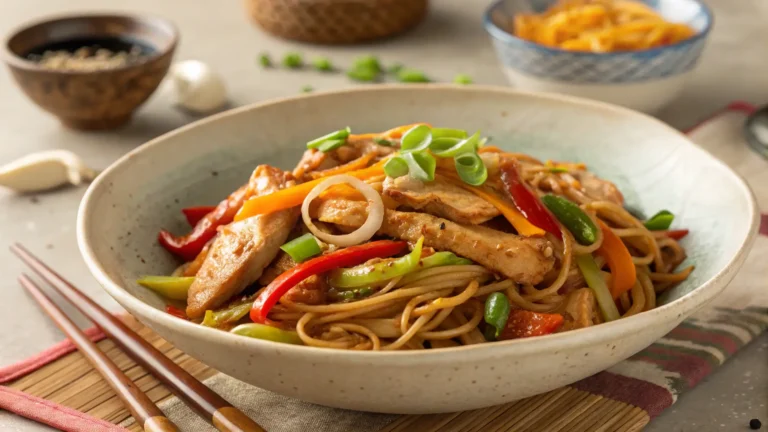
- Over fried rice or noodles – Turn it into a complete one-bowl meal
- With stir-fried vegetables – Serve alongside garlic green beans or bok choy for a balanced dinner
- Lettuce wraps – Spoon the chicken into crisp lettuce cups for a fun, interactive meal
- Cold beer or iced tea – Essential for cooling down that málà heat
Don’t forget to warn your guests about the whole dried chilies and Sichuan peppercorns—they’re meant for flavor, not eating whole!
Storage & Freezing Instructions
Refrigerator: Store leftover Sichuan chicken in an airtight container in the refrigerator for up to 4 days. The flavors actually deepen and meld overnight, making leftovers incredibly delicious.
Reheating: Reheat in a wok or skillet over medium-high heat with a splash of water or chicken stock to loosen the sauce. Microwave reheating works but won’t maintain the texture as well. For best results, reheat until piping hot and serve immediately.
Freezing: This dish freezes reasonably well for up to 2 months. Let it cool completely, then transfer to freezer-safe containers. The texture of the chicken may be slightly softer after freezing, but the flavors remain excellent. Thaw overnight in the refrigerator before reheating.
Meal Prep Tip: Prepare the marinated chicken and pre-mixed sauce up to 24 hours in advance. Store separately in the refrigerator, then cook fresh when ready to eat.
Nutrition Information
Approximate per serving (based on 4 servings):
- Calories: 380
- Protein: 32g
- Carbohydrates: 15g
- Fat: 21g
- Fiber: 2g
- Sodium: 890mg
Note: Nutrition information is approximate and will vary based on specific ingredients used and portion sizes.
Conclusion
This authentic Sichuan chicken recipe brings the bold, addictive flavors of Sichuan province straight to your kitchen. The combination of fiery chilies, numbing peppercorns, and that perfectly balanced sweet-savory sauce creates a dish that’s truly unforgettable. Whether you’re cooking for spice-loving friends or introducing your family to Chinese regional cuisine, this spicy chicken stir-fry is guaranteed to become a regular in your dinner rotation.
The best part? Once you master this technique, you can apply it to countless other Sichuan-style dishes. Don’t be intimidated by the ingredients list—once you’ve stocked up on the basics, you’ll be whipping up restaurant-quality Chinese food faster than you can order delivery.
Have you tried this recipe? I’d love to hear how it turned out! Leave a comment below with your experience, any variations you tried, or questions you might have. And if you loved this Sichuan chicken, please share it with friends who appreciate seriously good spicy food!
Frequently Asked Questions (FAQs)
Can I make Sichuan chicken less spicy?
Absolutely! Reduce the dried chilies to 6-8 pieces, and remove the seeds before using them. You can also use fewer Sichuan peppercorns (about 1 tablespoon instead of 2). The dish will still be flavorful without overwhelming heat. Remember, you can always add chili oil at the table for those who want extra spice.
What can I substitute for Sichuan peppercorns?
While nothing truly replicates that distinctive numbing sensation, you can make a delicious spicy chicken without them. Try adding a pinch of black pepper and extra ginger for aromatic complexity. The dish will be different but still tasty. Sichuan peppercorns are worth seeking out though—they’re available online and last for months in your pantry.
Can I use chicken breast instead of chicken thighs?
Yes, chicken breast works well for this recipe. Cut it into uniform 1-inch pieces and be extra careful not to overcook, as breast meat dries out faster than thighs. Consider reducing the cooking time in Step 4 by about 1 minute. The marinade with cornstarch helps keep the chicken tender regardless of which cut you choose.
How do I know if my wok is hot enough?
Your wok should be smoking slightly before you add the oil—this is key to authentic stir-fry flavor. When you add the oil, it should shimmer and flow easily across the surface. Flick a drop of water into the wok; if it evaporates immediately with a sizzle, you’re ready to cook. High heat is essential for that restaurant-quality seared flavor.
Can I make this recipe ahead of time?
While stir-fries are best served fresh, you can absolutely prep ahead. Marinate the chicken, prepare the sauce, and cut all vegetables up to 24 hours in advance. Store everything separately in the refrigerator. When ready to cook, the actual stir-frying takes less than 15 minutes. Alternatively, cook the complete dish and reheat—it actually tastes great the next day!
Why is my Sichuan chicken watery and not glossy?
This usually happens when the wok isn’t hot enough or there’s too much moisture. Make sure your wok is properly preheated and the chicken is patted dry after marinating. Don’t overcrowd the wok—cook in batches if necessary. The cornstarch in both the marinade and sauce should create that glossy, clingy coating. If your sauce seems thin, mix an additional ½ teaspoon of cornstarch with 1 tablespoon of water and add it during the final toss.